
Pruning
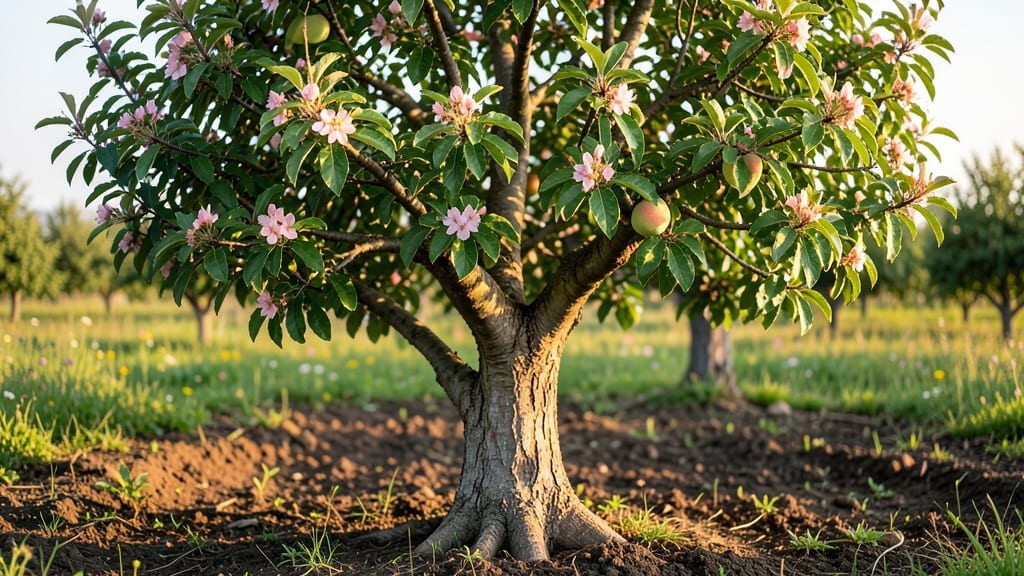
The Reliance peach tree size stays under 12 feet tall—perfect for small yards or tight spaces. 🌱 I planted mine last spring, and its compact growth habit means no need for a sprawling orchard.
The dwarf variety keeps fruit within easy reach while still producing 150-200 pounds of peaches annually. Spacing matters: give your tree 10-15 feet between neighbors to prevent overcrowding. Prune in late winter to shape the canopy and improve airflow, cutting back 20-30% of last year’s growth.
This keeps branches manageable and boosts fruit quality. By summer, you’ll see lush foliage and sweet peaches ripening on branches you can actually pick from. The tree’s manageable size means less work trimming and more time enjoying the harvest. Just avoid heavy pruning in early spring when buds are forming.
Works in USDA zones 5-9, making it versatile for home gardeners. With proper care, your Reliance peach tree will reward you for years—without taking over your yard.
📚 In This Guide
- What you need
- Instructions
- Tips and common mistakes
- Wrapping up and next steps
What you need
- ● Dwarf Reliance peach tree (5–6 ft mature height, ideal for containers or tight yards)
- ● Container or planting hole: For in-ground planting: Dig a hole twice as wide as the root ball but no deeper.
- ● For container growing: Use a 5-gallon pot or larger (minimum 18" diameter) with drainage holes.
- ● High-quality potting mix (or well-draining garden soil amended with compost)
- ● Slow-release fertilizer (10-10-10 or fruit-specific blend, 1–2 lbs per tree)
- ● Pruning tools: Bypass pruners (for small branches)
- ● Loppers (for thicker stems, if needed)
- ● Disinfectant (rubbing alcohol or bleach solution to clean tools)
- ● Mulch (2–3 inches of wood chips or straw to retain moisture)
- ○ Stakes & ties (optional but helpful for young trees in windy areas)
- ● Tree support cage (for container-grown trees to maintain shape)
- ● Drip irrigation or soaker hose (for consistent watering)
- ● Fruit thinning shears (to manage peach production in small spaces)
- ● Epsom salt (for magnesium boost, especially in acidic soils)
- ● Peach tree spray (organic or chemical, to prevent pests/diseases)
Understanding Reliance peach tree size for small gardens
Here's how to choose and care for dwarf varieties that thrive in tight spaces—without sacrificing fruit quality.
🌱 Step 1: Select the Right Dwarf Variety for Your Space
The Reliance peach tree typically grows to 12-15 feet tall when full-sized, but dwarf varieties stay between 8-10 feet—perfect for small yards or containers. Look for labels like "dwarf," "semi-dwarf," or "columnar" when shopping. I always check the graft union height at the nursery; if it's less than 3 feet from the ground, you're getting a true dwarf.
For even tighter spaces, consider the Reliance columnar variety, which grows only 6-8 feet tall but produces fruit along its entire length. These trees need 3-4 feet of space between them or from walls, while standard dwarfs need 8-10 feet. Measure your planting area before buying—you'll avoid costly mistakes by ensuring the tree fits your space now and as it matures.
☀️ Step 2: Plant in the Perfect Spot for Dwarf Growth
Dwarf peach trees need full sun—at least 6-8 hours daily—but they're more forgiving than standard trees. I plant mine where they get morning sun and afternoon shade in hot climates to prevent leaf scorch. The soil should drain well; peaches hate soggy roots, so amend heavy clay with 2-3 inches of compost before planting.
Dig a hole twice as wide as the root ball but only as deep as the container's base. This encourages roots to spread horizontally for stability. Place the tree so the graft union sits 2-3 inches above soil level—this prevents root suckers from sprouting below the graft. Water deeply right after planting to eliminate air pockets around the roots.
🪴 Step 3: Prune for Compact Shape and Maximum Fruit
Prune your Reliance peach tree annually in late winter (before buds swell) to maintain its dwarf size. Remove dead, crossing, or inward-growing branches first—these compete for energy and reduce fruit quality. For columnar varieties, prune only the top 12 inches to encourage bushiness along the main stem.
Thin fruit in late spring when peaches are 1 inch in diameter. Leave 6-8 inches between fruits on dwarf trees; overcrowding leads to small, poor-quality peaches. I always prune on a dry day to prevent disease spread—wet tools and branches create the perfect environment for fungal infections.
⏰ Step 4: Maintain Size Through Proper Care
Dwarf peach trees need regular watering—1-2 inches per week—but avoid wetting the leaves to prevent fungal diseases. Mulch with 2-3 inches of wood chips around the base (keep it 6 inches from the trunk) to retain moisture and suppress weeds. Fertilize once in early spring with a balanced 10-10-10 formula—too much nitrogen makes trees grow leaves instead of fruit.
Watch for vertical growth spurts in early summer. If your tree starts growing taller than expected, prune again to redirect energy into fruit production. Dwarf varieties are less cold-hardy than standard trees, so protect them in winter with burlap wraps if temperatures drop below 10°F. You'll see the difference in fruit quality and tree size within a season.
Tips & tricks for perfectly managing dwarf peach tree growth
Here's what I've learned after years of growing these space-saving trees—these tricks keep them compact and productive.
Variety Selection Matters: When choosing between standard dwarfs (8-10 feet) and columnar varieties (6-8 feet), consider your space constraints carefully. Columnar trees are ideal for narrow spaces like between sidewalks or along fences, while standard dwarfs give you more flexibility for shaping. I always measure my planting area first—adding a tree that outgrows its space creates headaches later. The graft union height (less than 3 feet from ground) is your guarantee of true dwarf size.
Sunlight Strategy: Those crucial 6-8 hours of full sun are non-negotiable, but placement matters just as much. I've found that morning sun with afternoon shade in hot climates prevents leaf scorch while still giving your tree enough energy. If your space only gets partial sun, consider a slightly larger container with wheels—you can move it to follow the sun's path. Just avoid reflecting surfaces like glass or metal that can concentrate heat.
Root Ball Technique: The "twice as wide, same depth" planting method isn't just about stability—it encourages horizontal root growth, which helps anchor the tree and access more nutrients. I always loosen the root ball gently before planting to prevent circling roots. For container growing, use a pot that's at least 24 inches wide and deep, with drainage holes—peach trees hate soggy roots, and containers can trap moisture.
Pruning Precision: That annual late-winter prune isn't just about size control—it's about fruit quality. When pruning columnar varieties, I only trim the top 12 inches to encourage bushiness along the main stem. For standard dwarfs, I remove any branches growing toward the center of the tree, as they'll compete for sunlight and reduce fruit production. And remember: always use clean, sharp pruners to make clean cuts that heal faster.
Pro Tips for Reliance Peach Tree Size
- Here's what I've learned after years of growing these space-saving trees—these tricks keep them compact and productive.
- Variety Selection Matters: When choosing between standard dwarfs (8-10 feet) and columnar varieties (6-8 feet), consider your space constraints carefully.
- Sunlight Strategy: Those crucial 6-8 hours of full sun are non-negotiable, but placement matters just as much.
Frequently asked questions
Got questions about managing your Reliance peach tree in tight spaces? Here are answers to the most common concerns—from size control to pruning tips—so you can keep your dwarf variety thriving without the guesswork.
How tall does a Reliance peach tree grow as a dwarf variety?
A Reliance peach tree typically reaches 8–12 feet tall at maturity, but dwarf varieties (like those grafted onto Lovell or Nemaguard rootstock) stay between 6–8 feet. With proper pruning, you can even keep it under 5 feet for small yards or containers.
When is the best time to prune a Reliance peach tree for size control?
Prune your Reliance peach tree during late winter or early spring (before buds swell) to shape it and control size. Avoid heavy pruning in summer—it can stimulate new growth that won’t harden off before winter. Light trimming after harvest (late summer) helps maintain airflow and fruit quality.
Can I grow a Reliance peach tree in a container? If so, what size pot do I need?
Yes! Dwarf Reliance peach trees thrive in 15–20 gallon containers with drainage holes. Choose a pot at least 24–30 inches wide to accommodate roots and a sturdy trellis for support. Use well-draining soil and fertilize regularly, but avoid overwatering—containers dry out faster.
Why is my Reliance peach tree growing too fast or leggy? How do I fix it?
Leggy growth often happens from over-fertilizing with nitrogen or insufficient sunlight. To fix it:
- Prune back 1/3 of new growth to encourage bushier habits.
- Reduce high-nitrogen fertilizers; switch to a balanced 10-10-10 formula.
- Ensure 6–8 hours of sunlight daily.
- Thin out crowded branches to improve airflow.
Are there smaller alternatives to the Reliance peach tree for tiny spaces?
If space is ultra-limited, consider these dwarf peach varieties:
- Bonanza: 6–8 ft tall, cold-hardy, and productive.
- Redhaven (dwarf grafted): 8–10 ft, classic flavor.
- Sanguinelle: 6–8 ft, disease-resistant with vibrant red fruit.
Wrapping up and next steps
Choosing a Reliance peach tree in its dwarf variety is a fantastic way to enjoy homegrown fruit without sacrificing space! These compact trees—typically reaching 8 to 12 feet—are perfect for small gardens, patios, or even large containers.
With the right pruning and care, you’ll not only control their size but also boost productivity and fruit quality.
Ready to get started? Plant your Reliance peach tree today and watch it thrive in your small space! For best results, pair your new tree with proper pruning techniques and regular maintenance. Happy growing! 🌱🍑