
Pruning
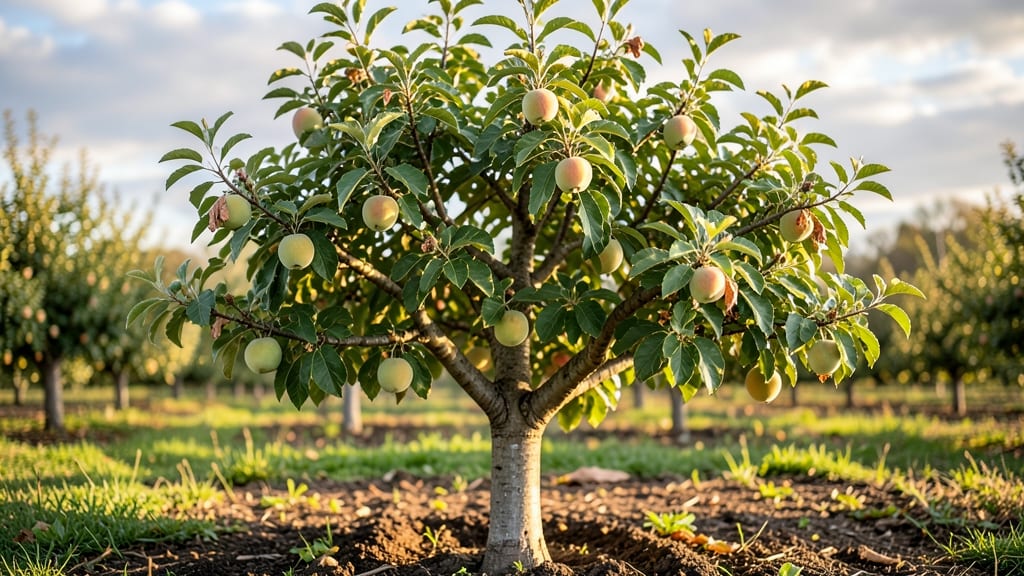
Your peach tree’s green fruit might look ripe, but it’s actually a red flag—often signaling problems like poor sunlight, nutrient imbalances, or pests that could ruin your harvest if ignored.
Imagine waiting months for sweet, juicy peaches 🍑 only to pick fruit that’s still green and tasteless. The good news? Most cases are fixable with simple adjustments to care, pruning, or even fertilizer timing.
In this guide, I’ll walk you through the most common reasons your peaches stay green—from temperature swings to overwatering—and share fast fixes to turn those underripe fruits into the harvest you planted for.
You’ll learn when to prune for better airflow, how to adjust watering in Zone 6a, and the one trick that forces fruit to ripen in just 2-3 weeks—no guesswork required.
5 Common causes of peach tree green fruit (and how to diagnose them)
Peach trees are a gardener’s pride, but when your fruit stays stubbornly green instead of ripening into sweet, juicy peaches, it’s a clear sign something’s off. Green peaches often mean your tree isn’t getting what it needs to mature properly—whether it’s sunlight, nutrients, or protection from pests.
The good news? Most issues are fixable with the right diagnosis and care. Let’s break down the top 5 causes and how to spot them early.
First, rule out the most common culprits: environmental stress, nutritional imbalances, and pest or disease interference. Each of these can leave your peaches looking fresh but failing to ripen.
For example, a nitrogen-heavy fertilizer might make leaves lush but stall fruit development, while late spring frosts can shock blossoms and prevent fruit from setting properly. The key is observing visual symptoms like fruit size, leaf color, or unusual spots.
🔍 Numbered Highlights: Diagnose Green Peach Fruit Fast
- 1. Late Spring Frost Damage: Green fruit with brown or blackened tips, often clustered near tree edges. Check for frost cracks on branches.
- 2. Poor Pollination: Small, green peaches that never grow beyond marble size. Look for few or no blossoms or missing fruit on branches.
- 3. Nitrogen Overload: Dark green leaves with tiny, hard green peaches. Soil test may show high nitrogen levels (above 0.1%).
- 4. Fungal Infections (Brown Rot): Green peaches with white mold or sunken spots. Remove infected fruit immediately to prevent spread.
- 5. Insufficient Sunlight: Pale green fruit on shady branches. Compare fruit on sunny vs. shaded sides of the tree.
🌱 Pro Tip: Snap a photo of your fruit and leaves—this helps diagnose issues faster!
Let’s start with late spring frost damage, one of the most devastating issues for peach trees. If your tree blooms early and a frost hits (common in Zone 6), the blossoms can die, leaving no fruit—or tiny, deformed green peaches.
Look for brown or blackened tips on the fruit and cracked branches. This often happens in April, so monitor weather forecasts and consider frost cloths if frost is predicted during bloom.
Next up is poor pollination, which can leave you with marble-sized green peaches that never grow. Peach trees rely on bees and wind for pollination. If your tree is isolated or bees are scarce (due to pesticide use or lack of flowers nearby), fruit may set poorly.
Check for few or no blossoms and compare your tree’s fruit production to neighbors’. Hand-pollinating with a small brush can help if bees aren’t visiting.
Over-fertilizing with nitrogen is another sneaky culprit. While nitrogen promotes leafy growth, too much can delay fruit ripening and leave you with hard, green peaches. Look for dark, glossy leaves and stunted fruit growth.
Soil testing (aim for a nitrogen level below 0.1%) and switching to a balanced 10-10-10 fertilizer can reset the balance. Apply fertilizer in early spring and after harvest, not during fruit development.
Fungal infections like brown rot can also keep peaches green by causing them to rot before ripening. Infected fruit will show white mold or sunken spots. Remove affected fruit immediately and apply a copper fungicide (like Copper Sulfate) as a preventive spray in early spring and after rain.
Prune dead branches to improve airflow, which reduces fungal spread. Sanitize pruners with rubbing alcohol between cuts to prevent cross-contamination.
Finally, insufficient sunlight is a common oversight. Peach trees need 6-8+ hours of direct sun daily to ripen fruit. If your tree is in partial shade (common in north-facing yards), fruit on shaded branches may stay green while sunny branches produce ripe peaches.
Thin nearby trees or relocate your peach tree to a sunnier spot if possible. Even dappled shade from large trees can delay ripening.
To confirm your diagnosis, compare fruit from different parts of the tree. Sunny branches should have ripe peaches, while shaded or damaged areas will reveal the issue.
Once you identify the cause, you can take targeted action—whether it’s adjusting fertilizer, pruning for better airflow, or protecting against frost. Early intervention is key to saving your harvest! 🍑
Step-by-step fixes to turn green peach fruit into ripe, juicy fruit
If your peach tree fruit stays stubbornly green instead of ripening to its full sweet potential, don’t panic—this is a fixable issue. The key lies in addressing the root cause, whether it’s nutrient imbalance, poor pollination, or environmental stress.
With the right adjustments, you can coax those peaches into ripening just in time for harvest season. Start by identifying which of these common fixes applies to your tree’s situation.
First, check your tree’s sunlight exposure. Peaches need 6-8+ hours of direct sunlight daily to ripen properly. If your tree is shaded by buildings, taller plants, or even other fruit trees, relocate it to a sunnier spot immediately.
Even partial shade can delay ripening. Once you’ve confirmed sunlight isn’t the issue, move on to assessing watering practices and soil health, which are equally critical.
🌱 Step-by-Step Fixes for Green Peach Fruit
-
Step 1: Prune for Better Airflow
Thin out dense branches to improve sunlight penetration and airflow. Remove water sprouts and crossing branches with clean, sharp pruners. Focus on the outer canopy to encourage fruit exposure. -
Step 2: Adjust Fertilizer for Balance
Switch to a low-nitrogen fertilizer (e.g., 5-10-10) to reduce leafy growth at the expense of fruit. Apply 1/2 cup per tree in early spring and again after harvest. Avoid high-nitrogen feeds, which delay ripening. -
Step 3: Hand-Pollinate if Needed
Use a soft brush to transfer pollen between flowers if bees are scarce. Focus on morning pollination when flowers are open. Plant companion trees like almonds or plums to attract pollinators naturally. -
Step 4: Mulch and Water Deeply
Add 3-4 inches of mulch around the base (avoid touching the trunk) to retain moisture. Water deeply 2-3 times per week during dry spells, ensuring the soil reaches 12 inches deep. -
Step 5: Protect from Late Frost
Cover young fruit with frost cloth if late frosts threaten. Use row covers or even old bedsheets secured with stakes. Monitor weather forecasts and act quickly—frost can halt ripening entirely. -
Step 6: Thin Fruit for Quality
Remove 50% of small fruit when they’re 1 inch in diameter to redirect energy to larger peaches. This reduces competition and speeds up ripening. Use clean pruners to avoid damaging branches. -
Step 7: Test for Pests/Diseases
Inspect for peach tree borers or brown rot fungus. Treat with neem oil for pests or copper fungicide for diseases. Remove and destroy infected fruit immediately to prevent spread.
Once you’ve implemented these steps, monitor your peaches closely. Ripening speed depends on the cultivar—some varieties like Elberta ripen faster than Redhaven—but you should see color changes within 2-4 weeks if conditions improve.
For example, if your tree was suffering from nitrogen overload, switching fertilizers alone can make a noticeable difference in just 10-14 days.
If your peaches still resist ripening after 4-6 weeks, consider harvesting early and ripening indoors. Place them in a paper bag with a banana (to release ethylene gas) and store at room temperature for 3-5 days.
This mimics natural ripening cues and can salvage your harvest even if the tree’s conditions aren’t ideal. Just be sure to check for pests or diseases before bringing fruit inside.
For next season, focus on preventative care. Test your soil’s pH (6.0-7.0 ideal) and amend with compost or lime if needed. Plant pollinator-friendly flowers nearby to ensure better fruit set. With these adjustments, your peach tree should produce juicy, ripe fruit year after year—no green surprises included! 🍑