
Pruning
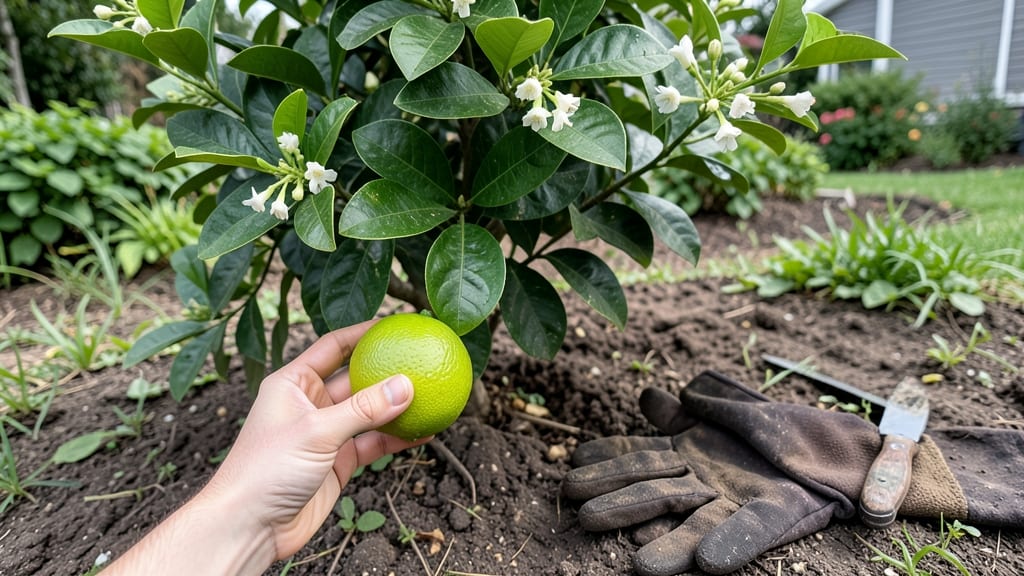
Pruning lime tree fruit isn't just about shaping branches—it's the secret to doubling your harvest every season. 🌿 I learned this the hard way after my first tree produced just a handful of limes while neighbors' trees sagged with fruit.
The difference? A strategic pruning schedule that keeps energy flowing to fruit production instead of wild, unproductive growth.
Lime trees thrive in warm climates (zones 9-11) but reward consistent care year-round.
You'll need sharp pruners, rubbing alcohol for sterilizing cuts, and a clear plan for four seasonal trims: light shaping in early spring, aggressive fruit-load pruning in late spring, summer thinning to prevent overburdening, and winter cleanup to remove dead wood.
The key lime variety needs slightly more aggressive pruning than Persian limes to maintain compact size.
What you'll end up with is a tree that produces continuous fruit waves instead of one big flush. The branches stay strong enough to support heavy crops, and the fruit develops sweeter, thicker skins.
Even in containers, properly pruned lime trees produce enough limes for fresh juice, preserves, or gifts—no more scrambling for grocery store limes that never quite taste the same.
This method works for both dwarf and standard varieties, though container-grown trees need slightly more frequent pruning. The biggest mistake? Waiting until the tree is already overloaded with fruit. Start pruning before the first flowers appear, and you'll see the difference in your harvest within a single season.
📚 In This Guide
- What you need
- Instructions
- Tips and common mistakes
- Wrapping up and next steps
What you need
- ● Pruning shears: Bypass pruners (sharp, clean, and sterilized with rubbing alcohol to prevent disease). Quantity: 1 pair.
- ● Loppers: For thicker branches (1.5"–2" diameter). Quantity: 1 pair.
- ● Hand pruners: For small branches/twigs. Quantity: 1 pair.
- ● Pruning saw: For large branches (>2" diameter). Quantity: 1.
- ● Gloves: Heavy-duty gardening gloves (cut-resistant for safety). Quantity: 1 pair.
- ● Disinfectant: 70% isopropyl alcohol or bleach solution (1 part bleach to 9 parts water). Quantity: Small spray bottle.
- ○ Pruning sealant: Optional but helpful for sealing large cuts (e.g., tree wound dressing). Quantity: Small tube.
- ● Bucket or bag: For collecting pruned branches. Quantity: 1.
- ● Ladder or step stool: If your lime tree is taller than 6 feet. Quantity: 1 (ensure it’s stable!).
- ● Sharpener: For keeping pruning tools in top shape.
- ● Marking spray: To tag branches for removal (e.g., pink spray paint).
- ● Safety glasses: Protects eyes from debris.
- ● Notebook/pencil: To jot down pruning notes or track seasonal trims.
- ● Compost bin: For repurposing pruned branches.
Step-by-Step guide to pruning your lime tree for maximum fruit
Four strategic cuts a year will transform your tree from scraggly to spectacular.
✂️ Step 1: Late Winter Cleanup (Before Bud Break)
Grab your pruners and start in late February or early March, just as buds swell but before leaves appear. This is your chance to remove dead, diseased, or crossing branches—those that rub together will scar the tree and invite rot. I always start at the bottom and work upward, cutting just outside the branch collar (that swollen area where the branch meets the trunk).
Look for branches thinner than your thumb—these won’t bear fruit and compete with stronger growth. Remove any suckers (shoots growing from the base or trunk) immediately. You’ll know you’ve done well when the tree’s central leader (main upward stem) is clearly visible and all cuts leave clean, angled surfaces. Don’t worry about removing too much—lime trees are tough and will bounce back with vibrant new growth.
☀️ Step 2: Post-Harvest Summer Pruning (June-July)
After your first flush of fruit drops in late June or early July, it’s time for a light trim. Focus on branches that grew too vigorously this season—they’ll be thinner and more flexible than the sturdy framework. Cut back these new shoots by one-third to encourage bushier growth next year. This is also when you shape the tree’s canopy to let sunlight reach the center.
I make sure to leave at least 6-8 inches of space between branches to prevent overcrowding. Remove any fruit clusters that form on branches thinner than a pencil—these won’t ripen properly. You’ll see new side shoots forming within weeks, signaling the tree is redirecting energy toward stronger, fruit-bearing wood.
🍋 Step 3: Light Fall Pruning (October-November)
In late fall, after most fruit has been harvested, give your tree a final light trim. This isn’t about heavy shaping—just removing any remaining fruit clusters (unless you want next year’s crop to start now) and any branches that look weak or diseased. Lime trees are sensitive to cold, so avoid heavy pruning this time of year. Focus on opening up the canopy to prevent winter rot.
I look for branches that grew at odd angles after summer’s growth spurt and gently guide them into a more natural shape. If you see any branches with yellowing leaves or black spots, prune those out completely. The goal here is to let the tree enter dormancy with a clean slate—no dead wood or crowded branches to stress it over winter.
⏰ Step 4: Early Spring Growth Adjustment (April)
By April, you’ll see new shoots pushing from last year’s wood. This is your last chance to adjust the tree’s shape before summer’s heat sets in. Prune any branches that grew too close together, leaving the strongest, most vigorous shoot. I always step back and look at the tree from all sides—this helps me spot areas where sunlight might get blocked.
If you notice any water sprouts (fast-growing, vertical shoots), cut them back immediately. These sap-suckers drain the tree’s energy. You’ll know you’ve nailed this step when the tree’s framework looks balanced and open, with sunlight reaching all the way to the center. This sets the stage for next year’s bumper crop.
Tips & tricks for perfect lime tree fruit pruning
Between us, these seasonal pruning tricks will turn your lime tree from a neglected corner plant into a fruit-bearing powerhouse.
The Timing Secret: Late February or early March is your golden window for Step 1 because this is when lime trees are still dormant but buds are swelling. I've seen people prune too early when buds aren't ready, and the tree just sits there looking confused. Wait until you see those tiny green swellings at the branch tips—those tell you it's time to act. This timing ensures you're not removing potential fruit-bearing wood by mistake.
Branch Size Matters: In Step 2, when you're cutting back those vigorous summer shoots by one-third, actually measure them against your thumb. Anything thinner than your thumb won't bear meaningful fruit and will just compete with stronger branches. I learned this the hard way after pruning too aggressively—my tree put all its energy into tiny, weak branches that never ripened. The pencil test for fruit clusters works too: if a branch is thinner than a pencil, those limes won't develop properly.
Fall Cleanup Strategy: During your late fall pruning (Step 3), make it a habit to examine each branch from all angles before cutting. I've found that branches growing at odd angles after summer's growth often have hidden damage or disease. Remove any with yellowing leaves or black spots completely—don't leave them thinking they'll recover. This clean slate approach prevents winter rot and gives your tree a fresh start for spring.
Spring Growth Adjustment: In Step 4, when you're dealing with those water sprouts, think of them like weeds in your garden—they're just stealing nutrients. Cut them back to where they meet the main branch, not just the tip. I've seen people hesitate to prune these because they look healthy, but they're actually draining your tree's energy that could go toward fruit production. After pruning, take that step back and squint—you should be able to see sunlight reaching all the way to the center of the canopy.
Pro Tips for Lime Tree Fruit
- Between us, these seasonal pruning tricks will turn your lime tree from a neglected corner plant into a fruit-bearing powerhouse.
- The Timing Secret: Late February or early March is your golden window for Step 1 because this is when lime trees are still dormant but buds are swelling.
- Branch Size Matters: In Step 2, when you're cutting back those vigorous summer shoots by one-third, actually measure them against your thumb.
Frequently asked questions
Got questions about lime tree fruit pruning? You’re not alone—growing and maintaining a productive lime tree takes patience and know-how! Here are answers to the most common queries to help you keep your tree thriving and loaded with delicious fruit.
When is the best time to prune a lime tree for fruit production?
The ideal time to prune is during the late winter or early spring (just before new growth starts) and again after harvest to remove dead or overcrowded branches. Avoid heavy pruning in summer—it can stress the tree and reduce fruit set. Light shaping trims in fall are also helpful!
Why isn’t my lime tree producing fruit, even after pruning?
Lime trees need a few key things: age (they often take 3–5 years to bear fruit), sunlight (6+ hours daily), proper pollination (hand-pollinate if bees are scarce), and balanced nutrients. Check for pests, overwatering, or nutrient deficiencies (like nitrogen or zinc) that could stunt growth.
Can I prune a lime tree too much? What are the signs?
Yes! Over-pruning can stress the tree, reduce fruit production, and leave it vulnerable to disease. Signs include yellowing leaves, stunted growth, or fewer blossoms. Never remove more than 25% of the canopy in one session, and avoid cutting into old wood—focus on shaping and air circulation instead.
What should I do if my lime tree’s branches are dying after pruning?
Dead or dying branches often result from poor cuts (leaving stubs) or infections. Sterilize pruners with rubbing alcohol, make clean cuts at a 45-degree angle just outside the branch collar, and avoid pruning during wet weather. If the damage is severe, apply a fungicide and monitor for pests.
Are there alternative pruning methods for dwarf lime trees vs. standard varieties?
Dwarf lime trees (like ‘Meyer’ or ‘Improved Meyer’) need lighter, more frequent pruning to maintain shape, while standard varieties can handle slightly heavier trims. For dwarfs, focus on removing only dead or crossing branches and avoid aggressive cuts—their smaller size means less recovery time!
Wrapping up and next steps
Mastering the art of lime tree fruit pruning isn’t just about shaping your tree—it’s about unlocking a year-round harvest of juicy, vibrant fruit! 🌿 By following the four seasonal trims, you’ll boost airflow, sunlight exposure, and productivity while keeping your tree healthy and thriving.
Whether you’re a beginner or a seasoned gardener, these steps make it simple to maintain your lime tree’s bounty.
Ready to take action? Grab your pruners, mark your calendar, and start trimming! With patience and care, your lime tree will reward you with delicious fruit for seasons to come. Happy pruning! 🍋✨