
Trees
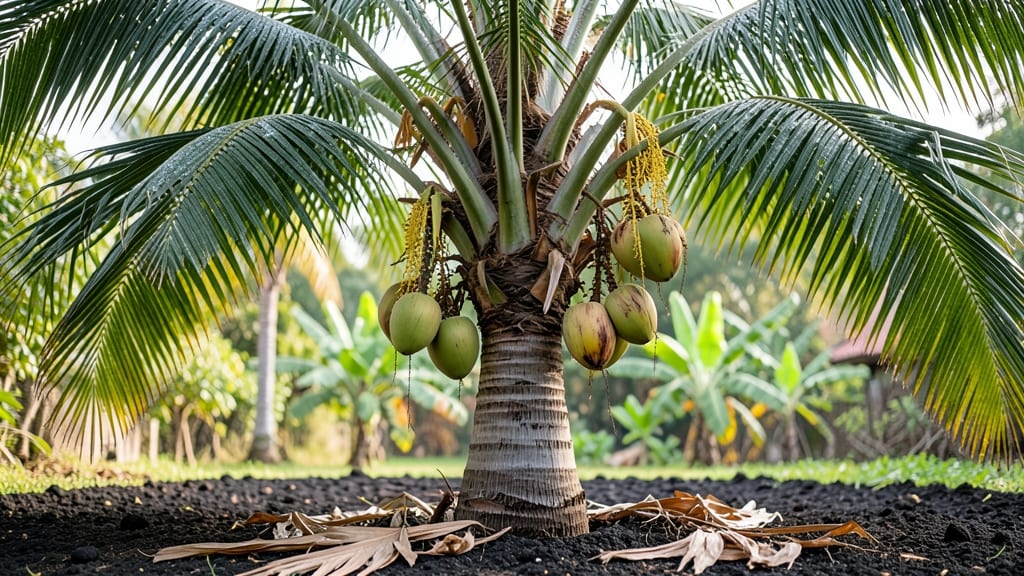
Your date palm’s fruit is developing inside the tree—but how do you harvest it without climbing a 30-foot ladder? 🌿 The secret lies in timing, tools, and a little patience to avoid damaging the tree or losing your crop to pests like weevils or rot before they ripen.
First, check for weevil damage (tiny holes in fruit) or fungal rot (soft, discolored spots). If you spot either, prune infected fruit immediately and treat with copper fungicide or neem oil.
Healthy fruit should feel firm with a slight give—like a ripe avocado—when gently squeezed. Harvest when the outer husk turns brown and splits open naturally.
Use a long-handled pruner (or pole saw) to snip the fruit stem cleanly. Let the fruit dry on the tree for 2-3 days before harvesting to prevent bruising.
Once ripe, dates store for weeks in a cool, dry place—no climbing required. The key is acting fast when you see those first brown husks appear.
This method works for Medjool, Deglet Noor, and other date palms—just adjust timing based on your climate. Warmer areas harvest earlier (late summer), while cooler zones may wait until early fall. Prevent future issues by watering deeply but infrequently and fertilizing in early spring with palm-specific nutrients.
What Triggers Fruit Growth Inside
Understanding why palm tree fruit develops inside the tree—rather than hanging freely—requires a peek into the plant’s biology and environmental cues.
While palm trees like date palms (Phoenix dactylifera) typically produce fruit on long, arching stalks, certain conditions can cause fruit to remain enclosed or grow abnormally within the tree’s structure. Here’s why it happens, broken down by the key factors at play:
Palm trees rely on wind or insect pollination to fertilize their flowers, which then develop into fruit. If pollination fails—or occurs too late in the flowering cycle—fruit may not mature properly, leading to stunted or internal growth.
- Why it happens:
- Insufficient pollinators: Bees, bats, or wind may not reach all flower clusters, especially in dense canopies or during adverse weather (e.g., heavy rain or drought).
- Timing issues: Flowers open in stages; if pollination doesn’t occur within the first 24–48 hours, the flower may abort or develop abnormally.
- Genetic quirks: Some palm varieties (like certain Phoenix species) have self-incompatibility, meaning they require cross-pollination from another tree to set fruit properly.
- Actionable fix:
- Hand-pollinate by gently transferring pollen from male to female flowers using a small brush (best done in the early morning when flowers are fresh).
- Plant companion trees to ensure cross-pollination, especially in isolated groves.
- Monitor weather patterns and protect trees from extreme conditions during flowering season (typically spring).
Palm trees are resilient, but extreme conditions can derail fruit growth, causing it to remain trapped inside the tree’s fronds or inflorescences. Stress signals the tree to prioritize survival over reproduction, leading to malformed or internal fruit.
- Why it happens:
- Water stress: Drought or overwatering can cause abscission (premature fruit drop) or stunt growth, leaving fruit lodged in the tree.
- Temperature extremes: Frost or heatwaves (above 105°F) can damage pollen or flower tissues, preventing proper fertilization.
- Nutrient deficiencies: Lack of potassium, phosphorus, or magnesium weakens the tree’s ability to support fruit development, leading to internal rot or stunted growth.
- Physical damage: Strong winds or hail can crush inflorescences, trapping developing fruit inside.
- Actionable fix:
- Mulch and drip-irrigate to maintain consistent moisture without waterlogging.
- Use shade cloth in hot climates to protect flowers from heat stress.
- Fertilize in early spring with a balanced palm fertilizer (high in potassium and magnesium).
- Prune damaged fronds post-harvest to reduce wind exposure.
Pests and pathogens can physically block fruit development or consume pollen/flowers, leading to internal fruit formation.
Common culprits include: - Palm weevils (larvae bore into inflorescences, damaging tissue). - Scale insects (sap-sucking pests that weaken the tree). - Fungal infections (e.g., Phytophthora or Fusarium) causing rot in flower clusters.
- Why it happens:
- Pests block pollen transfer: Weevils or mites may seal off flower clusters, preventing pollination.
- Disease causes necrosis: Fungal/bacterial infections kill flower tissues, leading to deformed or internal fruit.
- Secondary infections: Damaged fruit becomes a breeding ground for mold (e.g., Aspergillus), causing internal spoilage.
- Actionable fix:
- Inspect trees monthly for signs of pests (chewed fronds, sawdust-like frass).
- Apply systemic insecticides (e.g., imidacloprid) during flowering season.
- Remove infected fruit/inflorescences immediately to prevent spread.
- Improve airflow by pruning dense fronds to reduce humidity-related fungal growth.
Some palm varieties are prone to internal fruit development due to their natural growth habits.
For example: - Dwarf date palms (Phoenix roebelenii) often have shorter stalks, causing fruit to cluster tightly near the trunk. - Hybrid palms may inherit inconsistent pollination patterns, leading to irregular fruit placement.
- Why it happens:
- Short peduncles: The flower stalk is naturally stunted, keeping fruit close to the tree.
- Slow maturation: Certain varieties take longer to drop fruit, increasing the risk of it remaining enclosed.
- Actionable fix:
- Choose open-pollinated varieties (e.g., Medjool or Deglet Noor) for easier harvests.
- Thin fruit clusters manually to reduce overcrowding and improve air circulation.
- Harvest earlier (when fruit is still firm but colored) to avoid internal rot.
In some cases, physical barriers within the tree’s structure prevent fruit from hanging freely.
This is common in: - Overly dense canopies (fronds growing too close together). - Previous pruning scars (where tissue didn’t heal properly, creating pockets for fruit to lodge). - Bird or animal nests (e.g., squirrels or birds building nests in inflorescences).
- Why it happens:
- Frond overlap: Fruit gets trapped between layers, unable to elongate properly.
- Scar tissue: Old pruning wounds may weaken support structures, causing fruit to droop inward.
- Nesting activity: Animals may block fruit stalks with debris or eggs.
- Actionable fix:
- Prune strategically to create open space between fronds (avoid topping the tree).
- Remove nests gently using a long tool (e.g., grabbers or a pole) to avoid damaging the tree.
- Support heavy clusters with soft ties if needed (though palms typically don’t require this).
Internal fruit growth in palm trees is rarely a fatal flaw—it’s usually a correctable issue tied to pollination, environment, pests, or variety. By addressing these root causes, you can maximize yield and ensure fruit hangs where it’s easy to harvest (without climbing!). 🌴🔍
Fixing Common Palm Fruit Harvesting Issues
If palm tree fruit—like dates or coconuts—isn’t yielding easily or you’re struggling to access it safely, don’t worry. These practical solutions will help you harvest ripe fruit without climbing or damaging the tree.
Below, we’ve mapped common problems to their fixes, along with prevention tips to keep your palms healthy and productive.
Fix: Use tools and techniques to bring the fruit down safely.
- 🔥 Extend Your Reach with a Pole Attach a hook or grappling tool to a long pole (8–12 feet) to pull down low-hanging fruit. For coconuts, a coconut hook works best—swing it gently to dislodge the fruit without harming the tree.
- 🍳 Use a Pruning Saw or Knife (For Heavy Fruit) If fruit is too high for a pole, carefully cut the branch where it meets the trunk (about 1–2 feet from the main stem). Wear gloves and eye protection—⚠️ branches can snap unpredictably!
- 👨🍳 Set Up a Harvesting Platform For very tall palms (like coconut or oil palms), build a stable ladder or scaffolding with wide steps. Secure it to the trunk with straps to prevent wobbling.
💡 Prevention Tip: Train younger, lower branches to grow outward by tying them to stakes when they’re small. This makes future harvests easier!
Fix: Gently separate the fruit without damaging the palm.
- 🥘 Twist and Pull (For Dates) Dates often cling to their stems. Twist the fruit gently while pulling downward—this breaks the natural bond without tearing the branch.
- 🔪 Use a Sharp Knife for Stubborn Fruit If twisting doesn’t work, slide a clean, sterilized knife between the fruit and the stem, then cut the connecting tissue. Avoid sawing into the branch itself.
- ⏰ Harvest at Peak Ripeness Wait until the fruit is fully ripe (dates turn deep brown, coconuts have a hollow sound when tapped). Overripe fruit detaches more easily.
🌡️ Prevention Tip: Regularly prune dead or overcrowded fronds—this reduces competition for nutrients and makes fruit more accessible.
Fix: Protect the palm while removing fruit.
- ✨ Avoid Overloading Branches Never pull multiple coconuts or heavy bunches of dates at once—this can snap branches. Harvest one cluster at a time, working from the outer edges inward.
- 🎯 Use a Rope and Pulley System For very heavy fruit (like mature coconuts), tie a strong rope around the fruit, loop it over a branch, and lower it slowly with a pulley or your hands.
- 💪 Support the Tree After Harvesting After removing fruit, water the base deeply and apply a balanced fertilizer (high in potassium) to help the palm recover.
🔥 Prevention Tip: If your palm is young or weak, harvest only 20–30% of the fruit per season to avoid stress.
Fix: Address underlying issues before harvesting.
- 🐜 Treat for Pests (Palm Weevils, Mealybugs) If fruit is rotting or branches are dying, spray with neem oil or insecticidal soap before harvesting. For severe infestations, consult a palm care specialist.
- 🍎 Prune Infected Areas Remove blackened, mushy, or oozing fruit/branches immediately—this prevents spread. Sterilize pruning tools with rubbing alcohol between cuts.
🎯 Prevention Tip: Inspect your palm monthly for early signs of pests (sawdust-like frass, sticky residue) or fungal spots.
Final Note: With the right tools and techniques, you can harvest palm fruit safely and efficiently—no climbing required! Start with the methods that fit your palm type, and always prioritize gentle handling to keep your tree thriving for years. 🌴✨
Frequently asked questions
Why is my palm tree fruit staying inside the tree instead of hanging down?
This usually happens due to poor pollination, pest damage, or environmental stress. If flowers aren't properly fertilized (from lack of wind, bees, or bats), the fruit may develop abnormally and stay trapped. Check for weevil holes or fungal rot—both can block normal growth.
How do I tell if the fruit inside is ripe or still developing?
For dates, look for a deep brown color and a slight give when gently squeezed (like a ripe avocado). Coconuts should make a hollow sound when tapped. If the outer husk is still green or hard, the fruit needs more time—never force harvest before ripeness.
Can I safely harvest fruit without damaging the palm tree?
Yes! Use a long-handled pruner or pole saw to cut the fruit stem cleanly, about 1-2 feet from the branch. For stubborn fruit, twist gently while pulling downward. Avoid cutting into the main branch—this can weaken the tree. Always wear gloves and eye protection.
What should I do if I find weevils or rot inside the fruit?
Remove infected fruit immediately and sterilize tools with rubbing alcohol. Treat the tree with neem oil or copper fungicide to prevent spread. For severe infestations, consult a palm specialist—early action stops the problem from worsening.
How can I prevent future fruit from getting stuck inside?
Ensure proper cross-pollination by planting companion trees or hand-pollinating with a brush. Prune dead fronds to improve airflow, and fertilize in early spring with potassium-rich palm food. Regular inspections catch issues before they trap fruit.