
How To
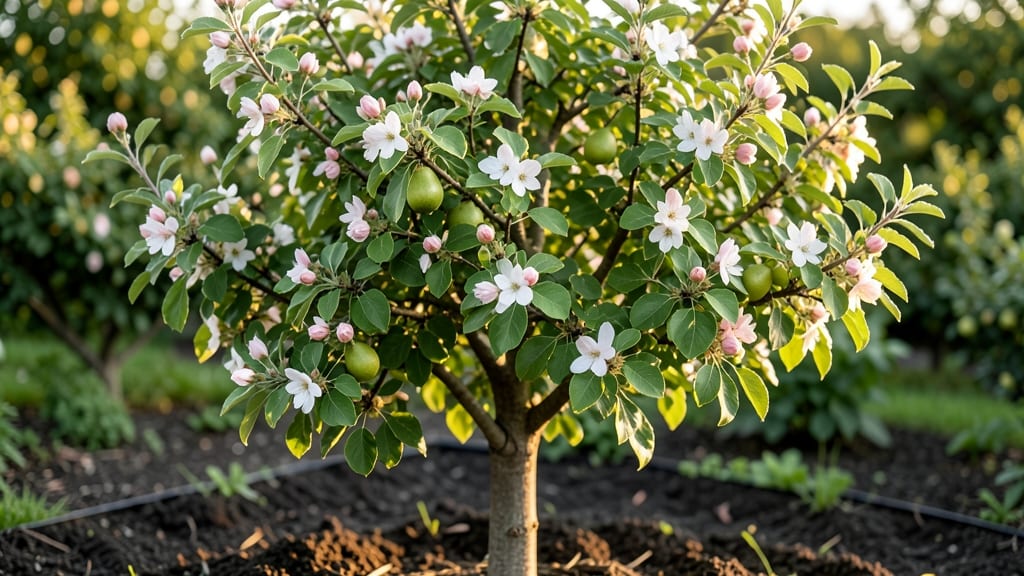
Turning pear tree blossoms into fruit requires understanding the 4 key triggers that turn those delicate flowers into juicy pears 🍐 — and many gardeners miss the mark without knowing why.
You’ve watched your tree burst into bloom, only to see most of the blossoms drop off without a trace. That’s because fruit set isn’t just about luck—it’s a precise dance between pollination, temperature, water, and even the tree’s internal chemistry.
Without the right conditions, those blossoms won’t develop into fruit, leaving you wondering what went wrong.
In this guide, I’ll break down the science behind successful fruit set, from attracting pollinators to managing environmental factors like temperature and watering.
You’ll learn how to spot the signs of a healthy transition from bloom to fruit, plus troubleshooting tips to fix common issues before they derail your harvest.
By the end, you’ll know exactly how to give your pear tree the best chance for a bountiful crop—no more wasted blossoms, just a tree loaded with pears ready to pick in September or October.
4 Key triggers that turn pear blossoms into fruit
Your pear tree may be covered in stunning blossoms, but without the right triggers, those flowers won’t develop into fruit. The transition from bloom to harvest depends on precise conditions that many gardeners overlook.
Understanding these 4 key triggers—pollination success, temperature thresholds, water management, and hormonal balance—can transform your tree from a floral showpiece into a fruit-bearing powerhouse.
Each trigger plays a critical role in fruit set, and missing just one can leave you with empty branches. For example, even with perfect pollination, temperature swings can abort blossoms, while inconsistent watering patterns stress the tree at the wrong moment.
Let’s break down how to monitor and optimize each factor for maximum fruit production.
Let’s start with pollination, the first critical trigger. Pear trees are self-unfruitful, meaning they require pollen from a different variety to set fruit. If you only have one pear tree in your yard, you’ll likely end up with blossoms but no pears.
Planting a second compatible variety (like ‘Bartlett’ and ‘Seckel’) within 50 feet ensures cross-pollination. Pro tip: Hang a bee house near your tree to attract pollinators.
Next, temperature plays a surprising role. Pears need a chill requirement of 300–600 hours below 45°F during winter to break dormancy. But once blossoms appear, stable warmth is key.
A sudden frost (<32°F) can kill blossoms, while heatwaves (>90°F) cause blossom drop. Use frost cloths on young trees or plant in a microclimate sheltered from cold winds.
Watering might seem straightforward, but timing and depth matter more than you think. Pear trees hate wet feet but also struggle with drought stress. Water deeply once a week (10–15 gallons per tree) rather than shallow daily sessions.
A soil moisture sensor helps track moisture levels—aim for 4–6 inches deep to be consistently damp but not soggy.
Finally, hormonal balance often gets overlooked. Young pear trees may produce too many blossoms, exhausting the tree’s energy. Thin blossoms to 10–12 inches apart to reduce competition.
For established trees, a balanced fertilizer (10-10-10) in early spring supports fruit development. Avoid high-nitrogen fertilizers, which encourage leafy growth at the expense of fruit.
By monitoring these 4 triggers—pollination, temperature, water, and hormones—you’ll maximize your pear tree’s fruit set. Start with cross-pollination and temperature protection, then fine-tune with watering schedules and fertilizer adjustments. With these science-backed strategies, your blossoms will reliably turn into a bountiful harvest.
🍐
How to boost pollination in pear trees for better fruit set
Pear trees rely on cross-pollination between blossoms to produce fruit, but many gardeners struggle when their trees bloom beautifully yet fail to set fruit. The issue often stems from poor pollinator activity or environmental factors that disrupt the natural process.
Understanding how to attract pollinators and intervene when needed can dramatically improve your harvest.
Even if your pear tree has abundant blossoms, without proper pollination, those flowers will drop off without forming fruit. The key is to create an environment where bees, butterflies, and other pollinators thrive while also knowing when to step in with manual methods.
Let’s explore the best strategies to ensure your pear blossoms turn into juicy, ripe fruit.
Boosting Pollination in Pear Trees
✅ Pros of Natural Pollination
- 🐝 Increases fruit set naturally
- 🌿 Supports biodiversity in garden
- ☀️ Requires no extra effort once established
❌ Cons of Natural Pollination
- 🌧️ Reliant on weather (rain, wind)
- 🐝 Pollinator shortages in urban areas
- ⏳ Slow process if pollinators are scarce
✅ Pros of Hand-Pollination
- 🤲 Guarantees fruit set in pollinator-free zones
- ⏰ Control timing for optimal conditions
- 🌱 Works for isolated trees
❌ Cons of Hand-Pollination
- ⏳ Time-consuming for large trees
- 🌧️ Requires dry weather for success
- 🧤 Needs gentle handling to avoid damaging blossoms
To attract pollinators like bees and butterflies, plant pollinator-friendly flowers near your pear tree, such as lavender, sunflowers, or clover. These plants provide nectar and pollen, encouraging pollinators to visit your pear blossoms. Additionally, avoid using pesticides during bloom time, as they can harm beneficial insects.
If natural pollination isn’t enough, hand-pollination is a simple solution. On a dry, sunny morning, use a small paintbrush or cotton swab to transfer pollen from one blossom to another.
Focus on open blossoms with exposed stamens and pistils. Repeat this process every 2-3 days during peak bloom for best results.
Timing is everything when it comes to pollination. Pear trees typically bloom in late spring, so monitor your tree closely and intervene if blossoms start dropping without setting fruit. Avoid overwatering during this period, as soggy conditions can deter pollinators and weaken the tree’s ability to support fruit development.
Finally, ensure your pear tree is healthy with proper pruning and fertilization. A well-nourished tree produces more blossoms and has the energy to support fruit growth. By combining these strategies, you’ll maximize your chances of a bountiful pear harvest this season.