
Trees
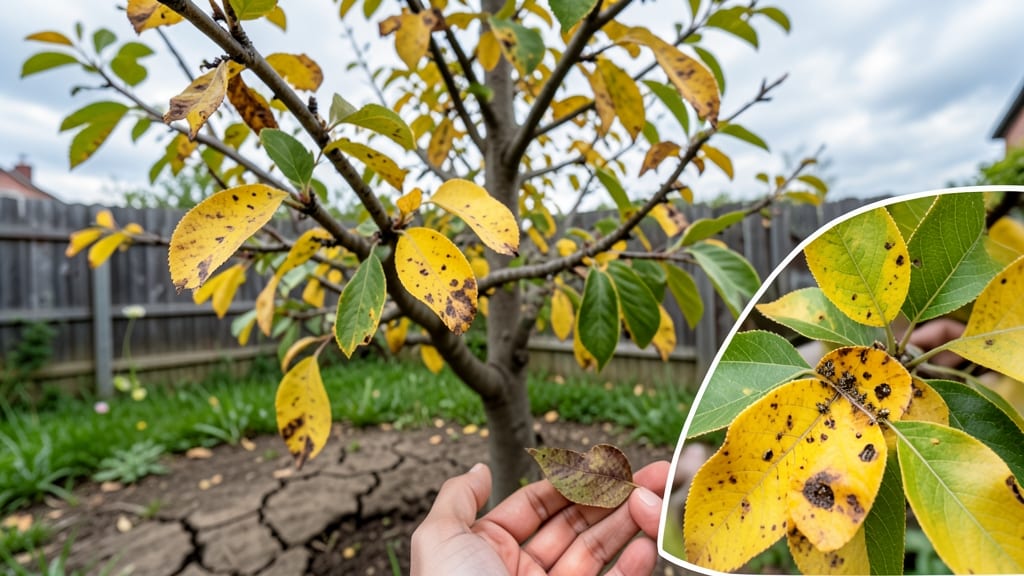
Your peach tree losing leaves isn’t a death sentence—it’s a wake-up call from the roots. 🌱 I’ve nursed back stressed trees using simple organic fixes that stop the decline and restore lush foliage within weeks.
The key is identifying whether it’s drought, pests, or disease causing the stress before the tree’s energy drains completely.
Most leaf loss starts below ground: compacted soil, girdling roots, or inconsistent watering. I’ve seen trees recover dramatically after just one deep watering session and a layer of organic mulch to protect the roots.
The first step is checking moisture levels—dry soil means thirsty roots, while soggy soil signals rot or fungus.
Once you confirm root stress, organic solutions like compost tea, mycorrhizal fungi, and deep watering with a soaker hose work faster than you’d expect. Within 4-6 weeks, new leaves emerge stronger, and the tree regains its vigor.
The secret is patience—trees heal gradually, but the payoff is a productive tree for years.
This method works for young trees struggling through their first summer and mature trees recovering from neglect. Whether it’s your first peach tree or your tenth, these steps bring them back from the brink—naturally and affordably.
Hidden Stressors Behind Leaf Loss
Peach trees are resilient, but when they start shedding leaves unexpectedly, it’s often a cry for help from deep within their roots—or even beyond. Understanding the root of the problem (literally!) is the first step to reviving your tree.
Below are the most common culprits behind premature leaf drop, explained in clear, actionable terms.
Peach trees rely on healthy roots to absorb water and nutrients. When root health declines, the tree struggles to sustain its foliage, leading to leaf loss. Here’s what’s likely sabotaging your tree’s foundation:
🔥 Compacted or Waterlogged Soil
Peach trees thrive in well-draining, aerated soil with a pH between 6.0 and 7.0. When soil becomes compacted (from foot traffic, heavy machinery, or poor drainage), roots suffocate, restricting oxygen flow.
Meanwhile, waterlogged soil (common in clay-heavy areas or after prolonged rain) cuts off oxygen entirely, causing root rot (Phytophthora or Fusarium fungi).
- Signs: Yellowing leaves, wilting despite moist soil, or a foul odor near the base. - Fix: Loosen soil around the drip line with a broadfork (avoid digging too close to the trunk).
Amend with compost or coarse sand to improve drainage. If waterlogging persists, consider raised beds or swales to redirect water.
💧 Inconsistent Watering Patterns
Peach trees hate moisture extremes—both drought and overwatering stress roots. Drought forces leaves to drop to conserve water, while excess water drowns roots, leading to anaerobic conditions (no oxygen) and leaf abscission (premature shedding).
- Signs: Crispy, brown edges (drought) or mushy, blackened roots (overwatering).
- Fix:
- Water deeply but infrequently: Aim for 1–2 inches per week, soaking the root zone (12–18 inches deep).
- Mulch properly: Use 2–4 inches of organic mulch (wood chips, straw) to retain moisture and regulate soil temperature.
- Check soil moisture: Stick your finger 3 inches deep—if dry, water; if soggy, hold off.
🐛 Root Diseases and Pests
Fungal infections like root rot or Armillaria (honey fungus) attack weakened roots, while pests like nematodes or grubs chew through them. Infected roots can’t support the tree, causing nutrient starvation and leaf drop.
- Signs:
- Fungal root rot: Black, mushy roots with a foul smell.
- Nematodes: Stunted growth, yellowing leaves, and galls on roots.
- Grubs: Visible tunnels in soil near the base.
- Fix:
- Prevent spread: Remove infected roots and sterilize tools with 10% bleach solution.
- Fungal treatment: Apply copper fungicide or beneficial microbes (Trichoderma strains).
- Nematode control: Solarize soil (cover with plastic for 4–6 weeks) or use neem oil as a deterrent.
- Grub prevention: Encourage beneficial insects (ground beetles) or apply milky spore bacteria (Bacillus popilliae).
Sometimes, the issue isn’t underground—it’s above or around the tree. Peach trees are sensitive to nutrient imbalances, temperature swings, and pollution.
🌡️ Extreme Heat or Cold Stress
Peach trees are not frost-hardy in early spring or late fall. A sudden freeze can burn leaves, while heatwaves (especially with drought) cause transpirational stress, forcing the tree to shed foliage to survive.
- Signs: Brown, crispy leaves (heat) or blackened edges (freeze damage).
- Fix:
- Protect from frost: Use row covers or sprinklers (running water releases heat as it freezes).
- Shade cloth: In extreme heat, provide 30–50% shade during peak sun (10 AM–4 PM).
- Mulch heavily: 6+ inches of mulch insulates roots from temperature swings.
📊 Nutrient Deficiencies or Toxicities
Leaf loss can signal macro or micronutrient deficiencies, often due to poor soil testing or imbalanced fertilizers.
Common offenders: - Nitrogen (N) deficiency: Pale yellow leaves (oldest leaves first). - Potassium (K) deficiency: Brown leaf edges or scorch. - Magnesium (Mg) deficiency: Interveinal chlorosis (yellow between veins). - Iron (Fe) deficiency: Yellow leaves with green veins (lime-induced chlorosis in alkaline soils).
- Toxicities: Excess salt (from fertilizers) or boron can also cause leaf drop.
- Fix:
- Test soil: Use a home kit or send a sample to a lab for precise pH/nutrient analysis.
- Amend soil:
- Low N? Add composted manure or fish emulsion.
- High pH? Apply elemental sulfur or chelated iron.
- Salt buildup? Flush soil with rainwater and avoid synthetic fertilizers.
🌬️ Air Pollution and Herbicide Drift
Peach trees are sensitive to ozone, sulfur dioxide, and herbicide residues (especially 2,4-D or glyphosate). Even car exhaust or industrial emissions can cause foliar necrosis (leaf death) and premature drop.
- Signs: Stippled or bleached leaves, irregular brown patches.
- Fix:
- Relocate if possible: Move the tree away from high-traffic roads or agricultural fields.
- Wash leaves: Use a mild soap spray (1 tsp dish soap per gallon of water) to remove residues.
- Avoid herbicides: Use vinegar-based or corn gluten meal for weed control instead.
Sometimes, above-ground pests force trees to drop leaves as a defense mechanism. These invaders sap nutrients or transmit diseases, triggering stress responses.
🐜 Leaf-Chewing Insects
Caterpillars (peach tree borers, tent caterpillars), Japanese beetles, and aphids defoliate trees, causing premature leaf abscission (the tree sheds leaves to conserve energy).
- Signs: Holes in leaves, silken webs, or sticky honeydew (aphids).
- Fix:
- Handpick larvae or prune infested branches (burn or bag them).
- Neem oil spray: Apply every 7–10 days to disrupt feeding.
- Beneficial predators: Introduce ladybugs or parasitic wasps.
🦟 Sap-Sucking Pests
Spider mites and scale insects pierce leaves to feed on sap, causing yellowing, curling, and drop. Their saliva also clogs leaf pores, reducing photosynthesis.
- Signs: Fine webbing (mites), white cottony masses (scale), or bronzing of leaves.
- Fix:
- Blast off mites: Use a strong hose spray to dislodge them.
- Horticultural oil: Apply dormant season oil (winter) or summer oil (active pests).
- Prune heavily infested branches and dispose of them.
🦠 Fungal and Bacterial Leaf Diseases
Pathogens like peach leaf curl (Taphrina deformans), bacterial leaf spot, or powdery mildew attack foliage, causing premature defoliation.
- Signs:
- Peach leaf curl: Thickened, puckered red/purple leaves in spring.
- Bacterial spot: Water-soaked lesions with yellow halos.
- Powdery mildew: White, powdery coating on leaves.
- Fix:
- Prevent leaf curl: Spray copper fungicide in late fall or early spring (before buds swell).
- **
Revive Your Tree Naturally
Now that you understand why your peach tree is shedding leaves, it’s time to take action! The good news is that most issues can be resolved with organic, practical solutions—no harsh chemicals required.
Below, we’ve mapped out step-by-step fixes tailored to the most common causes, plus prevention tips to keep your tree thriving long-term.
If your tree is dropping leaves due to overwatering, underwatering, or poor drainage, here’s how to correct it:
💧 Adjust Watering Habits
- Check soil moisture before watering: Stick your finger 2–3 inches deep into the soil. If it’s dry, water deeply; if it’s soggy, hold off.
- Water at the base (not the leaves) to avoid fungal diseases.
Use a soaker hose or drip irrigation for slow, deep hydration. - Water in the morning to reduce evaporation and fungal risks.
🌿 Improve Drainage
- If your tree is in compacted or clay soil, mix in compost or organic matter (like coconut coir or well-rotted manure) to loosen it.
- Raise the soil level slightly around the trunk (but not against the bark) to encourage better drainage.
- Avoid planting in low spots where water pools—peach trees hate "wet feet."
🔥 Pro Tip: Mulch Like a Pro
Apply 2–4 inches of organic mulch (straw, wood chips, or pine needles) around the base, keeping it 6 inches away from the trunk. This: ✔️ Retains moisture ✔️ Regulates soil temperature ✔️ Prevents weeds (which compete for water)
If powdery mildew, leaf spot, or bacterial blight is to blame, act fast with these organic remedies:
🧴 Spray Fungicides (DIY or Store-Bought)
- Baking soda spray: Mix 1 tsp baking soda + 1 tbsp horticultural oil + 1 tsp soap per gallon of water.
Spray every 7–10 days until the issue clears. - Neem oil solution: Combine 1 tbsp neem oil + 1 tsp mild soap per quart of water.
Spray early in the morning or evening to avoid burning leaves. - Copper fungicide: Use organic copper sprays (like Bonide Copper Fungicide) for bacterial infections.
🌡️ Improve Air Circulation
- Prune dense branches to allow sunlight and airflow to reach the center of the tree.
- Space trees properly (15–20 feet apart) to reduce humidity buildup.
🎯 Prevention Checklist
✅ Water in the morning (not at night). ✅ Avoid overhead sprinklers (they spread fungal spores). ✅ Clean up fallen leaves regularly to remove fungal spores.
If aphids, spider mites, or borers are sucking the life out of your tree, here’s how to evict them:
🔪 Manual Removal & Traps
- Blast pests off with a strong spray of water (especially for aphids).
- Sticky traps (yellow or blue) can catch flying pests like whiteflies.
- Handpick large pests (like caterpillars) and drop them in soapy water.
🌿 Natural Pest Repellents
- Insecticidal soap: Spray every 5–7 days (follow label instructions).
- Kaolin clay: Mix with water and spray to create a protective barrier that pests dislike.
- Beneficial insects: Release ladybugs or lacewings to eat aphids and mites naturally.
💡 Early Detection Saves Trees
🔍 Inspect leaves weekly for:
- Sticky residue (aphid honeydew)
- Tiny webs (spider mites)
- Sawdust-like frass (borer droppings)
If your tree is yellowing leaves or stunted growth, it’s likely nutrient-starved. Here’s how to feed it right:
📊 Soil Test First
Before adding fertilizers, test your soil (kits are cheap and available at garden centers). This tells you exactly what’s missing—nitrogen (N), phosphorus (P), potassium (K), or micronutrients.
💪 Organic Fertilizer Plan
| Deficiency Signs | Solution | Best Organic Source |
|---|---|---|
| Yellow lower leaves (N deficiency) | Apply nitrogen-rich fertilizer | Blood meal, fish emulsion, compost tea |
| Purple stems/leaves (P deficiency) | Boost phosphorus for root growth | Bone meal, rock phosphate |
| Brown leaf edges (K deficiency) | Add potassium for disease resistance | Wood ash, greensand, banana peel tea |
| Small, pale leaves (Micronutrients) | Use a balanced organic fertilizer | Kelp meal, alfalfa meal, worm castings |
🍌 DIY Fertilizer Teas
- Banana peel tea (for potassium): Soak peels in water for 2 weeks, strain, and water the tree.
- Eggshell tea (for calcium): Crush shells, soak in water for a month, and use as a foliar spray.
Prevention is the best cure! Follow these golden rules to keep your peach tree healthy:
🌿 Prune properly in late winter/early spring (before buds swell) to remove:
- Dead, diseased, or crossing branches
- Suckers at the base
🌞 Provide full sun (6–8 hours daily)—peach trees thrive in sunlight!
🚫 Avoid heavy pruning during summer or fall (it stresses the tree).
🌧️ Mulch annually to maintain soil health.
🐝 Encourage pollinators—plant bee-friendly flowers nearby for better fruit set!
Most trees show visible improvement within 2–4 weeks of proper care. If leaves keep falling after 6 weeks, consult a local arborist—your tree may need deeper soil or root treatment.
Your peach tree can bounce back! With the right care, it’ll be leafy, fruitful, and resilient in no time. 🌳💚
Frequently asked questions
Why are my peach tree's leaves turning yellow before falling?
Yellowing leaves before they drop usually signals nutrient deficiencies (like nitrogen or iron) or root stress from overwatering. Check soil moisture first—if soggy, you may have root rot. For yellowing, test your soil and amend with compost or chelated iron if pH is high.
Can I save my peach tree if it's already lost most of its leaves?
Yes! Even heavily defoliated trees can recover if the roots are still healthy. Focus on deep watering (1-2 inches per week), organic mulch (2-4 inches), and pruning dead branches. Avoid fertilizing until new growth appears—stressed trees need nutrients to rebuild leaves, not feed existing ones.
How do I tell if my peach tree's leaf loss is from pests or disease?
Examine leaves closely: Pests (like aphids or mites) leave honeydew, webs, or chewed edges. Diseases (like leaf curl) cause puckered red leaves or spots. For pests, use neem oil; for diseases, apply copper fungicide early in the season.
Is it normal for peach trees to lose leaves in summer?
No—healthy peach trees rarely drop leaves in summer. If this happens, it’s usually from drought stress or heatwave damage. Water deeply every 3-4 days and provide 30-50% shade during peak heat (10 AM-4 PM). Mulch heavily to protect roots from temperature swings.
How long does it take for a peach tree to recover from leaf loss?
With proper care, you’ll see new growth in 2-4 weeks. Full recovery (lush foliage) typically takes 6-8 weeks, depending on the cause. Monitor soil moisture, prune dead branches, and avoid fertilizing until you spot fresh green leaves. Patience is key—trees heal gradually!