
Featured
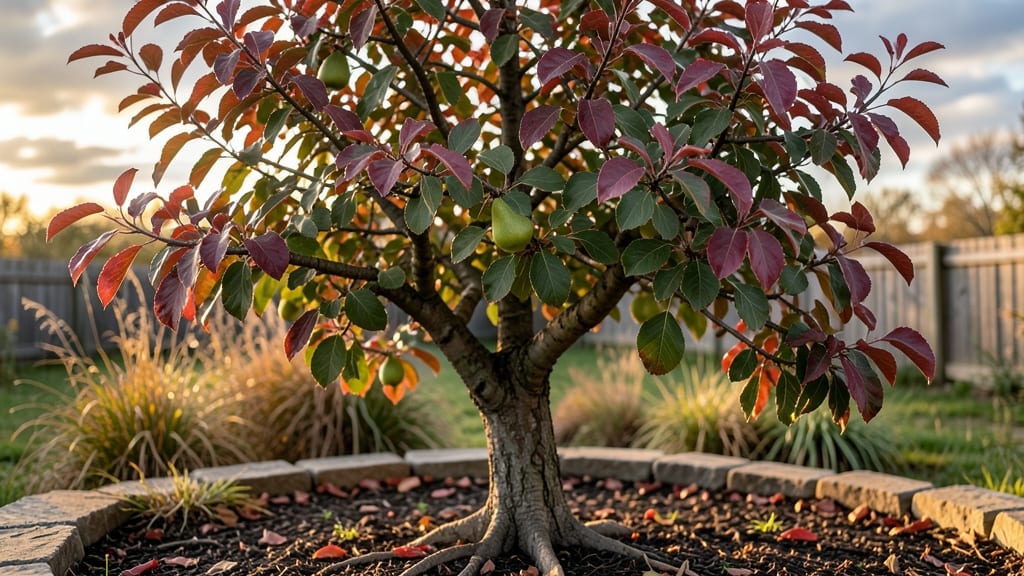
Your pear tree’s leaves turning bright red isn’t just autumn flair—it’s a cry for help. 🌿 Whether it’s nutrient starvation, fungal stress, or pests at work, those fiery hues signal something’s off, and ignoring them risks losing your tree entirely.
The good news? Most causes have simple fixes, from soil amendments to targeted sprays that restore balance.
Red leaves often mean magnesium or iron deficiency, where the tree can’t produce enough chlorophyll. Check the soil—if it’s alkaline (pH above 7), iron becomes locked away.
Fungal diseases like anthracnose also trigger reddening, especially in damp climates, while pests like spider mites suck out nutrients, leaving leaves bleached and crispy at the edges.
Start with a soil test to confirm deficiencies, then amend with Epsom salt (for magnesium) or chelated iron. Prune any severely affected branches to improve airflow, and apply a copper fungicide if anthracnose is suspected. For pests, a strong spray of water or neem oil usually does the trick.
Prevention is key: mulch heavily to retain moisture, water deeply but infrequently, and avoid overhead watering to prevent fungal spread. With the right care, your pear tree’s leaves can return to their usual green—without sacrificing that dramatic seasonal color.
Why it happens
When your pear tree’s leaves turn a stunning, fiery red—especially outside of autumn—it’s not just a pretty spectacle. It’s a cry for attention from your tree, signaling underlying issues or environmental cues. Let’s break down the science behind why this happens, so you can diagnose the problem like a pro.
🌡️ Temperature Fluctuations & Stress
Pear trees are sensitive to temperature swings, particularly when they experience late-season frosts or sudden heatwaves. When leaves are exposed to temperatures below 28°F (-2°C) or sudden drops after warm spells, cellular damage occurs.
This triggers the breakdown of chlorophyll (the green pigment responsible for photosynthesis) and the unmasking of anthocyanins—the red pigments that normally hide in the shadows. Think of it like a tree wearing a thermal coat that reveals its true colors when stressed.
💡 Pro Tip: If red leaves appear after a cold snap, monitor the tree for leaf scorch (brown, crispy edges) or bud dieback. Mulching around the base can insulate roots and buffer temperature extremes.
💧 Water Woes: Too Much or Too Little
Water stress is a top culprit for red leaves in pear trees, whether from drought or overwatering. When roots struggle to uptake moisture, the tree’s vascular system gets clogged, restricting nutrient flow.
This leads to oxidative stress, where excess oxygen molecules damage leaf cells and trigger the production of red pigments as a protective response.
- Drought Stress: Wilting leaves, dry soil, and reddening from the edges inward are classic signs. Pear trees need 1–1.5 inches of water per week during dry spells.
- Overwatering: Soggy soil cuts off oxygen to roots, causing anaerobic conditions that produce toxic compounds. Roots can’t absorb nutrients, leading to red or purple leaves.
🔥 Action Step: Test soil moisture by sticking your finger 2 inches deep—if it’s dry, water deeply. If it’s muddy, hold off until the top 3 inches dry out.
🌱 Nutrient Deficiencies: What’s Missing?
Red leaves often scream nutritional distress. While yellow leaves usually indicate nitrogen deficiency, red or purple hues point to imbalances in:
- Phosphorus (P): Critical for energy transfer in cells. Low phosphorus causes dark red or purple leaves, especially on younger foliage.
- Potassium (K): Acts as a stress regulator. Deficiency leads to reddish-brown edges and weak stems.
- Magnesium (Mg): A chlorophyll co-factor. Lack of magnesium causes interveinal reddening (red between veins).
📊 Soil Test Savior: Send a soil sample to your local extension office. If deficiencies are confirmed, apply a balanced fertilizer (10-10-10) in early spring, followed by a potassium-rich supplement (like greensand) in late summer.
🦠 Pest & Disease Pressure
Some pests and pathogens hijack your pear tree’s chemistry, causing red leaves as a side effect. Here’s how:
- Spider Mites: These tiny vampires suck sap, starving leaves of chlorophyll. Infested leaves turn bronze or red and webbing may appear underneath.
- Fire Blight (Bacteria):strong> Causes crimson-red, wilted leaves and oozing cankers on branches. It’s highly contagious—prune infected areas 6 inches below the damage and sterilize tools with rubbing alcohol.
- Fungal Leaf Spots: Diseases like Alternaria create red or purple spots with yellow halos. Remove fallen leaves and apply copper fungicide preventatively.
👨🍳 Emergency Move: Spray leaves with a neem oil solution (1 tbsp per gallon of water) to deter mites. For fire blight, use streptomycin antibiotic spray (follow label instructions).
🌿 Genetic Quirks & Varietal Traits
Not all red leaves are a red flag! Some pear varieties are naturally prone to anthocyanin production, especially in:
- Cold Climates: Trees like ‘Kieffer’ or ‘Seckel’ develop red foliage in spring or fall as a cold-hardiness adaptation.
- Sun Exposure: Intense sunlight boosts anthocyanin levels, turning leaves deep red or purple—common in ‘Orient’ pears.
- Juvenile Trees: Young pear trees may exhibit transient red leaves as they mature their chlorophyll production.
✨ How to Tell: If the tree is otherwise healthy, vigorous, and fruiting normally, the red leaves are likely just showy genetics. Take a photo and compare it to your pear variety’s known traits!
Revive Your Pear Tree’s Foliage
Red leaves on your pear tree can be a sign of stress, disease, or environmental factors—but the good news is many issues are fixable with the right care.
Below, we’ve mapped out practical solutions for common causes of red leaves, from quick fixes to long-term prevention. Let’s get your tree back to its vibrant best!
If red leaves appear yellowish or pale alongside stunted growth, your tree might be hungry for key nutrients.
🔥 Fix Iron or Chlorosis (Yellowing Between Veins)
- Apply chelated iron (a fast-acting, plant-safe form of iron) to the soil or spray it on leaves. Follow package instructions for dosage.
- Test your soil (DIY kits are affordable!) to confirm iron or manganese deficiency.
Amend soil with compost or organic matter to improve nutrient uptake. - Avoid overwatering—wet soil locks out iron. Ensure well-draining soil with a pH of 6.0–7.0 (slightly acidic to neutral).
🍳 Fix Nitrogen or General Weakness (Pale Green or Reddish Leaves)
- Add slow-release fertilizer (like a 10-10-10 or 5-10-10 blend) in early spring before new growth starts.
- Use coffee grounds or compost tea as a natural nitrogen boost (but avoid overdoing it—too much can burn roots).
- Mulch around the base (2–3 inches of wood chips or straw) to retain moisture and improve soil health.
> 💡 Pro Tip: If your tree is in a container, flush the soil with water every 3–4 months to prevent salt buildup from fertilizers.
Red leaves can also signal temperature swings, windburn, or poor sunlight.
❄️ Fix Cold or Heat Stress (Sudden Reddening)
- Protect young trees from late frosts with frost cloth or a lightweight blanket draped over branches.
- Water deeply before cold snaps to help roots withstand freezing temps.
- Avoid pruning in late summer/fall—new growth is more vulnerable to cold damage.
- Provide afternoon shade in hot climates (use shade cloth or plant nearby trees for natural relief).
💨 Fix Windburn (Scorched or Red-Tipped Leaves)
- Plant windbreaks (like bamboo, evergreens, or shrubs) on the prevailing wind side of your tree.
- Stake young trees if they’re top-heavy and flopping in storms.
- Prune to improve airflow—remove crossing or crowded branches to reduce stress.
> ✨ Prevention Hack: Mulch heavily in winter to insulate roots from temperature extremes.
Fungal infections or pests can cause reddish-brown spots, curling, or premature leaf drop.
🍄 Fix Fungal Issues (Rust, Anthracnose, or Leaf Spot)
- Remove and destroy infected leaves (don’t compost them—burn or trash them).
- Apply copper fungicide (like Bordeaux mixture) or neem oil spray every 7–10 days until new growth appears.
- Water at the base (avoid wetting foliage) to prevent spore spread.
- Prune for airflow—thin out dense branches to reduce humidity buildup.
🐜 Fix Pest Damage (Spider Mites, Aphids, or Scale)
- Blast pests off with a strong spray of water (early morning works best).
- Use insecticidal soap (like Safer® Brand) or neem oil for mild infestations.
- Introduce beneficial insects (ladybugs, lacewings) to control aphids naturally.
- Check the undersides of leaves—pests love hiding there!
> 🎯 Targeted Tip: If you see sticky residue (honeydew), wipe leaves with a soapy cloth and treat for aphids or scale.
Sometimes, red leaves are a sign of overpruning, poor structure, or neglect.
✂️ Fix Over-Pruning or Weak Structure
- Prune in late winter/early spring (before buds swell) to remove dead, diseased, or crossing branches.
- Avoid "heading back" (cutting back to a bud)—it stresses the tree.
Instead, prune at the branch collar. - Thin the canopy to let sunlight reach the center—this prevents fungal issues and encourages even growth.
🚰 Fix Watering Woes (Over or Under)
- Water deeply but infrequently—pear trees hate soggy soil but also drought stress.
- Check soil moisture—stick your finger 2 inches down; if dry, water until it drains out the bottom.
- Use drip irrigation to deliver water slowly at the roots (avoids leaf burn from overhead watering).
> 🔥 Emergency Fix: If leaves are crispy and red from drought, give the tree a deep soak and mulch immediately to retain moisture.
To avoid future red-leaf drama, follow this year-round care plan:
| Season | Task | Why It Helps |
|---|---|---|
| Spring | Fertilize + prune | Boosts growth before pests arrive |
| Summer | Mulch + monitor pests | Prevents heat stress & fungal spread |
| Fall | Test soil + clean up debris | Prepares tree for winter dormancy |
| Winter | Protect from frost + wind | Safeguards roots and branches |
Final Thought: Most red-leaf issues are curable—just act quickly! Start with soil tests, proper watering, and targeted treatments, and your pear tree will be back to its glorious green in no time. 🌳💚
Frequently asked questions
Are red leaves on my pear tree always a sign of a problem?
Not necessarily! Some pear varieties like 'Kieffer' or 'Orient' naturally develop red or purple leaves in spring/fall due to cold hardiness or sunlight exposure. If your tree is otherwise healthy, producing fruit, and growing well, the red leaves may just be a genetic quirk. Check your variety's known traits to confirm.
How can I tell if my pear tree's red leaves are from pests vs. nutrient deficiency?
Look for these clues: Pest damage often shows tiny webs (spider mites), sticky residue (aphids), or chewed edges. Nutrient issues cause uniform reddening (magnesium deficiency) or yellowing between veins (iron chlorosis). Check leaf undersides for pests and test soil pH—if it's above 7.0, iron becomes unavailable.
What's the fastest way to fix magnesium deficiency in my pear tree?
Apply Epsom salt (1 tablespoon per gallon of water) as a foliar spray or soil drench. For immediate results, mix 1 pound of Epsom salt per 25 square feet into the top 6 inches of soil. Repeat every 4-6 weeks until new green leaves emerge. Water deeply after application to help absorption.
Can I still harvest fruit from a pear tree with red leaves?
Yes, but monitor the tree closely. If red leaves are from nutrient deficiency or mild stress, fruit quality may be affected but harvest is still possible. For severe pest/disease (like fire blight), remove infected branches and treat before harvest. Always pick fruit from healthy branches—red leaves often indicate the tree is diverting energy away from fruit production.
Why do my pear tree's leaves turn red in winter but not in summer?
This is normal! Many pear trees produce anthocyanins (red pigments) in cold weather as a protective mechanism against frost damage. The pigments act like sunscreen, shielding leaves from winter sunlight while the tree is dormant. If leaves stay red into spring, check for nutrient deficiencies or poor drainage—these prevent proper chlorophyll production.