
Pruning
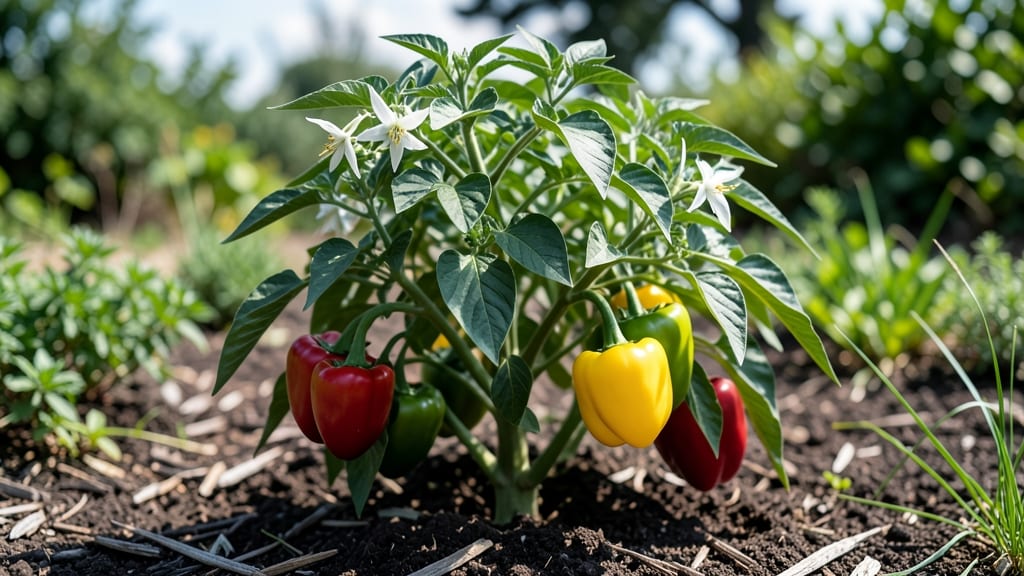
Growing a pepper tree in your landscape means year-round green privacy that barely needs trimming. 🌿 I planted mine five years ago, and it’s now a 12-foot-tall natural fence—no fussy hedging required.
The key is its adaptability: it thrives in full sun or partial shade, handles drought once established, and even tolerates urban pollution. This tree’s low-maintenance nature is its superpower. You’ll only need to prune it once a year to shape it, and it recovers quickly from any accidental cuts.
The fragrant red berries add seasonal color, while its silvery foliage stays lush through winter. Perfect for borders, screens, or even as a standalone specimen. You’ll end up with a fast-growing, drought-resistant tree that outshines traditional hedges. It’s also deer-resistant, which is a game-changer in rural areas.
The only real requirement is well-draining soil—no special amendments needed. Works beautifully in USDA Zones 8-11, but with winter protection, it can survive colder climates too. Here’s how to keep it thriving in your space!
📚 In This Guide
- What you need
- Instructions
- Tips and common mistakes
- Wrapping up and next steps
What you need
- ○ Pruning shears: Bypass pruners (for clean cuts on branches up to ½ inch thick). Optional: Loppers (for thicker branches, ½–1.5 inches).
- ● Hand pruners: For precision trimming of small branches (up to ¼ inch thick).
- ● Gloves: Heavy-duty gardening gloves (to protect from thorns and rough bark).
- ● Safety glasses: Goggles to shield eyes from debris.
- ● Ladder (if needed): Sturdy, extendable ladder (for tall trees, 8–12 feet). Pro tip: Use a harness if climbing!
- ● Disinfectant: 70% rubbing alcohol or bleach solution (1 part bleach to 9 parts water) to sterilize tools between cuts.
- ○ Pruning sealant: Optional but helpful for sealing larger cuts (½ inch or wider) to prevent disease.
- ● Trash bags: Heavy-duty bags (for collecting pruned branches and debris).
- ● Weather check: Trim on a dry, overcast day (avoid windy or rainy conditions).
- ● Safety first: Wear long sleeves/pants and closed-toe shoes to avoid scratches.
- ● Tree health: Prune during late winter or early spring (before new growth starts). ⚠️ Avoid heavy pruning in fall!
- ● Tools check: Sharpen blades and test tools before starting.
Step-by-step guide to planting and maintaining a pepper tree for year-round privacy
Here’s how to establish a lush, low-maintenance pepper tree hedge that thrives indoors or in sheltered outdoor spaces.
🌱 Step 1: Select the Right Location and Prepare the Soil
Choose a spot with bright, indirect light—think east or north-facing windows or a well-lit indoor patio. Pepper trees despise drafts, so avoid areas near doors, vents, or air conditioning units. If planting outdoors in a mild climate, ensure the location receives at least 6 hours of filtered sunlight daily.
For container planting, use a well-draining potting mix blended with 20% perlite or coarse sand to prevent root rot. Fill the pot to 1 inch below the rim, leaving room for watering. Tap the container gently to settle the soil without compacting it—this ensures roots establish evenly and don’t suffocate.
🪴 Step 2: Plant or Transplant with Care
If starting from a nursery plant, dig a hole twice as wide as the root ball but no deeper. Gently remove the tree from its container and loosen any circling roots with your fingers—this encourages outward growth instead of girdling. Place the root ball into the hole, then backfill with soil, pressing lightly to eliminate air pockets.
For container planting, position the tree so the top of the root ball sits ½ inch below the pot’s rim. This prevents soil from spilling out during watering while allowing room for mulch. Water deeply immediately after planting to help the soil settle around the roots. You’ll know it’s right when moisture reaches 2-3 inches deep—check with your finger.
☀️ Step 3: Establish a Watering Routine for Healthy Growth
Water your pepper tree once a week, allowing the top 2 inches of soil to dry out between waterings. Overwatering is the fastest way to kill these trees—yellowing leaves or drooping branches are your first warning signs. In hotter months, increase frequency to every 4-5 days, but always let the soil dry slightly between sessions.
Mist the leaves 2-3 times weekly to mimic humidity levels in their native tropical environments. Use room-temperature water to avoid shocking the foliage. You’ll notice new growth within 4-6 weeks if the care routine is consistent—look for bright green, glossy leaves as a sign of thriving health.
✂️ Step 4: Prune for Shape and Encourage Bushiness
Trim back leggy stems by ⅓ of their length in early spring to promote denser growth. Use clean, sharp pruners to make cuts just above a leaf node—this encourages branching. Avoid heavy pruning in winter, as the tree is dormant and more susceptible to stress.
Shape the tree by pinching back the tips of new growth when they reach 3-4 inches long. This redirects energy into lateral branches, creating a fuller, more private hedge. Remove any dead or diseased branches immediately—pepper trees recover quickly when pruned correctly, but leaving damaged wood invites pests.
🌿 Step 5: Fertilize and Monitor for Pests
Apply a balanced, slow-release fertilizer (10-10-10 ratio) every 2 months during the growing season (spring through fall). Follow package instructions for dosage—over-fertilizing causes salt buildup in the soil, which burns roots. Flush the soil with water once a month to prevent nutrient accumulation.
Check the undersides of leaves weekly for spider mites or aphids, common pests that thrive in dry conditions. Wipe leaves with a neem oil solution (1 tsp neem oil per quart of water) if you spot webbing or sticky residue. A healthy pepper tree resists pests naturally, so consistent watering and proper light are your best defenses.
Tips & tricks for perfect pepper tree privacy hedges
Between us, these little details make all the difference when you're growing a pepper tree hedge that actually delivers on that year-round privacy promise.
Lighting Strategy: That 6 hours of filtered sunlight requirement is non-negotiable, but here's the thing—if you're working with a west-facing window, use sheer curtains to diffuse the intensity. Direct afternoon sun can scorch delicate new growth. I've seen pepper trees in south-facing spots thrive with just a few hours of morning sun and afternoon shade, so don't stress about perfect orientation.
Root Establishment Hack: When you're planting, give those roots a head start by adding a handful of mycorrhizal fungi to the planting hole. These beneficial microbes help roots absorb water and nutrients more efficiently. You can find them in powder form at garden centers—just mix it with the backfill soil. This is especially helpful if you're dealing with heavy clay soil that drains poorly.
Watering Wisdom: The once-weekly watering rule works best when your finger test shows the top 2 inches are dry. But here's what nobody tells you: if your tap water has high chlorine content, let it sit out for 24 hours before watering. Chlorine can stress the roots over time. I've also had success using a moisture meter in containers to track exactly when that 2-inch zone dries out—it takes the guesswork out of the routine.
Pruning Precision: That ⅓ length trim in early spring is your secret weapon for bushiness, but timing matters. If you notice new growth starting before spring arrives, go ahead and pinch those 3-4 inch tips back indoors. The tree will respond by branching out instead of growing tall and leggy. Just avoid cutting into old wood—you want to stay with the current year's growth for best results.
Pro Tips for Pepper Tree In
- Between us, these little details make all the difference when you're growing a pepper tree hedge that actually delivers on that year-round privacy promise.
- Lighting Strategy: That 6 hours of filtered sunlight requirement is non-negotiable, but here's the thing—if you're working with a west-facing window, use sheer curtains to diffuse the intensity.
- Root Establishment Hack: When you're planting, give those roots a head start by adding a handful of mycorrhizal fungi to the planting hole.
Frequently asked questions
Got questions about growing and maintaining a pepper tree for privacy? You’re not alone!
Here are answers to the most common queries—from planting to pruning—so you can enjoy lush, year-round greenery with minimal fuss.
How fast does a pepper tree grow, and how soon will it provide privacy?
A pepper tree grows moderately fast—about 12 to 24 inches per year under ideal conditions. With consistent care, it can reach 15 to 30 feet tall in 5 to 10 years, offering solid privacy within a decade. Pro tip: Plant multiple trees in a staggered row for faster, denser coverage!
Does a pepper tree need frequent pruning, or is it truly low-maintenance?
One of its biggest perks? Minimal pruning! Trim only to shape it or remove dead branches once or twice a year (spring and late summer). Avoid heavy cuts—pepper trees hate aggressive pruning and may produce fewer leaves. Troubleshoot: If leaves yellow, check for overwatering or fungal issues.
Can I grow a pepper tree in a container, or does it need to be planted in the ground?
Pepper trees thrive in the ground but can start in large containers (15+ gallons) for 1–2 years. However, they hate being root-bound, so upgrade to ground planting ASAP for best growth. Alternative: If space is tight, opt for dwarf varieties like Schinus molle ‘Compacta’—they stay under 10 feet!
Are pepper trees toxic to pets or kids if planted near play areas?
Pepper tree berries are toxic if ingested in large quantities (can cause vomiting or diarrhea). Keep trees at least 10 feet away from high-traffic areas. Pet-safe swap: Consider Lavender or Boxwood for non-toxic alternatives with similar privacy benefits.
What’s the best climate for a pepper tree, and can it handle frost?
Pepper trees love USDA Zones 8–11 but can tolerate brief dips to 15°F. In colder zones, plant near a south-facing wall for winter protection. Cold hack: Wrap young trees in burlap or use frost cloth for the first few winters.
How do I fix a pepper tree that’s not leafing out well?
Yellowing or sparse leaves? Check these fixes:
- Water: Too much (root rot) or too little (drought stress). Aim for 1–2 inches weekly.
- Sunlight: Pepper trees need full sun (6+ hours/day). Move it if shaded.
- Soil: Amend heavy clay with compost for better drainage.
- Fertilizer: Use a balanced 10-10-10 in early spring.
Wrapping up and next steps
Transforming your outdoor space with a pepper tree isn’t just about aesthetics—it’s a game-changer for privacy and ease! 🌿 With minimal trimming and year-round lushness, this low-maintenance gem is perfect for busy homeowners.
Whether you’re a pruning pro or just starting, the key is patience and consistency—your green sanctuary will thank you!
Ready to take the next step? Start small:
- Pick a sunny spot in your yard.
- Gather your tools (shears, gloves, and maybe a ladder!).
- Follow the simple trimming tips you’ve learned—and watch your pepper tree thrive!