
Pruning
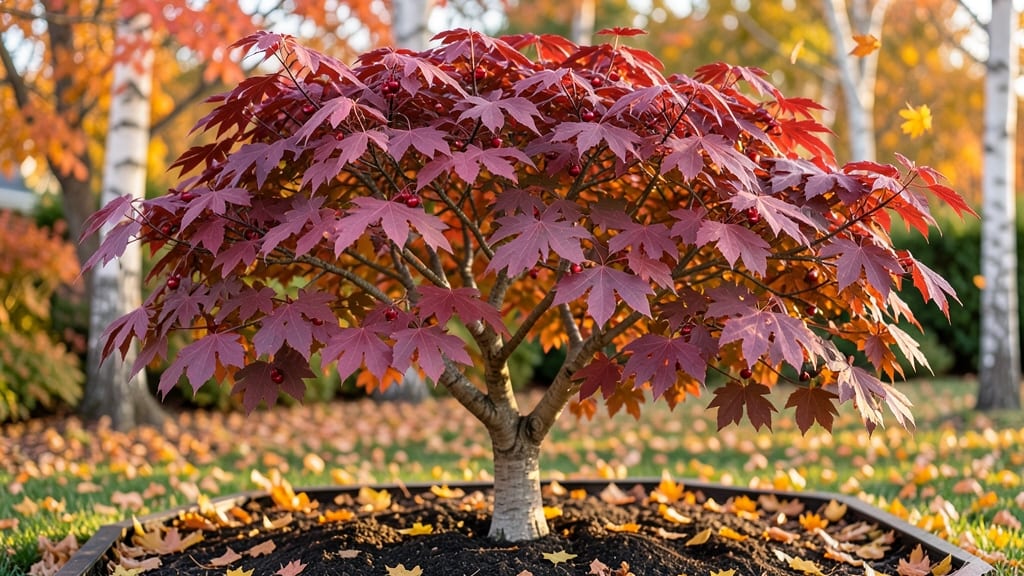
Pink dogwood trees in fall transform into living art, their deepening pink boughs standing out against crisp blue skies. 🌿 I’ve watched mine go from summer’s lush green to this breathtaking skeletal beauty—each branch holding onto its last fiery leaves like autumn’s final embrace.
The key to preserving that magic? Pruning now, before winter’s chill sets in.
Fall’s the perfect time to shape your dogwood, but timing matters. Wait until leaves drop—usually late October or November in most zones—but don’t delay past first frost. You’re not just trimming branches; you’re sculpting the tree’s winter silhouette, ensuring it stays strong enough to burst with spring blooms.
Focus on removing dead wood and thinning crowded spots to let light dance through those iconic branches.
What you’ll end up with is a tree that looks like a painted masterpiece year-round. The pruned structure catches winter light differently, making those pink stems glow even in bare branches.
Plus, you’ll avoid the shock of sudden spring growth—your dogwood will wake up ready to shine, not struggling to recover.
Works for both young trees and mature specimens, though older dogwoods need gentler hands. Here’s how to do it without stressing the tree—because the goal isn’t just pruning, it’s preserving that fall-to-winter magic you fell in love with in the first place.
📚 In This Guide
- What you need
- Instructions
- Tips and common mistakes
- Wrapping up and next steps
What you need
- ● Pruning shears – Bypass pruners (for cuts up to ½ inch thick) or anvil pruners (for thicker branches). Choose sharp, sterilized tools to prevent disease spread. 🔪
- ● Loppers – Bypass-style, 18–24 inches long, for branches ½ to 1½ inches thick.
- ● Pruning saw – Curved-tooth or folding saw for branches thicker than 1½ inches.
- ● Gloves – Heavy-duty, cut-resistant (e.g., leather or reinforced fabric) to protect hands from thorns and rough bark.
- ● Ladder – Sturdy, extendable aluminum or fiberglass (if your tree exceeds 6 feet in height). Never stand on wobbly or unstable ladders! ⚠️
- ● Disinfectant – 70% isopropyl alcohol or a 10% bleach solution to sterilize tools between cuts.
- ○ Sealing wax or pruning sealant – Optional but helpful for large cuts (over ½ inch) to prevent disease entry.
- ● Trash bags or bucket – For collecting pruned branches and debris.
- ● Notebook & pencil – To sketch a quick map of cuts or note areas of concern.
- ● Hand saw or reciprocating saw – For stubborn, oversized branches.
- ● Pole pruner – If your tree is tall and you prefer not to use a ladder.
- ● Tree wound dressing – Controversial but some swear by it for extra protection.
- ● Safety glasses – To shield eyes from debris or sap splatter.
- ● Work gloves with grip – For extra comfort during extended pruning.
Step-by-Step guide to pruning pink dogwood trees in fall
Fall is the perfect time to shape your dogwood for winter beauty—here’s how to do it right.
🪴 Step 1: Assess the Tree’s Structure and Health
Start by walking around your pink dogwood and examining its branches from all angles. Look for any dead, diseased, or crossing branches—these are your first targets. Dogwoods have delicate bark, so avoid heavy pruning now, but removing problematic limbs now prevents winter damage. I like to use a small notebook to sketch a rough map of the tree’s shape, marking branches to remove.
Check for signs of disease like discolored leaves, oozing sap, or mushrooms at the base—these indicate areas that need immediate attention. If you spot any, prune those branches first, cutting back to healthy wood. This ensures your tree stays strong through winter and blooms beautifully next spring.
✂️ Step 2: Remove Dead, Diseased, or Crossing Branches
Grab your pruning shears and start with the easy fixes: snip off any dead or diseased branches at their base. For larger branches, use your pruning saw to make clean cuts just outside the branch collar—the swollen area where the branch meets the trunk. Dogwoods heal faster when cuts are precise, so avoid tearing the bark.
Next, remove any branches that cross or rub against each other. These create wounds that invite pests and disease. If two branches are competing for space, keep the stronger one and cut the weaker at its origin. You’ll know you’re on the right track when the tree’s natural shape starts to emerge—open and airy with no crowded limbs.
☀️ Step 3: Thin Out Overcrowded Areas for Better Airflow
Pink dogwoods thrive when they get plenty of airflow, so focus on thinning out dense areas. Look for clusters of branches growing too close together and selectively remove some to open up the canopy. Aim to reduce crowding by about 20-30%—this improves light penetration and reduces humidity, which helps prevent fungal issues.
When thinning, prioritize branches that are growing inward or downward. These often block sunlight and create shady spots where leaves stay damp too long. Step back frequently to visualize the tree’s silhouette—you want a balanced, open shape that still reflects its natural elegance.
⏰ Step 4: Lightly Shape for Winter Structure
Now’s the time to make subtle adjustments to enhance your dogwood’s winter structure. Avoid heavy pruning—just refine the tree’s form by trimming back any overly long or wayward branches. Cut just above a bud or side branch to encourage new growth in the right direction. Think of this as a gentle sculpting session rather than a drastic overhaul.
Pay special attention to the tree’s lowest branches. If they’re too close to the ground, removing them now prevents them from becoming a nuisance later. Just be careful not to over-prune—dogwoods bloom on old wood, so heavy cuts now could reduce next year’s flowers. A little shaping goes a long way.
🌱 Step 5: Clean Up and Protect the Tree
After pruning, rake up all the debris and dispose of it properly—don’t leave clippings on the ground, as they can harbor pests and disease. Sterilize your tools with rubbing alcohol or a 10% bleach solution to prevent spreading any pathogens to next year’s pruning.
Finally, give your dogwood a deep watering to help it recover from the stress of pruning. Mulch around the base with 2-3 inches of organic mulch, keeping it a few inches away from the trunk to prevent rot. This protects the roots from freezing temperatures and retains moisture for next spring’s growth.
Tips & tricks for pruning pink dogwood trees in fall
Here's what I've learned after years of shaping dogwoods—these tricks make all the difference for winter success.
Visualize First: Before making any cuts, step back and study your dogwood's natural shape. Imagine how you want it to look after pruning—this helps you make more intentional cuts. I always take a photo first, then sketch the branches I plan to remove. This prevents over-pruning and ensures you maintain the tree's elegant silhouette.
The 20-30% Rule: When thinning in Step 3, aim to remove about 20-30% of the dense foliage. This magical range opens up the canopy for better airflow without stressing the tree. Think of it like giving your dogwood a spa day—just enough to refresh without overwhelming it. Use a small notebook to tally branches as you go to stay within this range.
Tool Maintenance: Your pruning shears and saw are just as important as your technique. Clean and sharpen them before starting—dull blades tear bark and create jagged cuts that heal poorly. I keep a small brush in my tool bag to remove sap buildup between uses, which prevents rust and keeps cuts clean. Sterilizing tools after each use (as mentioned in Step 5) protects your tree from spreading disease between cuts.
Seasonal Timing Secret: Fall pruning works best when done after the leaves have fallen but before hard freezes. This timing allows the tree to heal before winter dormancy. If you're in a region with mild winters, you can prune up to December. But if you're expecting early freezes, aim to finish by late October to give the tree enough time to recover.
Pro Tips for Pink Dogwood Tree In Fall
- Here's what I've learned after years of shaping dogwoods—these tricks make all the difference for winter success.
- Visualize First: Before making any cuts, step back and study your dogwood's natural shape.
- The 20-30% Rule: When thinning in Step 3, aim to remove about 20-30% of the dense foliage.
Frequently asked questions
Got questions about keeping your pink dogwood tree looking its best in fall? Here are some common ones—and their answers!
When is the best time to prune a pink dogwood tree in fall?
The ideal window is late fall to early winter (November–February), after leaves drop but before harsh freezes. Pruning too early can stress the tree, while waiting too long may expose it to winter damage. Aim for temperatures above 32°F (0°C) to avoid harming dormant buds.
Can I prune a pink dogwood tree in late fall if I missed the window?
Yes, but with caution! If you must prune in late fall, do so on a mild, dry day and avoid heavy cuts. Focus on removing only dead, diseased, or crossing branches—save major shaping for winter. Avoid pruning if frost is forecasted within 48 hours.
How cold can a pink dogwood tree tolerate after pruning?
Pink dogwoods are hardy to USDA Zones 5–9, meaning they can handle temps down to -20°F (-29°C) once fully dormant. However, recently pruned branches may be slightly more vulnerable. Apply 2–3 inches of mulch around the base to insulate roots and protect against temperature swings.
What should I do if my pink dogwood’s leaves turn brown after pruning?
Brown leaves post-pruning are usually normal, especially in fall. If only a few branches are affected, it’s likely natural senescence (leaf death). However, if large sections brown suddenly, check for:
If pruning feels overwhelming, try these low-maintenance alternatives:
Water deeply if soil is dry.
Are there alternatives to pruning for maintaining a pink dogwood’s shape in fall?
For dramatic structure, winter silhouette pruning (removing inner branches to highlight the outer framework) works well too!
Wrapping up and next steps
The pink dogwood tree in fall transforms your landscape into a breathtaking winter masterpiece—all with the right pruning techniques! 🌿 By following seasonal guidelines, you’ll preserve its iconic structure, vibrant blooms, and health for years to come. Now’s the perfect time to act: grab your tools, schedule a pruning session, and watch your tree shine through the colder months.
🌟 Next Steps:
- 📅 Mark your calendar for late fall or early winter pruning (before the first hard frost).
- 👀 Monitor your tree post-pruning for signs of stress or disease—adjust care as needed.
- 📸 Share your progress! Tag us in your before/after shots for a chance to be featured.