
Pruning
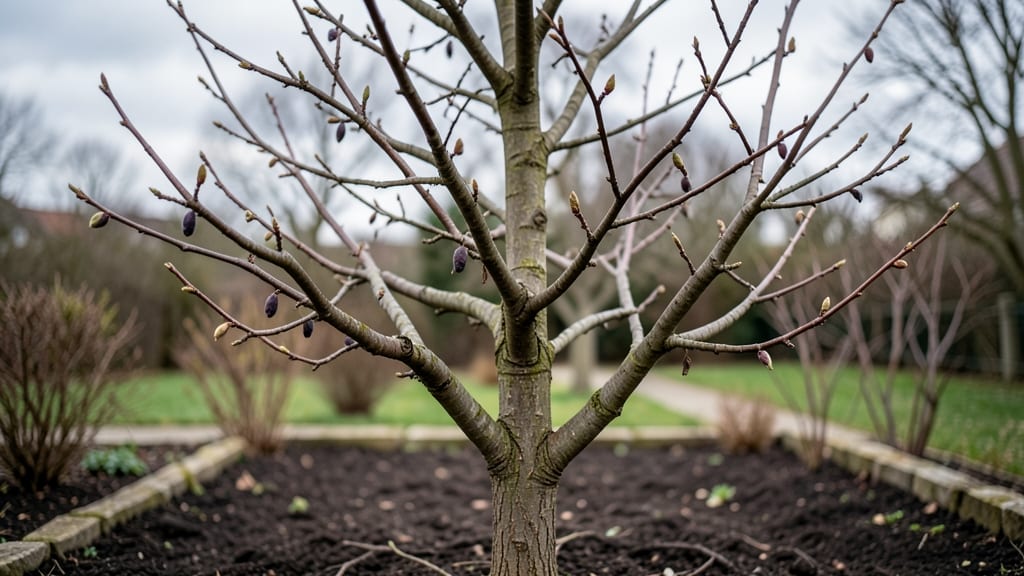
When the plum tree dormant phase arrives in late fall or winter, it's the perfect window to prune for stronger spring growth and better fruit yields—just avoid cutting too late, as new growth can be damaged by unexpected cold snaps.
The plum tree dormant phase isn't just about the tree "sleeping"—it's a survival strategy triggered by shorter daylight and cool temperatures, which help the tree store energy for spring. 🌳 Most plum varieties need 200-700 chill hours (below 45°F) to break dormancy properly, and pruning during this phase helps redirect that stored energy to fruit production rather than leaf growth.
The key is timing: prune after the worst winter weather has passed but before buds swell, usually between late winter and early spring.
This dormant pruning also improves airflow through the canopy, reducing humidity and fungal risks like brown rot—a common plague in plum trees. I always use sharp bypass pruners to make clean cuts at a 45-degree angle, about a quarter-inch above outward-facing buds.
The goal is to remove dead, crossing, or diseased branches while maintaining the tree's natural shape.
💡 In This Article
- What Triggers Plum Tree Dormancy and How It Affects Growth
- Step-by-Step Guide to Pruning a Dormant Plum Tree
What triggers plum tree dormancy and how it affects growth
Plum tree dormancy begins when temperatures drop below 50°F consistently and daylight hours shrink to less than 12 hours per day. This dual trigger—cold and reduced sunlight—activates a hormonal shift in the tree's cambium layer, where growth occurs.
The tree's cells produce more abscisic acid, a plant hormone that signals dormancy, while reducing growth-promoting hormones like auxin. This process isn't just about "sleeping"—it's a metabolic slowdown that conserves energy in the roots and trunk for spring's demands.
The most critical factor is chill hours, the accumulated time below 45°F that plum trees need to break dormancy properly. Most European plums require 500-700 chill hours, while Japanese varieties often need 200-400 hours. Without enough chill, buds may fail to open or produce weak, non-fruiting shoots.
For example, a tree in USDA Zone 6 with 600 chill hours will develop stronger fruit buds than one in Zone 8 with only 300 hours—this explains why plum trees struggle in warmer climates without proper chill accumulation.
During dormancy, the tree's vascular system slows to a trickle, redirecting stored carbohydrates from leaves to roots and branches. This energy reserve fuels rapid spring growth and fruit development. Pruning during this phase removes competing branches that would otherwise divert energy away from fruit production.
The tree's natural defense mechanisms also strengthen—dormant wood is less susceptible to fungal infections like silver leaf fungus, which thrives in wet, active growth conditions.
You'll notice the physical signs of dormancy: leaves turn brown and fall, new growth stops, and the tree's bark appears dormant and slightly shrunken. The buds at the branch tips swell slightly but remain closed until temperatures rise and chill hours are satisfied.
This is why late winter pruning—after the coldest months but before bud break—is ideal. For instance, in Zone 5, pruning in February gives the tree time to heal wounds before spring rains arrive, while pruning in April risks exposing fresh cuts to disease.
What most gardeners overlook is how dormancy affects fruit quality. Trees that receive adequate chill produce fruit with better sugar content and flavor because their metabolic processes reset properly. A tree with insufficient chill may produce smaller, less flavorful fruit—or none at all.
This is why selecting plum varieties matched to your climate's chill hours is crucial. For example, 'Santa Rosa' plums thrive in 500-700 chill hour zones, while 'Methley' plums do well with 300-500 hours.
Consider this analogy: Dormancy is like a bear hibernating—it's not lazy, it's preparing. The tree is stockpiling nutrients, repairing damaged cells, and setting the stage for explosive spring growth.
When you prune during dormancy, you're essentially helping the tree streamline its energy use, ensuring that when buds burst in spring, they're focused on producing fruit rather than excessive foliage. 🌿