
Pruning
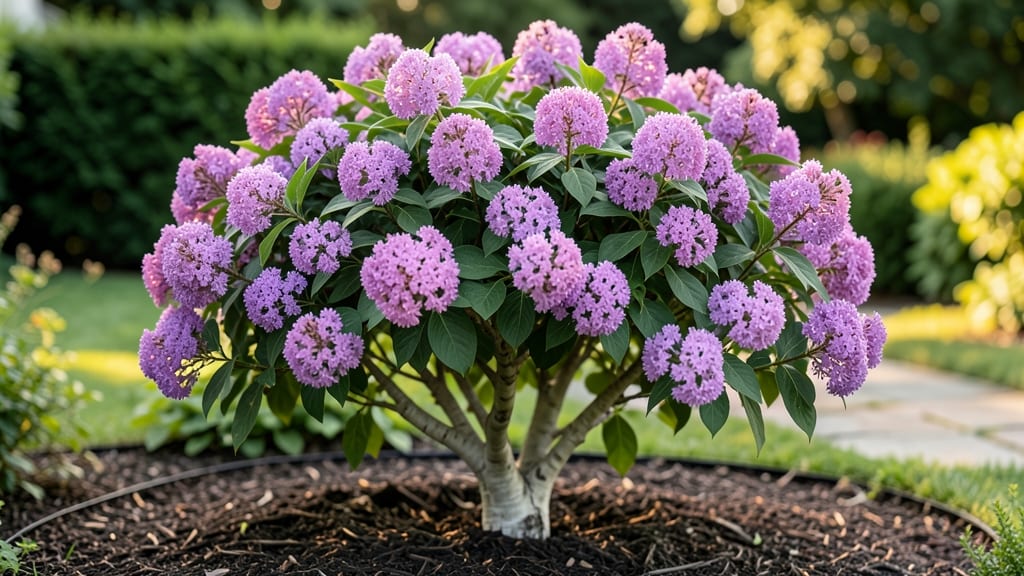
Pruning purple tree bushes transforms them from scraggly to showstopping. 🌿 My purple smoke bush went from looking like a neglected shrub to a vibrant, layered masterpiece after mastering this technique—it’s all about shaping the canopy while keeping the purple foliage lush and healthy.
The key is timing and technique: prune in late winter or early spring before new growth starts, and always cut just above a leaf node or bud.
Use sharp bypass pruners to avoid tearing the bark, and focus on removing one-third of the oldest wood each year to encourage fresh, purple-hued growth. This keeps the bush compact, airy, and full of those stunning purple leaves.
You’ll end up with a bush that blooms more abundantly, has fewer bare spots, and stays the perfect height for your landscape. The purple foliage will pop against green lawns or other plants, and you’ll avoid the common mistake of over-pruning, which can leave your bush looking sad and sparse.
Works for purple lilacs, crape myrtles, and smoke bushes alike—just adjust the timing slightly for varieties that bloom later in the season. Here’s how to do it right the first time.
📚 In This Guide
- What you need
- Instructions
- Tips and common mistakes
- Wrapping up and next steps
What you need
- ● Pruning shears: Sharp, bypass-style shears (for small branches, 4–6 inches in diameter). Quantity: 1 pair.
- ● Loppers: Heavy-duty, bypass or anvil-style (for medium branches, 6–2 inches in diameter). Quantity: 1 pair.
- ● Pruning saw: Curved-tooth saw for thick branches (2+ inches). Quantity: 1.
- ● Gloves: Garden gloves with cut-resistant palms (to protect from thorns or rough bark). Quantity: 1 pair.
- ● Disinfectant: Rubbing alcohol (70%+) or bleach solution (1 part bleach to 9 parts water) to sterilize tools between cuts.
- ○ Pruning sealant (optional but recommended): Tree wound paint (for cuts larger than ½ inch in diameter). Quantity: Small bottle.
- ● Ladder or step stool: Sturdy, extendable ladder (if branches are high; ensure it’s rated for your weight + tools).
- ● Trash bags or bucket: For collecting pruned branches and debris. Quantity: 2–3 bags or 1 large bucket.
- ● Safety gear: Safety glasses (to protect from debris).
- ● Long sleeves/pants (to guard against scratches or sap).
- ● Pruning rope or twine: For temporarily securing branches during layered canopy shaping.
- ● Handheld leaf blower: To clear debris from the area post-pruning.
- ● Notebook & pen: To jot down notes on cuts made (e.g., "removed 3 lower branches for airflow").
- ● Plant food or fertilizer: Balanced, slow-release fertilizer (e.g., 10-10-10) to nourish the bush after pruning.
Step-by-step instructions for pruning a purple tree bush
Here's how I prune my purple tree bush to keep it lush, flowering, and perfectly balanced.
🌿 Step 1: Identify and Remove Dead or Diseased Branches
Start by examining the entire bush for any branches that are brown, brittle, or showing signs of disease like black spots or unusual growths. These are the first to go—they're just taking up energy from healthy growth. Use sharp, clean pruning shears to cut these branches back to the main trunk or to a healthy bud.
I always cut at a slight angle just above a leaf node or bud, about ¼ inch above it. This ensures new growth will sprout from that spot. If you're unsure which branches are dead, gently scratch the bark with your fingernail—if it's green underneath, it's still alive.
✂️ Step 2: Thin Out Overcrowded Areas
Next, focus on the bush's density. Purple tree bushes thrive when they have good airflow, so aim to remove about 20-30% of the total branches. Look for branches that cross each other or grow inward—they'll rub against each other and create wounds that invite pests or disease.
I like to start at the center and work my way out. Cut back branches that are growing toward the center of the bush, leaving the outer branches to create a natural, layered canopy. This step is all about opening up the bush so light and air can reach every part.
☀️ Step 3: Shape for Balanced Growth
Now it's time to shape the bush into your desired form. Step back and look at the overall shape—do you want a rounded, vase-like form, or maybe a more natural, open look? I usually aim for a slightly rounded shape to maximize flowering. Use your pruning shears to trim back branches that are growing too long or out of proportion.
For each cut, aim to remove no more than ⅓ of the branch length at a time. This prevents shocking the plant and encourages new growth. If a branch is too long, you can also cut it back to a side bud or lateral branch to promote bushier growth.
🌱 Step 4: Encourage New Growth and Flowering
To keep your purple tree bush flowering beautifully, focus on cutting back branches just above a set of leaves or buds. This is where new growth will emerge. I usually prune in early spring, right before new growth begins, but you can also do a light pruning after flowering to shape the bush for the next season.
Watch for new shoots emerging from the pruned areas within a few weeks. These shoots will eventually turn into branches with flowers. If you notice any weak or leggy growth, you can trim those back as well to encourage stronger, more compact growth.
⏰ Step 5: Clean Up and Maintain
After pruning, gather all the clippings and dispose of them properly. You can compost them if they're disease-free, but if you notice any signs of disease, it's best to throw them away. Clean your pruning shears with rubbing alcohol to prevent the spread of any potential pathogens.
Finally, give your purple tree bush a good drink of water to help it recover from the pruning. Monitor it over the next few weeks for any signs of stress, like wilting or yellowing leaves. If you see any issues, adjust your watering or care routine accordingly.
Tips & tricks for perfect purple tree bush pruning
Real talk: Pruning your purple tree bush right makes all the difference between a scraggly mess and a vibrant, flowering showstopper. Here's what I've learned after years of trial and error.
Tool Prep: Before you even touch a branch, clean your pruning shears with rubbing alcohol. I learned this the hard way after transferring bacteria from one cut to another. A quick wipe between cuts prevents spreading disease—especially important when dealing with purple tree bushes that can be prone to fungal issues. Sharpen your shears too; dull blades crush stems instead of making clean cuts, which stresses the plant.
Season Timing: Early spring is ideal for your main pruning session, right before new growth begins. This is when the bush is full of energy to recover. I usually aim for late February to early March in most climates, but check your local frost dates—you want to avoid pruning too early when cold snaps can still damage tender new shoots. For shaping after flowering, wait until late spring when the bush has finished blooming.
Visual Cues for Cuts: When making those critical cuts in Step 1 and Step 3, look for the "V" shape where a branch meets the trunk or larger branch. This is your leaf node or bud. Cutting just above this at a slight angle (about ¼ inch) creates a natural growth point. Pro tip: If you're unsure about a cut, do the fingernail test—scratch the bark. Green underneath means it's alive; brown means it's dead and should be removed.
Post-Pruning Care: After you've finished all five steps, don't just walk away! Water deeply right after pruning to help the bush recover. I give mine about a gallon of water per foot of height. Then monitor closely for the first two weeks—look for new shoots emerging from pruned areas. These will become your flowering branches next season. If you see any yellowing leaves or wilting, it's a sign the bush is stressed and needs more water or shade temporarily.
Pro Tips for Purple Tree Bush
- Real talk: Pruning your purple tree bush right makes all the difference between a scraggly mess and a vibrant, flowering showstopper.
- Tool Prep: Before you even touch a branch, clean your pruning shears with rubbing alcohol.
- Season Timing: Early spring is ideal for your main pruning session, right before new growth begins.
Frequently asked questions
Got questions about keeping your purple tree bush looking its best? Pruning can feel tricky, but we’ve got you covered! Here are some of the most common concerns—and straightforward answers—to help you master the art of layered canopy control.
When is the best time to prune a purple tree bush?
The ideal window is late winter or early spring, just before new growth begins. This timing encourages vigorous blooms and minimizes stress. Avoid pruning in fall, as it can stimulate tender growth vulnerable to cold snaps. For heavy shaping, split tasks into two sessions: first in late winter, then again after flowering to refine layers.
How do I prune for a full, layered look without over-thinning?
Start by removing dead, crossing, or inward-growing branches first. Then, cut back selective outer branches by ⅓ to encourage bushiness. Use the “thirds rule”: trim no more than ⅓ of the plant’s foliage in one go. For layers, focus on staggered cuts—shorter on top, longer on the sides—to create depth naturally.
Why is my purple tree bush not blooming after pruning?
Over-pruning or cutting back too late in the season can delay blooms. Ensure you’re leaving healthy, mature branches (at least 2–3 years old) to bear flowers. If blooms are sparse, check for nutrient deficiencies (add balanced fertilizer in spring) or pests (like spider mites) that stress the plant. Light pruning in summer can also stimulate new flower buds.
Can I propagate cuttings from my purple tree bush?
Yes! Take 4–6 inch semi-hardwood cuttings in early summer, just as new growth hardens. Dip the cut end in rooting hormone, then plant in a mix of perlite and peat. Keep the soil moist but not soggy, and place in bright, indirect light. Roots should form in 4–8 weeks. Purple tree bushes (like lilacs or weigelas) often root well this way!
Does pruning affect the purple foliage or flowers?
Pruning enhances color and bloom! Cutting back old wood (especially in spring) promotes brighter purple leaves and more flowers. However, avoid shearing (which can dull foliage). Instead, use selective thinning to improve airflow—this reduces disease risk and keeps those vibrant hues popping. For variegated varieties, prune to preserve leaf patterns.
What should I do if I accidentally prune too much?
Don’t panic! If you’ve over-pruned, stop cutting immediately and focus on recovery. Water deeply and fertilize with a balanced, slow-release formula to support regrowth. In mild cases, new shoots will emerge in 4–6 weeks. For severe pruning, consider a light summer trim to encourage bushier regrowth. Patience is key—purple tree bushes are resilient!
Wrapping up and next steps
Mastering the art of pruning your purple tree bush isn’t just about shaping—it’s about fostering a thriving, balanced plant that dazzles year after year. 🌿 With the right tools, timing, and techniques, you’ll unlock a canopy that’s both healthy and stunning, while keeping your garden (or landscape) in harmony.
Whether you’re a seasoned green thumb or a curious beginner, every snip brings you closer to a purple paradise that’s the envy of the neighborhood!
Ready to take the next step? Pick a sunny day, gather your gear, and give your purple tree bush the TLC it deserves—your future blooms will thank you! 🌸