
Pruning
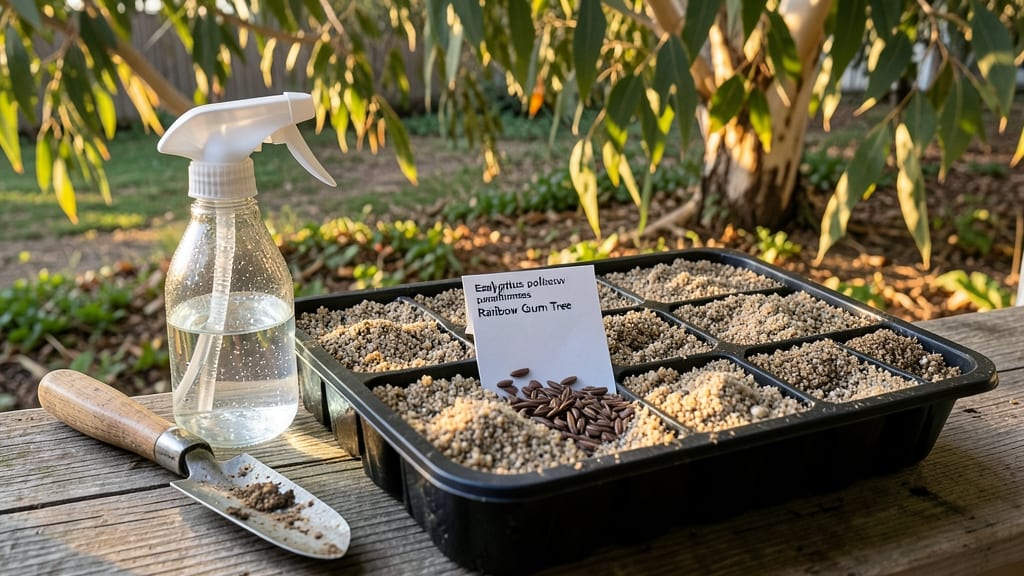
Cold stratification turns those stubborn rainbow gum tree seeds into fast sprouts—no more waiting months for germination. 🌱 I’ve struggled with slow-starting gum seeds until I discovered the trick: a simple cold treatment that mimics their native winter conditions.
This method cuts germination time from 8-12 weeks to just 4-6 weeks, and the results are worth the patience.
The secret lies in replicating the natural cycle these seeds experience in the wild. After harvesting or purchasing seeds, you’ll need a moist paper towel, a sealed bag, and a fridge—no fancy equipment.
The process mimics the damp, cool conditions gum trees experience during their dormant season, tricking them into breaking dormancy faster. It’s science-backed simplicity that works even for beginners.
What you’ll end up with are sturdy seedlings ready to handle transplanting into well-draining soil. The first true leaves appear bright green and glossy, signaling healthy growth.
With proper care, these seedlings grow into the striking, multi-colored bark that gives rainbow gums their name—though the real magic happens in the first few months when roots establish.
This method works for both native gardeners and those in similar climates (USDA zones 9-11). The key is consistency: keep the seeds moist but not soggy during stratification, and watch as those first sprouts push through. Here’s how to do it right from start to finish.
Nature’s Hidden Germination Triggers
Cold stratification is a fascinating natural process that helps seeds like those of the **rainbow gum tree (Eucalyptus deglupta) break their dormancy and germinate. This phenomenon isn’t random—it’s a finely tuned survival mechanism. Let’s explore the key reasons why cold stratification works and how it influences seed behavior.
---
🌱 Why it happens: Many seeds, including those of the rainbow gum tree, enter a state of dormancy to survive harsh conditions. Dormancy prevents seeds from germinating prematurely, ensuring they only sprout when environmental conditions are optimal for survival.
- Physiological dormancy: Some seeds require specific internal changes, like breaking down growth-inhibiting chemicals, before germination can occur. Cold stratification mimics the natural winter chill, triggering these biochemical shifts. - Physical barriers: Hard seed coats (like those on eucalyptus seeds) can block water and oxygen, preventing germination.
Cold stratification weakens these barriers over time, allowing moisture and air to penetrate. - Evolutionary advantage:** In temperate climates, seeds often need a cold period to synchronize germination with spring—when warmth, moisture, and daylight align for seedling success.
💡 Pro tip: If you’re struggling with stubborn seeds, a moist paper towel + fridge trick (4–8 weeks at 34–41°F) can mimic nature’s cold stratification—just like the rainbow gum tree’s wild ancestors rely on!
---
🧪 Why it happens: Cold stratification doesn’t just chill seeds—it rewires them at the cellular level. Two key hormones play a starring role:
| Hormone | Role in Germination | Cold Stratification Effect | |-------------------|------------------------------------------------------------------------------------------|---------------------------------------------------------------------------------------------| | Abscisic Acid (ABA) | Acts as a "pause" signal, keeping seeds dormant until conditions improve. | Cold exposure gradually reduces ABA levels, lifting dormancy. | | Gibberellins (GAs) | Promotes seed growth and breaks dormancy by stimulating enzyme production. | Cold stratification boosts GA production, signaling the seed: "It’s time to grow!" |
- Enzyme activation: Cold temperatures activate enzymes like α-amylase, which break down stored starches into sugars—fuel for the sprouting seedling. - Membrane fluidity: Chilling temporarily stiffens cell membranes, which paradoxically helps repair damage and reset cellular functions after thawing.
✨ Fun fact: Some seeds (like those of the rainbow gum tree) need consistent moisture + cold—drying them out mid-stratification can reset dormancy, delaying germination.
---
🌍 Why it happens: Seeds don’t germinate in isolation—they respond to a cocktail of environmental signals, including microbes and moisture patterns.
- Beneficial microbes: Fungal and bacterial partners in the soil (or your stratification setup) can produce compounds that stimulate germination.
Cold stratification enhances these interactions by slowing seed metabolism, giving microbes time to "communicate" with the seed. - Moisture dynamics: Alternating freeze-thaw cycles (common in wild settings) create micro-cracks in hard seed coats, letting water seep in.
Replicating this with light misting during fridge storage can improve success rates. - Light exposure: Some eucalyptus seeds are sensitive to light. Cold stratification in opaque containers (like a sealed bag with damp paper towels) prevents premature light-triggered germination, ensuring synchronized sprouting.
🔥 Warning: Avoid extreme temperature swings (e.g., fridge to freezer) during stratification—this can shock the seed and reduce viability.
--- 🧬 Why it happens: The rainbow gum tree’s ancestors evolved in tropical highlands where seasonal cold snaps (not extreme winters) trigger germination. This "memory" is hardwired into their DNA.
- Epigenetic changes: Cold exposure can modify gene expression without altering the DNA sequence itself. For example, genes linked to cell wall softening may become more active after stratification. - Species-specific needs: Unlike temperate trees, rainbow gum seeds often need shorter, milder cold periods (4–12 weeks at 34–41°F).
Pushing beyond this can over-chill the seed, reducing germination rates.
🎯 Actionable insight: If your seeds aren’t germinating after 8 weeks, try removing them from the fridge for 1–2 weeks to simulate a "false spring" before returning them to cold—this can trick the seed into thinking winter’s over!
Fixing Slow or Failed Germination
Cold stratification is a game-changer for rainbow gum tree seeds, but even with the right technique, germination hiccups can happen. Below are practical solutions tailored to common issues—plus prevention tips to ensure your seeds sprout like clockwork.
---
Cause: Insufficient moisture, improper stratification duration, or seed viability issues.
Fix It: - Check moisture levels 💧: Seeds need consistent dampness (not soggy) during stratification. Use a spray bottle to mist the mix every 5–7 days, or wrap seeds in a damp paper towel and place them in a sealed bag. - Extend stratification time ⏳: Some seeds need 8–12 weeks. If your climate is warm, refrigerate for the full duration (up to 3 months for stubborn varieties). - Test seed viability 🧪: Place a few seeds in warm water—if they sink, they’re likely viable. Floaters may need rescuer (soak in warm water for 24 hours before retrying stratification).
Prevention Tip: 🌡️ Store seeds in a breathable container (like a mesh bag) to prevent mold while keeping them moist.
---
Cause: Overly wet conditions or poor airflow.
Fix It: - Adjust moisture 💦: Reduce misting frequency or use a well-draining medium (like perlite + peat moss mix) to prevent sogginess. - Add a fungicide 🌿: Sprinkle cinnamon powder or hydrogen peroxide (3%) over the seeds before sealing the container to inhibit mold. - Improve airflow 🌬️: Poke small holes in the bag or use an open container with a lid (not airtight).
Prevention Tip: ✨ Use sterile potting mix or coconut coir to avoid introducing pathogens.
---
Cause: Poor soil conditions, lack of warmth, or transplant shock.
Fix It: - Warm the soil 🔥: Place the seed tray on a heat mat (70–75°F) to speed up germination. Rainbow gum seeds thrive in warmth post-stratification. - Use a humidity dome 🌱: Cover the tray with plastic wrap or a clear lid to retain moisture until sprouts emerge (usually 2–6 weeks). - Gently water 💧: Keep soil moist but avoid drowning roots. Bottom-watering (placing the tray in shallow water) prevents over-saturation.
Prevention Tip: 🌡️ Start seeds indoors in spring (after stratification) to control temperature and humidity.
---
Cause: Overwatering, compacted soil, or bacterial infection.
Fix It: - Repot immediately 🔄: Remove seeds from the damp mix, rinse gently, and replant in fresh, sterile soil with perlite for drainage. - Disinfect the area 🧼: Wash containers with a 10% bleach solution (1 part bleach to 9 parts water) to kill bacteria. - Use a fungicide spray 🍄: Apply a natural fungicide like neem oil or a commercial product like Mycorrhiza to protect new seedlings.
Prevention Tip: 🎯 Always use a well-draining mix (e.g., 50% potting soil, 30% perlite, 20% vermiculite).
--- Cause: Nutrient deficiency, overcrowding, or light issues.
Fix It: - Thin seedlings 🌿: Once sprouts have 2–3 leaves, snip weaker ones at the base to give strong seedlings space. - Fertilize lightly 🌱: Use a diluted (half-strength) balanced fertilizer (e.g., 10-10-10) 4–6 weeks after germination. - Provide bright, indirect light ☀️: Place seedlings near a sunny window or under grow lights (12–14 hours/day) to prevent legginess.
Prevention Tip: 💡 Start with individual pots (not trays) to avoid transplant shock later.
--- Final Pro Tip: 🌟 Keep a germination journal! Track moisture, temperature, and days until sprouting to refine your method for next time. With these fixes, your rainbow gum tree seeds will break dormancy faster and grow into vibrant, healthy saplings.
Frequently asked questions about rainbow gum tree seeds
How long should I cold stratify rainbow gum tree seeds?
Most rainbow gum tree seeds need 4-8 weeks of cold stratification at 34-41°F. For best results, start with 6 weeks in a sealed bag with damp paper towels, then check weekly for sprouting. If no progress after 8 weeks, extend to 10-12 weeks—some seeds need longer.
Can I collect rainbow gum tree seeds from my own tree?
Yes, but timing is critical! Harvest seeds when the capsules turn brown and dry (usually late summer to fall). Let them dry completely before storing in a cool, dry place. Avoid wet conditions, as moisture can cause mold. Store seeds in paper bags for up to 1 year for best viability.
What's the best soil mix for germinating rainbow gum seedlings?
Use a light, well-draining mix of 50% potting soil, 30% perlite, and 20% vermiculite. This prevents root rot while mimicking the tree's native sandy soil. Keep the mix consistently moist (not soggy) and avoid compacting it during planting.
Why aren't my stratified seeds sprouting?
Check these common issues: dry seeds (rewet with a spray bottle), insufficient cold time (extend to 12 weeks), or old seeds (test viability by soaking in warm water—floaters are likely dead). If mold appears, improve airflow by using a mesh bag instead of a sealed container.
When should I transplant rainbow gum seedlings outdoors?
Wait until seedlings have 4-6 true leaves and are at least 6 inches tall. Transplant in spring after last frost (USDA zones 9-11) to a sunny spot with well-draining soil. Harden off seedlings by gradually exposing them to outdoor conditions for 1-2 weeks before planting.