
Pests and Diseases
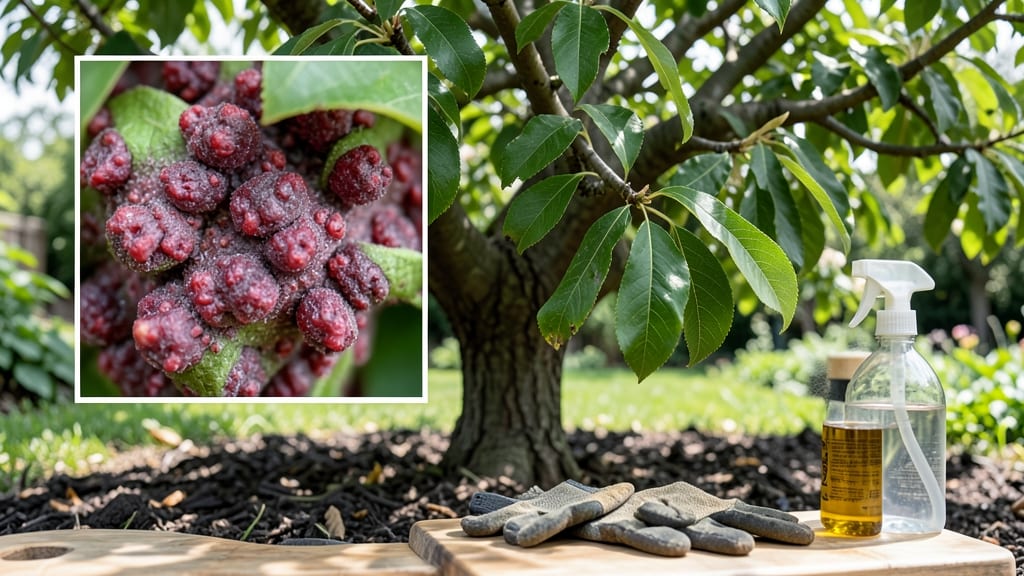
Those tiny red bumps on your peach tree leaves? 🌿 That’s likely peach leaf curl—a stubborn fungal disease that can strip your tree of fruit if ignored.
I’ve seen it turn a healthy tree into a sad, curled-leaf shadow in just weeks, but there’s a way to fight back without harsh chemicals. The fungus thrives in damp, cold springs, and those bumps? They’re actually spore-filled pustules waiting to spread.
The good news? Early action with copper fungicide or homemade baking soda spray can save your tree before the damage gets worse. I’ve used both—here’s what worked for me. By next spring, your tree could be back to producing juicy, blemish-free peaches instead of struggling with stunted growth.
The key is acting fast and checking leaves regularly. Think of it like a doctor’s visit for your tree—better to catch it early. This method works for all peach varieties, from classic Elberta to modern Redhaven. Let’s get your tree healthy again before the next harvest season arrives.
Underlying Causes Explained
Red bumps or spots on peach tree leaves are rarely a coincidence—they’re usually a sign of stress, infection, or pest activity. Understanding the root cause helps you target the right solution.
Below, we break down the most common triggers, from fungal invaders to environmental stressors, with clear explanations of how they damage your tree.
Fungal pathogens like Cercospora (cercospora leaf spot) or Alternaria (alternaria leaf spot) thrive in warm, humid conditions and cause reddish-brown bumps or spots with dark borders. These fungi infect through wounds or stomata (leaf pores), triggering a defensive response that creates raised, crusty bumps.
- How it happens:
- Spores land on leaves, germinate in moisture, and penetrate the leaf surface.
- The fungus disrupts cell function, causing necrotic (dead) tissue that appears as bumps or spots.
- Severe infections lead to premature leaf drop, weakening the tree’s ability to photosynthesize.
- Key identifiers:
- Bumps often have a reddish halo or dark centers.
- Affected leaves may develop yellowing (chlorosis) around spots.
- Common in late spring to summer during rainy or humid periods.
Tiny pests like peach leaf curl mites, scale insects, or gall wasps can create reddish, raised bumps as they feed or lay eggs. Their saliva or physical presence triggers gall formation—abnormal growths where the tree’s cells multiply defensively.
- How it happens:
- Mites (e.g., Eriophyid mites) inject toxins while feeding, causing curled, puckered leaves with red bumps.
- Scale insects suck sap, leading to sticky honeydew and sooty mold (black fungus) that can darken bumps.
- Gall wasps lay eggs in leaf tissue, prompting the tree to form hard, red or brown galls around the larvae.
- Key identifiers:
- Bumps may be hard to the touch (galls) or soft and clustered (mite webs).
- Look for sticky residue (honeydew) or visible pests on stems/leaves.
- Often appears in new growth during spring.
Extreme heat, sun scald, or nutritional imbalances (like magnesium or zinc deficiency) can cause reddish, crusty bumps on leaves. These are less infectious but still harmful, as they reduce the tree’s ability to absorb sunlight.
- How it happens:
- Sunburn: Intense afternoon sun on young, tender leaves causes oxidative stress, leading to reddish, dry patches that harden into bumps.
- Nutrient deficiency:
- Magnesium deficiency (common in acidic soils) causes interveinal reddening and bumpy texture between leaf veins.
- Zinc deficiency leads to small, red, raised spots (especially on newer leaves).
- Heat stress: Prolonged temperatures above 90°F (32°C) disrupt cell membranes, causing necrotic bumps.
- Key identifiers:
- Bumps are dry, papery, and not accompanied by fungal growth.
- Often symmetrical (e.g., only on sun-exposed leaves).
- May coincide with yellowing between veins (magnesium) or stunted growth.
Mechanical damage from hail, strong winds, or improper pruning can create reddish, bruised bumps where cells are crushed. Unlike fungal spots, these injuries are irregular in shape and often appear suddenly after storms.
- How it happens:
- Impact damage ruptures cell walls, triggering a defensive response that forms calloused bumps.
- Pruning cuts too close to branches can leave ragged wounds that develop red, corky tissue.
- Wind abrasion (e.g., sand or dust particles) causes micro-tears that look like tiny red dots.
- Key identifiers:
- Bumps are uneven, jagged, or clustered in storm patterns.
- No fungal growth or pest activity nearby.
- Often seen after severe weather events.
Excessive nitrogen fertilizer or herbicide drift (e.g., from glyphosate) can cause reddish, blistered bumps as the tree’s cells react to toxicity. This is more common in urban or agricultural areas where chemical runoff occurs.
- How it happens:
- Over-fertilization: Too much nitrogen disrupts chlorophyll production, leading to reddish, thickened leaf tissue.
- Herbicide damage: Systemic herbicides (like 2,4-D) can cause crusty, red growths as the plant tries to isolate damaged cells.
- Salt buildup (from poor soil or winter de-icing) also triggers red, necrotic bumps.
- Key identifiers:
- Bumps appear suddenly across multiple leaves.
- May be paired with yellowing edges (fertilizer burn) or stunted new growth.
- Check for chemical residue near the tree’s base.
How to Fix Peach Leaf Issues
Now that you’ve identified the cause of those pesky red bumps on your peach tree leaves—whether it’s fungal canker spots, mites, or environmental stress—it’s time to roll up your sleeves and restore your tree’s health!
The good news? Most solutions are simple, affordable, and organic. Below, we’ve mapped out step-by-step fixes tailored to each culprit, plus prevention tips to keep your peach tree thriving long-term.
If your tree is battling Leucostoma or Wilsonomyces canker, act fast to prevent spread. These fungi thrive in wet conditions, so dry weather is your ally.
🔪 Step 1: Remove Infected Branches
- ✂️ Cut out any branches with red, sunken bumps or oozing cankers—at least 6 inches below the affected area to ensure the fungus doesn’t linger.
- 🔥 Sterilize tools between cuts with rubbing alcohol or a 10% bleach solution to avoid spreading spores.
- 🗑️ Dispose of infected branches in the trash (not your compost pile)—do not burn them (spores can survive heat).
🌧️ Step 2: Improve Airflow and Drainage
- 🌳 Thin out dense foliage to reduce humidity around the tree.
- 💧 Water at the base (not overhead) to keep leaves dry.
- 🪴 Mulch properly: Apply 2–3 inches of organic mulch (like wood chips) 3 inches away from the trunk to prevent moisture buildup.
🛡️ Step 3: Apply Organic Fungicides
- 🍄 Copper fungicide spray (like Copper Soap or Cheshunt Compound) is FDA-approved for organic gardening and effective against canker.
- 📅 Apply every 7–10 days during wet seasons or after pruning.
- 🌞 Best time: Early morning or late evening to avoid leaf burn.
- 🍯 Baking soda spray (1 tbsp baking soda + 1 tsp oil + 1 gallon water) can also help as a preventive measure.
💡 Pro Tip:
🌡️ Monitor humidity—if your area is prone to rain, consider fungus-resistant peach varieties like ‘Redhaven’ or ‘Elberta’ for future plantings.
Tiny red mites sucking sap? They’re likely spider mites—and they multiply fast in dry, dusty conditions.
💦 Step 1: Blast Off Mites with Water
- 🚰 Use a strong hose to knock mites off leaves (early morning works best).
- 🌧️ Repeat every 2–3 days until you see fewer webs.
🕷️ Step 2: Introduce Beneficial Predators
- 🐞 Ladybugs, lacewings, or predatory mites (like Phytoseiulus persimilis) devour spider mites naturally.
- Buy them online or from garden centers—release them at dusk when they’re most active.
- 🌿 Plant companion flowers (like marigolds or dill) to attract these helpers.
🍋 Step 3: Spray Organic Miticides
- 🥬 Neem oil (1 tsp per quart of water + a drop of dish soap) smothers mites and disrupts their life cycle.
- 📅 Apply every 5–7 days until mites disappear.
- 🍎 Insecticidal soap (like Safer® Brand) works too—test on a small leaf first to avoid damage.
💡 Pro Tip:
✨ Dusty leaves = mite buffet—keep your tree clean and hydrated (mites hate humidity!). A light pruning to improve airflow can also deter them.
If the bumps are due to sunburn, nutrient deficiency, or poor soil, your tree just needs a little TLC.
🌱 Step 1: Check Soil and Fertilize
- 📊 Test your soil (a $20 home kit from a garden store works) to check pH and nutrient levels.
- Peach trees prefer slightly acidic soil (6.0–6.5).
- 🌿 Add compost (2–3 inches mixed into the top 6 inches of soil) for nitrogen, phosphorus, and potassium.
- 🍃 Use organic fertilizer like fish emulsion or alfalfa meal in early spring.
🌞 Step 2: Shield from Harsh Sun
- 🪴 If young trees are getting sunburn, provide partial shade with a lightweight shade cloth (30–50%) during peak afternoon sun.
- 💧 Water deeply 1–2 times per week (1 inch of water) to prevent stress.
🌡️ Step 3: Mulch and Moisture Control
- 🍂 Apply 2–3 inches of organic mulch (straw or wood chips) to retain moisture and regulate soil temperature.
- 🚫 Avoid overwatering—peach trees hate “wet feet.” Ensure proper drainage by planting on a slight slope.
💡 Pro Tip:
🎯 Young trees need extra care—if your peach tree is under 3 years old, hand-water it during droughts to prevent stress-related bumps.
Once your tree is healthy, lock in those gains with these long-term strategies:
| Problem | Prevention Tip |
|---|---|
| Fungal Cankers | Prune in dry weather, sterilize tools, and avoid overhead watering. |
| Spider Mites | Keep leaves dust-free, use hose sprays weekly, and plant marigolds nearby. |
| Sunburn | Gradually acclimate young trees to full sun and water deeply in summer. |
| Nutrient Deficiency | Test soil yearly and add compost before spring growth spikes. |
Final Thought: 🌟 A little pruning, spraying, and soil love goes a long way! With these fixes, your peach tree should bounce back—and next season, you’ll be enjoying juicy peaches instead of red bumps. 🍑💚
Frequently asked questions
Why do red bumps appear in clusters on my peach tree?
Clusters of red bumps often signal fungal infections like peach leaf curl or cercospora leaf spot. These fungi spread through spores that land on leaves, especially in damp conditions. Check for yellowing around the bumps—this confirms fungal activity. Act fast with copper fungicide to prevent spread.
Are red bumps on peach leaves always harmful?
Not always! While fungal diseases and mites are common causes, some bumps may result from nutrient deficiencies (like zinc or magnesium) or sun scald. Look for other symptoms: yellowing between veins (nutrient issue) or dry, papery texture (sunburn). Soil testing can confirm the cause.
Can I save my peach tree if the red bumps are from mites?
Yes! Spider mites cause red bumps, but they’re manageable with neem oil or insecticidal soap. Spray every 5–7 days until you see fewer webs. Introduce beneficial predators like ladybugs for long-term control. Keep leaves dust-free to deter mites.
How do I tell if red bumps are from disease vs. environmental stress?
Disease-related bumps often have dark centers or halos, while stress-related bumps are dry and papery. Check for fungal growth (fuzzy texture) or sticky residue (mite honeydew). Environmental bumps usually appear on sun-exposed leaves or after extreme heat.
Will pruning help stop the spread of red bumps?
Prune infected branches 6 inches below bumps and sterilize tools to prevent spore spread. Thin dense foliage to improve airflow, and avoid pruning during wet weather. Dispose of infected branches in the trash—not compost—to stop fungal cycles.