
Diseases
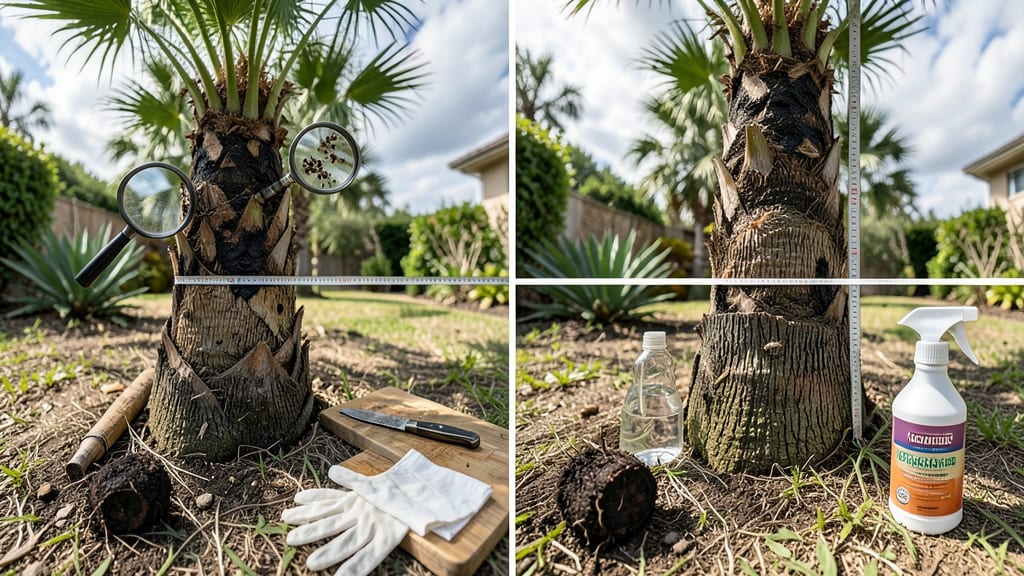
That black shelf fungus creeping up your palm trunk isn't just unsightly—it's silently weakening your tree. 🌿 I've battled this exact problem with my Canary Island date palm, and what started as a small spot grew into a full-blown threat if I didn't act fast.
The good news? You can stop it before it spreads with simple organic methods that actually work.
The fungus thrives when palms are stressed—whether from overwatering, poor drainage, or wounds from pruning. I learned the hard way that ignoring the first signs (those dark, crusty patches) leads to rot and even tree death.
But with the right approach, you can remove it safely and give your palm a fighting chance to recover.
Within weeks, you'll see fresh green fronds emerging as the fungus recedes. The key is acting early, using copper-based sprays, and making sure your palm gets the right care. I'll walk you through the exact steps that saved mine—no harsh chemicals needed.
Works for all palm varieties, from dwarf palms to towering Canary Island dates. Here's how to tackle it before it becomes a bigger problem than it needs to be.
Why it happens
Black fungus creeping up your palm tree trunk isn’t just an unsightly nuisance—it’s a silent alarm signaling deeper issues. Understanding the root causes (literally and figuratively) is the first step to reclaiming your tree’s health. Let’s break down the key factors that turn your palm into a fungal buffet.
🌧️ Overwatering and Poor Drainage
Palm trees thrive in well-draining soil, but when they sit in soggy conditions, their defenses weaken. Excess moisture creates the perfect breeding ground for fungal spores like Phytophthora or Thielaviopsis, which thrive in waterlogged environments. Here’s why it happens:
- Root suffocation: Waterlogged soil cuts off oxygen to roots, stressing the tree and making it vulnerable to fungal invasion.
- Spores spread easily: Standing water on the trunk or soil surface allows fungal spores to splash onto the bark, colonizing weak spots.
- pH imbalance: Poor drainage often acidifies soil, creating a hospitable pH (4.5–6.5) for many fungal pathogens.
Actionable fix: Amend soil with perlite or sand, and ensure your palm’s pot or planting site has drainage holes. Pro tip: 💡 If you’re planting in ground, mound soil slightly to encourage runoff during heavy rains.
🍄 Weakened Tree Immunity from Stress
Fungal infections rarely strike a healthy palm. Stress from nutrient deficiencies, physical damage, or environmental shocks opens the door for black fungus. Common stressors include:
| Stressor | How It Helps Fungus |
|---|---|
| Nitrogen deficiency | Yellowing fronds signal weak growth, making bark less resistant to fungal penetration. |
| Salt buildup (coastal areas) | Salt stress damages root hairs, reducing the tree’s ability to absorb water and nutrients. |
| Mechanical injury (pruning cuts, storms) | Open wounds act as entry points for spores, accelerating infection. |
| Extreme temperature shifts | Cold snaps or sudden heat shock disrupt the tree’s metabolic processes, lowering its fungal resistance. |
Actionable fix: Fertilize with a balanced palm-specific formula (e.g., 8-2-12 NPK ratio) in early spring. For coastal palms, flush soil annually with fresh water to reduce salt. Pro tip: 🌡️ Monitor soil temperature—ideal range for palms is 70–90°F (21–32°C).
🌿 Contaminated Tools or Soil
Fungal spores are everywhere—on tools, mulch, or even neighboring plants. If your pruners, rakes, or compost pile harbor pathogens, they’ll hitch a ride to your palm’s trunk. Key culprits:
- Reused tools: Pruning shears or saws contaminated with Botryosphaeria (a common palm pathogen) can transfer spores directly to fresh cuts.
- Infested mulch: Wood chips or bark mulch left too close to the trunk can trap moisture and harbor fungal spores.
- Cross-contamination: Sharing soil or potting mix between infected and healthy palms spreads disease rapidly.
Actionable fix: Sterilize tools with 70% isopropyl alcohol or a 10% bleach solution between uses. Keep mulch 3–4 inches away from the trunk. Pro tip: ✨ Use gravel or pine needles instead of wood mulch near the base to reduce moisture retention.
🌞 Environmental Conditions Favorable to Fungus
Black fungus loves humidity, shade, and stagnant air. If your palm is tucked in a low-light corner or surrounded by dense foliage, spores linger longer and infect more easily. Key environmental triggers:
- High humidity (>80%): Fungal spores germinate faster in damp air, especially on moist bark.
- Poor airflow: Tight plantings or structures (like walls or fences) trap humidity against the trunk.
- Shade from competing plants: Lack of sunlight weakens the tree’s natural antifungal compounds (e.g., phenolics in palm bark).
Actionable fix: Prune surrounding vegetation to improve airflow, and consider drip irrigation instead of overhead watering to reduce humidity on the trunk. Pro tip: 🌬️ Position fans near the tree during summer to lower local humidity—even a gentle breeze helps.
Quick Fixes for Palm Tree Fungus
If you’ve spotted black fungus creeping up your palm tree trunk, don’t panic—this issue is treatable with the right approach! The key is identifying the root cause (whether it’s excess moisture, poor airflow, or weak tree health) and applying targeted solutions.
Below, we break down practical fixes for each common cause, plus preventive tips to keep your palm thriving.
Fungal growth thrives in damp, stagnant conditions. If your palm’s soil stays soggy or water pools at the base, here’s how to turn things around:
✅ Step 1: Improve Soil Drainage 🏗️
- Test the soil: Dig a small hole near the trunk—if water doesn’t drain within 30 minutes, your soil is too compacted.
- Amend with organic matter: Mix in coarse sand, perlite, or coconut coir to loosen the soil and boost aeration.
- Raise the planting bed: If drainage is chronically poor, mound soil around the base to create a slight slope away from the trunk.
✅ Step 2: Adjust Watering Habits 💧
- Water deeply but less often: Palm trees prefer infrequent, thorough watering (every 7–10 days, depending on climate). Let the top 2–3 inches of soil dry out before watering again.
- Avoid overhead sprinkling: Water at the base only to prevent fungal spores from splashing onto the trunk.
- Use drip irrigation: If possible, install a slow-release drip system to keep moisture consistent without oversaturating.
✅ Step 3: Prune for Airflow 🌬️
- Trim away dead fronds or overgrown leaves that block airflow around the trunk. Use sterilized pruners to avoid spreading spores.
- Remove any mulch piled directly against the trunk—keep it 6+ inches away to prevent moisture buildup.
💡 Pro Tip:
If your palm is in a container, ensure the pot has drainage holes and never let it sit in standing water. Elevate pots on feet or bricks to improve airflow.
A tree struggling with malnutrition or stress is more susceptible to fungal attacks. Boost its defenses with these steps:
✅ Step 1: Fertilize Properly 🌿
- Use a balanced, slow-release fertilizer (e.g., 6-6-6 or 8-3-9) designed for palms. Apply in early spring and midsummer.
- Avoid high-nitrogen fertilizers, which can promote soft, fungus-loving growth.
- Organic option: Mix composted manure or worm castings into the soil for a nutrient boost.
✅ Step 2: Support Root Health 🌱
- Aerate the soil: Use a hand fork to loosen compacted soil around the roots (but avoid damaging them).
- Apply mycorrhizal fungi: These beneficial microbes enhance root absorption and improve disease resistance. Sprinkle mycorrhizal powder into the soil during watering.
✅ Step 3: Monitor for Pests 🐜
- Weak trees attract pests like palm weevils or aphids, which further stress the tree. Inspect fronds for chewed edges or sticky residue (honeydew).
- Treat infestations with neem oil or insecticidal soap, following label instructions.
💡 Pro Tip:
If your palm is newly planted, avoid fertilizing for the first 3–6 months—let it establish roots first. Over-fertilizing can burn roots and make the tree more vulnerable to disease.
Palms in shaded, humid, or high-traffic areas are prime targets for fungal growth. Adjust the environment to discourage spores:
✅ Step 1: Optimize Sunlight ☀️
- Most palms need 6+ hours of direct sunlight daily. If your tree is in deep shade, consider relocating it or thinning nearby foliage.
- Exception: Some understory palms (like Chamaedorea) tolerate shade—check your species’ needs.
✅ Step 2: Reduce Humidity Around the Trunk 🌡️
- Use a fan on low speed near the tree to improve airflow (especially in greenhouses or enclosed spaces).
- For outdoor palms: Plant in well-ventilated areas, away from walls or dense shrubbery.
✅ Step 3: Clean Up Debris 🧹
- Remove fallen fronds, leaves, or mulch from the base of the tree—these trap moisture and spores.
- Sterilize tools: After pruning, wipe blades with rubbing alcohol to prevent cross-contamination.
💡 Pro Tip:
If your palm is in a coastal or rainy climate, apply a copper-based fungicide (like copper hydroxide) as a preventive spray every 4–6 weeks during wet seasons.
If the black fungus has spread extensively or the trunk shows deep cracks, oozing sap, or structural weakness, take immediate action:
✅ Step 1: Apply Fungicidal Treatment 💊
- Organic options:
- Neem oil: Combine 2 tbsp neem oil + 1 tsp horticultural oil + 1 quart water. Spray in the evening to avoid leaf burn.
- Use a systemic fungicide like propiconazole or tebuconazole, following label rates.
✅ Step 2: Remove Infected Tissue ⚔️
- Cut out blackened or mushy areas with a sterilized pruning saw. Make clean cuts below the affected zone.
- Do not compost infected debris—bag and dispose of it in the trash.
✅ Step 3: Monitor and Repeat 👀
- Reapply treatments every 7–14 days until new growth appears healthy.
- Keep the area dry and well-ventilated for at least 4–6 weeks post-treatment.
💡 Pro Tip:
If the trunk is soft or hollow (a sign of advanced rot), the tree may need to be removed to prevent it from falling. Consult an arborist if unsure.
Once your palm is fungus-free, keep it that way with these easy maintenance habits:
- ✅ Water wisely: Stick to the deep-and-infrequent rule.
- ✅ Inspect monthly: Check the trunk and fronds for early signs of discoloration or mold.
- ✅ Prune regularly: Remove dead fronds and debris to reduce hiding spots for spores.
- ✅ Boost immunity: Fertilize 2–3 times per year with a palm-specific formula.
- ✅ Improve airflow: Avoid overcrowding and keep mulch 6+ inches from the trunk
Frequently asked questions
1What types of black fungus commonly appear on palm tree trunks?
The most common black fungi on palm trunks include Ganoderma (shelf fungus), Trametes (polypores), and Botryosphaeria (black rot). These fungi thrive in damp, poorly ventilated conditions and can spread rapidly if left untreated. Ganoderma often appears as shelf-like growths, while Botryosphaeria causes dark, sunken lesions.
2Can I save my palm tree if the black fungus has already spread to the trunk?
Yes, but early action is critical. Remove infected bark with a sterilized knife, then apply a copper fungicide or neem oil solution to prevent further spread. For severe cases, consult an arborist to assess structural damage. With proper care, many palms recover fully within 3-6 months.
3How often should I inspect my palm tree for early signs of black fungus?
Check your palm tree monthly, especially after heavy rains or during humid seasons. Look for dark spots, crusty patches, or unusual discoloration on the trunk and fronds. Early detection gives you the best chance to treat it before it spreads.
4Are there organic alternatives to chemical fungicides for treating palm fungus?
Try a baking soda spray (1 tbsp baking soda + 1 tsp dish soap + 1 gallon water) or neem oil solution (2 tbsp neem oil + 1 tsp horticultural oil + 1 quart water). Both are effective, non-toxic, and safe for pets and children. Apply every 7-10 days until the fungus clears.
5When should I call an arborist instead of trying to treat the fungus myself?
Contact an arborist if the fungus has caused soft, mushy trunk tissue, the palm shows signs of structural weakness, or the infection covers more than 25% of the trunk. Advanced cases may require professional removal to prevent the tree from falling.