
Trees
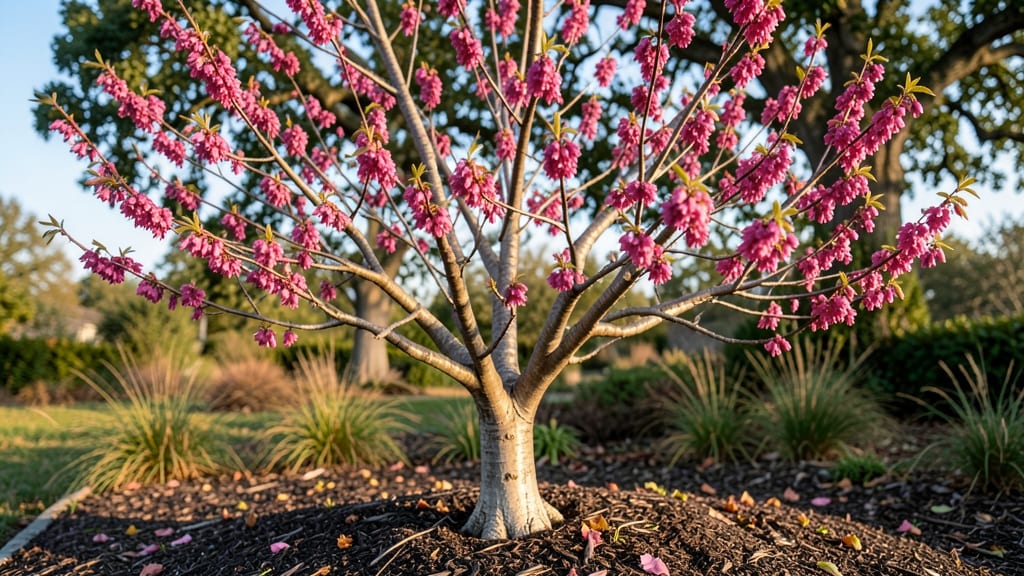
The redbud tree with heart-shaped leaves turns your yard into a springtime dream—pink blossoms before the leaves even appear. 🌸 I planted mine last fall, and now it’s the first tree to wake up each year, signaling that winter’s over.
That magical moment when the pale pink flowers burst open against bare branches? It’s the reason gardeners fall for this tree. You’ll want full sun to partial shade and well-draining soil—it’s surprisingly adaptable once established. The heart-shaped leaves emerge after flowering, adding lush green texture that lasts until fall.
Just give it space to grow (20-30 feet wide) and minimal fuss—water occasionally once rooted, and prune only to shape. In zones 4-9, it thrives without drama, making it the perfect low-maintenance stunner.
📚 In This Guide
- What you need
- Instructions
- Tips and common mistakes
- Wrapping up and next steps
What you need
- ● Redbud tree: 1–3 Eastern redbud (Cercis canadensis) or Western redbud (Cercis occidentalis) plants (bare-root or container-grown). Choose cold-hardy varieties if your zone is below 5.
- ○ Optional: Seeds (if starting from scratch—requires stratification for germination).
- ● Planting site: Full sun to partial shade (6+ hours of sunlight daily for optimal blooms).
- ● Well-draining soil (amend with compost if your soil is heavy clay).
- ● Space: 20–30 feet apart for mature trees (or 10–15 feet for dwarf varieties).
- ● Tools: 1 shovel (for digging)
- ● 1 garden fork or tiller (to loosen soil)
- ● 1 wheelbarrow (for mixing soil amendments)
- ● 1 hose with nozzle or watering can (for post-planting hydration)
- ● 1 pruning shears (for shaping or cleanup)
- ○ Optional: Mulch (2–3 inches of organic mulch like wood chips or straw to retain moisture).
- ● Soil amendments (if needed): 5–10 lbs of compost or aged manure (per planting hole)
- ● 1 lb of bone meal or slow-release fertilizer (for nutrient boost)
- ○ Optional: Soil pH tester (ideal range: 6.0–7.0).
- ● Check your USDA hardiness zone (redbuds thrive in zones 4–9).
- ● Plan for early spring planting (best time for bare-root trees) or fall planting (for container-grown saplings).
- ● Verify local tree ordinances (some areas restrict large tree planting).
- ● Pro tip: If planting in urban areas, choose a dwarf variety (like ‘Forest Pansy’) to save space!
Step-by-Step instructions for planting and caring for redbud trees
Here’s how to grow this stunning, early-blooming tree with minimal fuss—perfect for gardeners who love drama with low maintenance.
🌱 Step 1: Choose the Right Location and Prepare the Soil
Redbuds thrive in full sun to partial shade, with at least 6 hours of direct sunlight daily. I always pick a spot with dappled light if your climate runs hot—it prevents leaf scorch while keeping those iconic heart-shaped leaves vibrant. The tree tolerates a range of soil types but performs best in well-draining, slightly acidic to neutral soil (pH 6.0-7.5).
Before planting, loosen the soil to a depth of 12-18 inches and mix in a 2-3 inch layer of compost to improve fertility. Redbuds have shallow roots, so avoid heavy clay or waterlogged areas. If your soil is compacted, add a handful of coarse sand or perlite to help roots establish faster.
🪴 Step 2: Plant Your Redbud Tree at the Right Depth and Spacing
Dig a hole twice as wide as the tree’s root ball but only as deep as the container it came in. This prevents burying the trunk too deeply, which can suffocate the roots. Gently remove the tree from its container and tease the roots outward if they’re circling—this encourages outward growth instead of a tangled root mass.
Place the tree in the hole so the top of the root ball sits 1-2 inches above ground level. Backfill with native soil, tamping lightly every 2-3 inches to eliminate air pockets. Space multiple trees 20-30 feet apart to allow for mature spread. Water deeply right after planting to settle the soil and eliminate air gaps around the roots.
☀️ Step 3: Water Deeply and Mulch to Retain Moisture
Water your redbud once a week for the first month, providing 1-1.5 gallons per foot of tree height. After that, water every 10-14 days unless your region experiences extreme heat or drought. The key is deep, infrequent watering—this encourages roots to grow downward rather than staying shallow.
Apply a 3-inch layer of mulch around the base, keeping it 3 inches away from the trunk to prevent rot. I use shredded bark or pine straw because they break down slowly and improve soil structure over time. Mulch helps retain moisture, regulates soil temperature, and suppresses weeds—just remember to refresh it annually as it decomposes.
✂️ Step 4: Prune for Shape and Health in Late Winter or Early Spring
Redbuds bloom on old wood, so prune right after flowering (late April to early May) to avoid cutting off next year’s blossoms. Remove any dead, diseased, or crossing branches first—these compete for resources and can weaken the tree. Use clean, sharp pruners to make cuts just outside the branch collar (the swollen area where the branch meets the trunk).
Thin out any overly dense growth to improve airflow and sunlight penetration. You’ll see the tree’s natural shape emerge more clearly after a few years of light pruning. Avoid heavy pruning—redbuds respond best to gradual shaping. If you notice suckers sprouting at the base, remove them promptly to redirect the tree’s energy into upward growth.
🌿 Step 5: Monitor for Pests and Fertilize Sparingly
Redbuds are generally pest-resistant, but watch for aphids or Japanese beetles during spring. A strong spray of water usually dislodges aphids, while neem oil can deter beetles if they become a problem. I only fertilize once a year in early spring with a balanced, slow-release fertilizer (10-10-10). Over-fertilizing can lead to excessive leaf growth at the expense of those stunning spring blooms.
If your tree’s leaves turn yellow or drop prematurely, it might need more iron. A soil test can confirm deficiencies, but a quick fix is applying iron sulfate or chelated iron in early spring. Redbuds are tough once established, but a little attention in their first few years ensures they’ll reward you with decades of early spring color.
Tips & tricks for perfect redbud tree planting and care
These simple yet powerful insights will help you avoid common pitfalls and get the most vibrant blooms from your redbud.
Location Intelligence: The 6 hours of sunlight mentioned is your baseline, but I've found that redbuds actually thrive with 8-10 hours in cooler climates. If your area gets intense afternoon sun, position the tree where it gets morning sun and afternoon shade—this prevents leaf scorch while still giving those heart-shaped leaves plenty of energy to develop their signature shape. Watch for yellowing edges in summer as your first warning sign.
Root Ball Rescue: When you're teasing those circling roots in Step 2, don't just pull them outward—make small vertical cuts with a clean knife if they're severely tangled. This mimics natural root growth patterns and helps the tree establish faster. I've seen trees with uncut circling roots struggle for years to break through compacted soil, while those with properly loosened roots show new growth within weeks.
Mulch Mastery: That 3-inch mulch layer is perfect, but here's what nobody tells you—the mulch should extend out to the tree's drip line (the edge of its canopy), not just the base. As your redbud grows, the roots will spread outward, and you'll need to gradually extend that mulch ring. I use a mix of shredded bark and pine straw because the bark breaks down slowly while the pine straw adds acidity that redbuds love.
Pruning Precision: The late April to early May timing for pruning is critical because redbuds set their flower buds in the previous year. When you're making those cuts outside the branch collar, angle them slightly downward to prevent water from pooling on the wound. I've found that removing just 10-15% of the tree's foliage each year keeps it healthy without sacrificing next spring's spectacular blooms. Use a small brush to clean your pruners between cuts—sap can dry and make subsequent cuts messy.
Pro Tips for Redbud Tree With Heart Shaped Leaves
- These simple yet powerful insights will help you avoid common pitfalls and get the most vibrant blooms from your redbud.
- Location Intelligence: The 6 hours of sunlight mentioned is your baseline, but I've found that redbuds actually thrive with 8-10 hours in cooler climates.
- Root Ball Rescue: When you're teasing those circling roots in Step 2, don't just pull them outward—make small vertical cuts with a clean knife if they're severely tangled.
Frequently asked questions
Got questions about growing and caring for your redbud tree with heart-shaped leaves? You’re not alone! Here are some of the most common queries—plus quick, practical answers to keep your tree thriving.
When do redbud trees bloom, and how long do the flowers last?
The Cercis canadensis typically blooms in early spring—often before its leaves emerge—with vibrant pink or purple flowers. The blooms last about 2–3 weeks, offering a stunning burst of color. Pro tip: Plant near a window or patio to enjoy the show up close!
How cold-hardy are redbud trees, and can they survive winter?
Redbuds are highly cold-hardy, thriving in USDA zones 4–9. They handle frost well, but young trees may need winter mulch for extra protection. Troubleshooting: If leaves brown in winter, it’s likely just dormancy—not damage!
Why aren’t my redbud leaves heart-shaped like they’re supposed to?
Heart-shaped leaves are a signature trait, but stress (drought, poor soil, or pests) can cause misshapen or smaller leaves. Ensure well-draining soil and consistent watering. Fix: Fertilize lightly in early spring if growth seems stunted.
Can I grow a redbud tree in a container, or does it need to be planted in the ground?
While possible in large containers (15+ gallons), redbuds thrive best planted in the ground. Their roots spread widely, and containers limit growth. Alternative: Choose a dwarf variety like ‘Lavender Twist’ for smaller spaces!
What pests or diseases commonly affect redbud trees?
Watch for Japanese beetles, aphids, or powdery mildew. Prune affected branches promptly and use neem oil for organic pest control. Prevention: Keep the area around the tree clear of debris to reduce fungal risks.
Wrapping up and next steps
The redbud tree with its iconic heart-shaped leaves is a stunning, low-maintenance beauty that brightens any landscape with early spring blooms and year-round charm. Whether you’re drawn to its delicate pink flowers, glossy foliage, or cold-hardy resilience, this tree is a fantastic addition for gardeners of all skill levels.
Ready to plant your own slice of nature’s heart? 🌱 Start by checking your USDA hardiness zone, then grab your gloves and get growing—your future tree (and pollinators!) will thank you.