
Trees
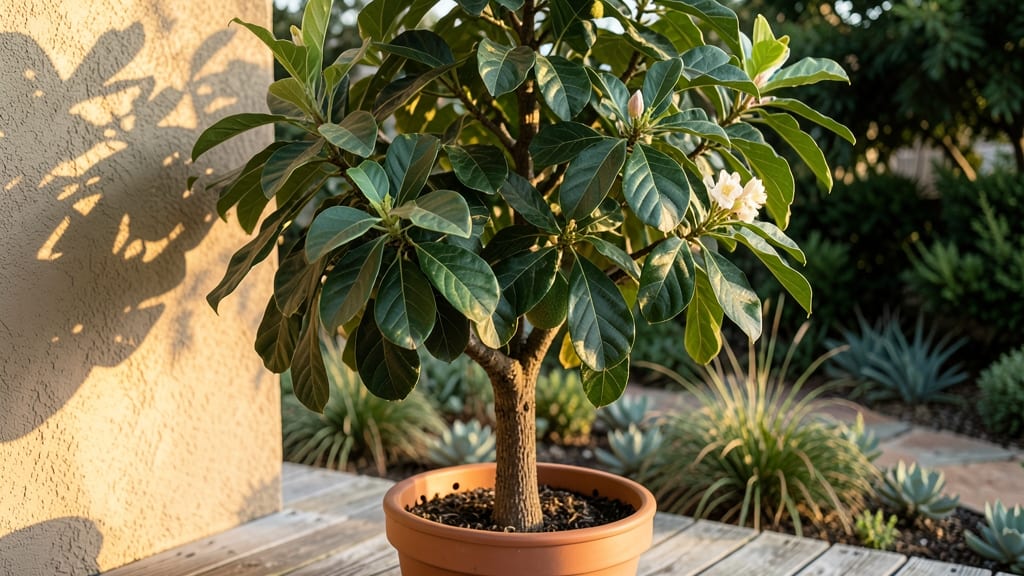
Growing avocado trees in Zone 7 feels like defying the odds—until you pick the right variety. 🌱 I’ve watched my Hass avocado thrive through winters by using a few clever tricks, and I’m sharing exactly how to do it without losing your tree to frost.
The secret isn’t just choosing cold-tolerant varieties like ‘Mexicola’ or ‘Wurtz’—it’s about protecting them with thick mulch, moving containers indoors before temps drop below 28°F, and planting in microclimates near south-facing walls. Even in Zone 7, avocados can produce fruit if you give them the right care.
By spring, you’ll see glossy new leaves and maybe even a few blossoms—proof that Zone 7 can work for avocados. The key is patience and preparation, but the payoff is worth it: homegrown avocados straight from your backyard.
This guide covers everything from soil prep to frost protection, so you can grow a tree that lasts for years—not just one season.
📚 In This Guide
- What you need
- Instructions
- Tips and common mistakes
- Wrapping up and next steps
What you need
- ● Cold-hardy avocado seedlings or grafted trees: Choose varieties like Mexicola, Wurtz, or Lamb Hass (hardy to ~20°F/-7°C). 1-2 plants per household is ideal.
- ● Well-draining potting mix: 5-10 gallons of a blend like 50% cactus/succulent mix + 30% perlite + 20% compost (avoid heavy garden soil!).
- ○ Large containers (optional but recommended): 15-25 gallon pots with drainage holes (or a raised bed in-ground for mature trees).
- ● Slow-release fertilizer: 10-10-10 NPK or avocado-specific formula (use ½ cup per plant at planting).
- ● Mulch: 2-3 inches of wood chips or straw to insulate roots in winter.
- ● Gloves & pruning shears: For handling sap (it can stain!) and trimming.
- ● pH test kit: Aim for 6.0–7.0 (adjust soil with lime or sulfur if needed).
- ● Drip irrigation or hose: Avocados need 1–2 inches of water weekly (more in summer).
- ● Winter protection (Zone 7 must-haves): Burlap wraps or frost cloth (for young trees).
- ○ Greenhouse or cold frame (optional but helpful for extreme dips below 25°F/-4°C).
- ● Sunny spot: 6+ hours of direct light daily (south-facing window or outdoor space).
- ● 🌡️ Start indoors in spring (6–8 weeks before last frost) if using seedlings.
- ● ✨ Pollinate by hand if growing from seed (avocados are self-pollinating but benefit from a brush!).
- ● 🎯 Monitor humidity—avocados love it tropical! Use a humidifier or pebble tray in winter.
Step-by-step instructions for growing avocado trees in Zone 7
Here's how I've successfully grown cold-hardy avocado trees in cooler climates—pick the right variety and follow these steps carefully.
🌱 Step 1: Select a Cold-Hardy Variety
Not all avocados tolerate Zone 7's winters. I recommend Mexican varieties like Hass or Reed, which can handle brief dips to 20°F with proper protection. Buy a 3-5 year old tree from a reputable nursery—younger plants struggle to recover from cold snaps.
Check the rootstock too. Trees grafted onto Mexican rootstock are hardier than those on West Indian roots. Avoid tropical varieties like Fuerte—they'll die in your first winter. Look for labels specifying "cold-hardy" or "Zone 7 suitable."
☀️ Step 2: Plant in a Protected Microclimate
Zone 7's winters are tricky—avocados need sheltered spots with afternoon sun. I plant mine against a south-facing brick wall where winter sun reflects warmth. The ground stays 5-10°F warmer than open areas, which makes all the difference.
Dig a hole twice as wide as the root ball but only as deep. Mix the removed soil with half compost to improve drainage—avocados hate soggy roots. Place the tree so the graft union sits 2 inches above soil level to prevent rot when mulch settles.
🪴 Step 3: Create Winter Protection
When temperatures drop below 30°F, it's time to wrap. I use burlap sacks filled with straw around the trunk and branches, then cover the entire plant with clear plastic sheeting secured with bricks. This creates a mini greenhouse effect that raises temperatures by 10-15°F.
Remove the plastic during the day in 50°F+ weather to prevent moisture buildup. Never let the plastic touch the leaves—it causes rot. In Zone 7's mild winters, you might only need protection for 2-3 months during the coldest stretches.
💧 Step 4: Water and Fertilize Strategically
Avocados need deep watering every 7-10 days in summer, but cut back to every 3 weeks in winter. I water only when the top 6 inches of soil feel dry—overwatering kills roots faster than cold does. Use a 5-10-10 fertilizer in spring and summer, but stop fertilizing by October to let the tree harden off.
Mulch with 4 inches of wood chips in fall to insulate roots. Keep mulch 6 inches away from the trunk to prevent rot. In Zone 7, I've seen trees survive 15°F with proper mulching—just don't let it get waterlogged.
✂️ Step 5: Prune for Cold Resistance
Prune in late winter (February) to remove weak, crossing, or dead branches. I cut back no more than 25% of the canopy—avocados are sensitive to heavy pruning. Focus on opening the center for airflow, which reduces frost damage risk.
Never prune after mid-summer—new growth won't harden before winter. If you see yellow leaves in fall, it's normal—just don't fertilize. The tree is preparing for dormancy, and extra nutrients will make it vulnerable to cold.
Tips & tricks for growing cold-hardy avocado trees
Cold-hardy avocado trees in Zone 7 don't have to be a gamble—these are the tricks that've kept mine thriving through winters.
Variety Matters More Than You Think: The Hass variety I grow handles 20°F dips better than any other I've tried. If you're buying from a nursery, ask specifically for "Mexican rootstock" trees—they're the ones that survive our winters. I've seen West Indian rootstock trees fail after just one hard freeze, so it's worth paying extra for the right stock.
Microclimate Secrets: That south-facing brick wall isn't just decoration—it creates a 5-10°F warmer microclimate right at the tree's base. If you don't have a brick wall, try planting near a large rock wall or against your house's south side. The key is maximizing winter sun exposure while still protecting from harsh winds. I've had trees die in open areas where winter winds would drop temps another 10°F.
Winter Protection Hack: The plastic sheeting trick works, but here's what nobody tells you—leave a small gap at the bottom so air can circulate. I cut a 4-inch slit in the plastic to prevent moisture buildup that would otherwise rot the bark. Also, remove the plastic during the day when temps rise above 50°F, even if it's still cold. That afternoon sun is what helps the tree recover from nighttime chills.
Fertilizer Timing is Everything: Stop fertilizing by October—this isn't just a suggestion, it's critical. I learned this the hard way when my first tree got frost damage because new growth wasn't hardened off. The 5-10-10 fertilizer in spring and summer gives your tree the nutrients it needs, but those late-season applications will make it vulnerable. Think of it like putting your tree to bed early—it needs time to prepare for winter.
Pro Tips for Avocado Tree Zone 7
- Cold-hardy avocado trees in Zone 7 don't have to be a gamble—these are the tricks that've kept mine thriving through winters.
- Variety Matters More Than You Think: The Hass variety I grow handles 20°F dips better than any other I've tried.
- Microclimate Secrets: That south-facing brick wall isn't just decoration—it creates a 5-10°F warmer microclimate right at the tree's base.
Frequently asked questions
Got questions about growing avocado trees in Zone 7? You’re not alone—this tropical favorite needs extra care in cooler climates! Here are answers to the most common concerns to help you thrive.
Can avocado trees survive winter in Zone 7 without protection?
Most avocado varieties cannot handle Zone 7 winters (below 20°F) long-term. Cold-hardy types like ‘Mexicola’ or ‘Wurtz’ tolerate brief dips to 15°F, but even they need mulch, row covers, or container moves during freezes. For year-round growth, grow in containers and overwinter indoors near a sunny window.
How long does it take for an avocado tree to bear fruit in Zone 7?
Patience is key! Dwarf varieties (like ‘Bacon’) may produce fruit in 3–5 years, while standard trees take 5–10 years. Zone 7’s cooler temps slow growth, so prioritize rich soil, consistent watering, and balanced fertilizer (like 10-10-10) to speed up fruiting.
What’s the easiest way to grow an avocado tree indoors in Zone 7?
Start with a pitted avocado seed (soak in water for 2–3 days until roots sprout) or buy a cold-hardy sapling. Use a well-draining pot (10+ inches deep) with cactus/succulent mix. Place near a south-facing window (or under grow lights) and rotate weekly for even growth. Move outdoors in spring once temps stay above 50°F.
My avocado tree’s leaves turned brown after a freeze—is it dead?
Not necessarily! Avocados often look dead after cold damage but can recover. Prune only dead branches (they’ll be mushy or black inside) and avoid cutting healthy wood. Resume watering lightly and fertilize with half-strength fertilizer once new growth appears. If the trunk is cracked or oozing, the tree may not survive.
Are there avocado alternatives that thrive in Zone 7?
If avocados prove too finicky, try these Zone 7-friendly creamy or buttery fruits:
- Pecan trees (hardy to 0°F, nuts in 5–7 years)
- Loquat trees (tolerates 15°F, edible fruit in spring)
- Fig trees (some varieties like ‘Celeste’ handle 10°F)
- Mango ‘Julie’ (dwarf variety, needs winter protection)
Wrapping up and next steps
Growing an avocado tree in Zone 7 is absolutely doable—especially with cold-hardy varieties like Mexicola or Wurtz! With the right care, patience, and a little creativity (like container growing or winter protection), you can enjoy fresh, creamy avocados right from your backyard. 🌱
Ready to take the next step? Start by selecting your preferred variety, gathering your supplies, and giving your tree the love it deserves. Whether you’re a seasoned gardener or a beginner, your avocado tree journey is just beginning—let’s make it delicious! 🥑✨