
Trees
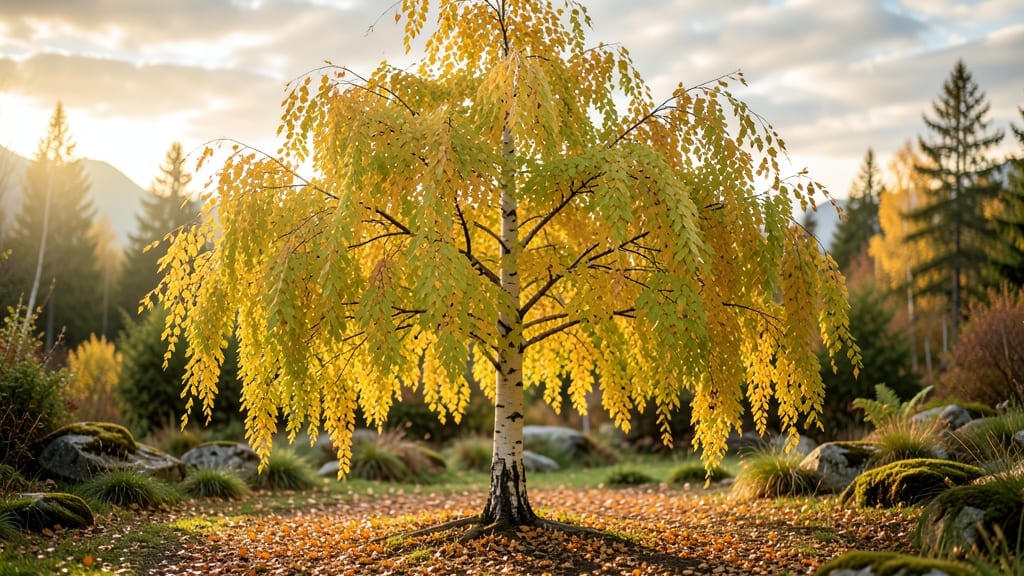
Poplar tree leaves in fall stay bright yellow for 2-4 weeks before dropping, thanks to rapid chlorophyll breakdown and efficient nutrient recycling. Unlike slower-changing oaks or maples, their foliage transforms quickly into golden hues before falling.
This rapid color change happens because poplars prioritize nutrient redistribution to their roots and branches. 🌳 The yellow pigments—carotenoids and xanthophylls—become visible once chlorophyll degrades, creating that vibrant display.
Unlike trees that develop red or orange leaves, poplars skip the sugar production phase entirely, making their fall show brief but striking. If you're planting poplars for seasonal interest, choose fast-growing varieties like the Lombardy poplar, which maintains its golden foliage longer than some slower varieties.
What sets poplars apart is their short-lived foliage—a trade-off for their rapid growth. While maples or oaks may hold onto their leaves for months, poplars' leaves drop quickly after turning yellow, making them ideal for landscapes where you want a bold but temporary autumn statement.
For best results, ensure your poplar gets full sun and well-drained soil, as these conditions help prolong the yellowing phase.
💡 In This Article
- Why Poplar Leaves Turn Yellow Before Falling
- Best Poplar Tree Varieties for Extended Fall Color
Why poplar leaves turn yellow before falling
Poplar leaves turn bright yellow in fall because of a unique biochemical process where chlorophyll—the green pigment responsible for photosynthesis—breaks down rapidly while other pigments remain.
Unlike trees that produce anthocyanins (reds) or carotenoids (oranges), poplars primarily showcase yellow carotenoids like lutein and zeaxanthin, which were always present but masked by chlorophyll. This chlorophyll degradation happens at a rate of about 1-2% per day in late summer, accelerating as daylight shortens and temperatures drop.
The speed of this change sets poplars apart from slower-changing trees like oaks or maples. While those species may take 6-8 weeks to transition from green to full autumn color, poplars complete their transformation in just 2-3 weeks.
This rapid shift occurs because poplars prioritize nutrient translocation—moving stored sugars and minerals from leaves to roots and branches—at a faster pace than many other deciduous trees. 🌿 The result is a brief but intense yellow display before leaves drop.
What makes this process even more fascinating is the role of phytohormones like abscisic acid (ABA), which signals the tree to stop producing chlorophyll and begin leaf senescence (aging). In poplars, ABA levels spike earlier than in most trees, triggering the breakdown of chlorophyll-binding proteins within the leaf cells.
This biochemical cascade exposes the yellow carotenoids, creating that vibrant golden hue. Unlike trees that develop red leaves (which require sugar production), poplars skip this step entirely, focusing purely on nutrient recycling.
Comparing poplars to other trees reveals their unique strategy: while maples or oaks may hold onto their leaves for months, poplars' leaves drop quickly after turning yellow.
This short-lived foliage is a trade-off for their rapid growth—poplars can grow 3-5 feet per year, making them ideal for quick landscape changes. The trade-off? Their autumn display is brief but striking, offering a bold contrast to the slower, more prolonged color changes of other deciduous trees.
For gardeners, this means poplars provide a dramatic but temporary burst of color. To extend their yellowing phase, ensure they receive full sun and well-drained soil—both conditions help maintain vigorous growth and delay leaf drop.
Mulching around the base can also provide nutrients that support longer foliage retention. 🍂 The key takeaway is that poplars' early yellowing isn't a flaw but a highly efficient adaptation for their fast-growing lifestyle.