
Pruning
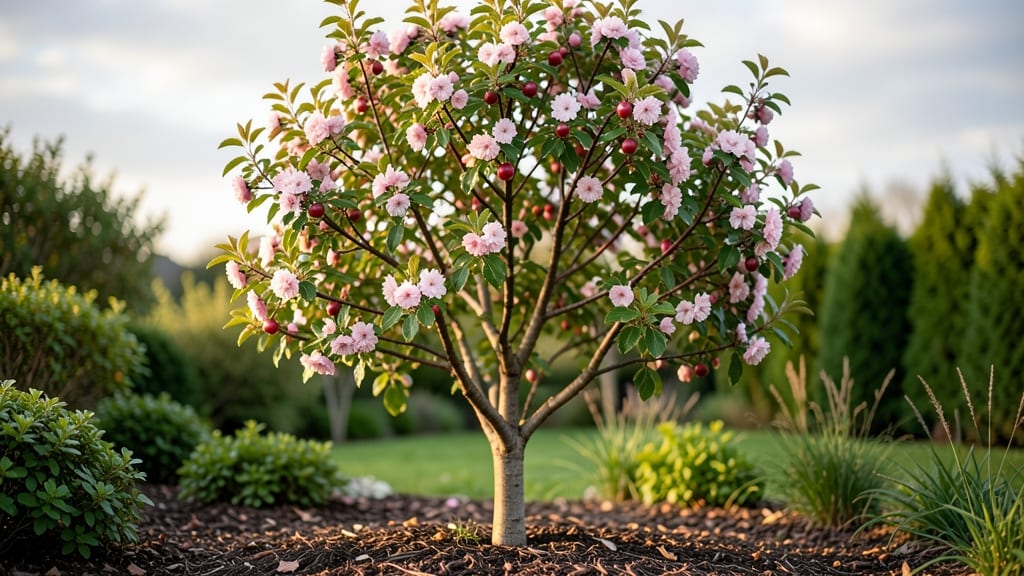
The Showtime crabapple tree grows faster than most ornamental trees, but its pros and cons demand careful consideration before planting. 🌳 I planted mine last spring, and while it’s already providing shade, the fallen fruit cleanup has been a surprise—though the spring blossoms make it worth it.
This tree excels as a privacy screen or focal point, especially in urban gardens where space is tight. Its disease resistance is above average for crabapples, and birds adore the fruit—though that means more mess. The blooms arrive early, attracting pollinators before other trees wake up.
Downsides? It needs regular pruning to control size and shape, and its roots can outcompete nearby plants. If you’re okay with seasonal cleanup and occasional pest visits, it’s a stunning, low-maintenance choice for structured gardens. Best paired with perennials that thrive in shade or ground covers to hide fallen fruit.
Perfect for formal landscapes, pollinator gardens, or small yards needing quick greenery.
📚 In This Guide
- What you need
- Instructions
- Tips and common mistakes
- Wrapping up and next steps
What you need
- ● Tree: 1 Showtime Crabapple Tree (bare-root or container-grown, 1-3 years old)
- ● Shovel: 1 medium to large digging spade (for planting)
- ● Garden Gloves: 1 pair (heavy-duty for pruning and digging)
- ● Pruning Shears: 1 pair (bypass pruners, sharp and clean)
- ● Loppers: 1 pair (for thicker branches, 18-24" reach)
- ● Pruning Saw: 1 (for larger branches, 12-16" blade)
- ● Mulch: 2-3 bags (3-4" of organic mulch like wood chips or pine straw)
- ● Fertilizer: 1 bag of balanced, slow-release fertilizer (10-10-10 or similar)
- ● Watering Can/Hose: 1 (with adjustable nozzle for deep watering)
- ● Staking Supplies (if needed): 2-3 wooden stakes (4-6 ft tall)
- ● 1 roll of tree tie or soft nylon strapping
- ● Tree Wrap: 1 roll (to protect young bark from sun/scratches)
- ● Soil Amendments: Compost or peat moss (if your soil is poor)
- ● Fungicide: Copper-based (for disease prevention, especially in wet climates)
- ● Tree Pruning Sealant: (for larger cuts to prevent disease)
- ● Wheelbarrow: 1 (for moving mulch or soil)
- ● Knee Pads: 1 pair (for comfort during planting)
Showtime crabapple tree: planting and care essentials for fast privacy
This tree delivers beauty and function—here’s how to make the most of its rapid growth and seasonal appeal.
🌱 Step 1: Choose the Right Planting Location for Privacy and Sun
The Showtime crabapple thrives in full sun to partial shade, making it ideal for privacy screens along property lines or near patios. I always plant mine where it can receive at least 6 hours of direct sunlight daily, which ensures vibrant spring blooms and dense foliage growth. Avoid low-lying areas where cold air settles—this tree needs good air circulation to prevent fungal diseases.
For a fast-growing privacy screen, space 4 trees 15-20 feet apart in a row. The Showtime grows 20-30 feet tall and wide, so plan accordingly if you’re planting near structures or power lines. Dig a hole twice as wide as the root ball but no deeper—this prevents root suffocation and encourages outward growth.
💧 Step 2: Plant at the Correct Depth and Water Deeply
Remove the tree from its container and loosen the roots gently if they’re circling. Place it in the hole so the top of the root ball sits 1-2 inches above ground level—this prevents water from pooling and rotting the trunk. Backfill with native soil, tamping lightly every 6 inches to eliminate air pockets without compacting the roots.
Water immediately after planting with 10-15 gallons of water, enough to saturate the root zone. Mulch around the base with 2-3 inches of organic mulch, keeping it 6 inches away from the trunk to prevent moisture buildup. The first year is critical—water deeply once a week during dry spells to encourage deep root growth.
☀️ Step 3: Prune for Structure and Disease Prevention
Prune in late winter or early spring before new growth begins. Remove any dead, crossing, or diseased branches first—this keeps the tree healthy and open to sunlight. The Showtime crabapple benefits from selective thinning to improve airflow; I focus on removing branches that grow inward or rub against each other.
For a privacy screen, avoid heavy pruning—this tree grows quickly, and aggressive cuts can slow its density. Instead, shape lightly by trimming the outer branches to encourage bushier growth. Always sterilize pruning tools with rubbing alcohol between cuts to prevent spreading bacterial infections.
✂️ Step 4: Maintain Soil and Monitor for Pests
The Showtime crabapple prefers well-draining soil with a slightly acidic to neutral pH (6.0-7.0). Amend heavy clay soil with compost to improve drainage, but avoid over-fertilizing—this tree thrives in average garden soil once established. I apply a slow-release fertilizer in early spring to support blooming and foliage growth.
Watch for common pests like aphids or spider mites, which can stress young trees. A strong spray of water often dislodges aphids, while neem oil treats mites effectively. If you notice yellowing leaves or stunted growth, check for fungal diseases like apple scab—prune infected branches immediately and apply a fungicide if needed.
⏰ Step 5: Enjoy Fast Growth and Seasonal Interest
One of the Showtime’s biggest advantages is its rapid growth rate of 2-3 feet per year. You’ll see noticeable height and width gains within the first few seasons, making it perfect for quick privacy solutions. The spring blooms are stunning—pinkish-white flowers cover the tree in early spring, followed by small, edible crabapples that birds love.
In fall, the foliage turns a soft yellow, adding seasonal interest. The tree’s dense branching makes it an excellent windbreak and noise buffer, too. With minimal care, the Showtime crabapple delivers year-round benefits—just keep an eye on its size and prune as needed to maintain your desired shape.
Tips & tricks for perfect Showtime crabapple privacy screens
Fast-growing privacy doesn't have to mean sacrificing beauty or health—these pro tips help you maximize the Showtime crabapple's potential while avoiding common pitfalls.
Sunlight Strategy: While the Showtime thrives in full sun to partial shade, I've noticed the most vibrant spring blooms come from trees receiving morning sun and afternoon shade in hot climates. The 6 hours of direct sunlight mentioned in Step 1 should ideally include peak sunlight hours (10am-2pm) for optimal flower production. If planting in a shadier spot, expect slightly fewer blooms but still excellent foliage density.
Root Ball Preparation: Confession: I skipped loosening circling roots for years and wondered why my trees struggled. Always gently tease apart any root-bound roots before planting—this prevents girdling as the tree matures. For container-grown trees, make 2-3 vertical cuts around the root ball with a knife to encourage outward root growth immediately after planting. This is especially important for the 15-20 feet spacing recommendation in Step 1.
Watering Wisdom: The critical first-year watering schedule of deeply once a week deserves emphasis. I recommend using a soil moisture meter to verify when the root zone (about 12 inches deep) is truly dry before watering again. The 10-15 gallons immediately after planting should be split into two 5-gallon waterings—once right after planting, then again 24 hours later to ensure complete saturation. This prevents air pockets that can suffocate new roots.
Pruning Precision: For privacy screens, I've found that selective thinning in Step 3 creates the best results. Focus on removing branches that grow at angles less than 45 degrees from vertical—these are the ones that will compete with your desired screen structure. Always make cuts just outside the branch collar (the swollen area where the branch meets the trunk) to promote faster healing and prevent disease entry points.
Pro Tips for Showtime Crabapple Tree Pros And Cons
- Fast-growing privacy doesn't have to mean sacrificing beauty or health—these pro tips help you maximize the Showtime crabapple's potential while avoiding common pitfalls.
- Sunlight Strategy: While the Showtime thrives in full sun to partial shade, I've noticed the most vibrant spring blooms come from trees receiving morning sun and afternoon shade in hot climates.
- Root Ball Preparation: Confession: I skipped loosening circling roots for years and wondered why my trees struggled.
Frequently asked questions
about the Showtime crabapple tree—because every gardener deserves clarity before planting!How fast does the Showtime crabapple tree grow?
The Showtime crabapple grows moderately fast, averaging 12–24 inches per year under ideal conditions. With proper care (sunlight, water, and soil), you’ll see noticeable height and spread within 3–5 years. Perfect for quick privacy screens or instant curb appeal!
Does the Showtime crabapple produce edible fruit?
No, its fruit is not edible—it’s primarily grown for ornamental value. The small, bright red berries are bitter and astringent, and birds often snack on them. If edible apples are your goal, consider Malus domestica varieties instead.
How cold-hardy is the Showtime crabapple?
This tree thrives in USDA Zones 4–8, making it highly cold-resistant. It handles winter temps down to -30°F (-34°C) with ease. Just ensure it’s planted in well-draining soil to avoid root rot in soggy climates.
How much pruning does the Showtime crabapple need?
Prune lightly in late winter/early spring to shape the tree and remove dead branches. Avoid heavy pruning—it can reduce flowering. Focus on thinning out crowded branches and deadheading spent blossoms for better airflow.
What’s a good alternative if I don’t want a crabapple?
For a fast-growing, low-maintenance privacy screen, try:
- Emerald Green Arborvitae (evergreen, dense, deer-resistant)
- Green Giant Arborvitae (taller, faster growth)
- Oakleaf Hydrangea (flowering, smaller size)
Wrapping up and next steps
The Showtime Crabapple Tree is a stunning choice for adding beauty, privacy, and seasonal interest to your landscape—whether you love its vibrant spring blooms, fast growth, or low-maintenance charm.
While it requires some pruning attention and may not suit small yards, its resilience and curb appeal make it a winner for many homeowners.
Ready to transform your outdoor space? Start by assessing your yard’s size and sunlight—then reach out to a local nursery or arborist to bring home your new tree! 🌳✨