
Pruning
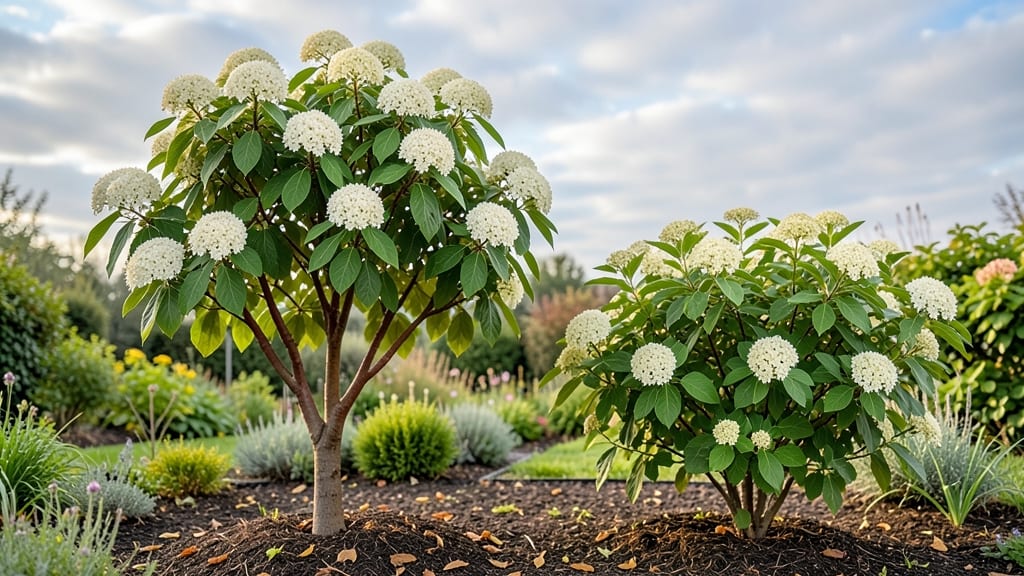
Choosing between a snowball tree (Viburnum dentatum) and snowball bush (Viburnum opulus) comes down to one key difference: the first thrives on native American resilience, while the second brings bold European drama to your yard. 🌿 Both dazzle with snowball-shaped blooms, but their growth habits, pruning needs, and seasonal flair couldn’t be more different—one’s a low-maintenance understory star, the other a showstopper that demands your attention.
The snowball tree (Viburnum dentatum) grows 6-12 feet tall with arching branches and serrated leaves, while the snowball bush (Viburnum opulus) stays 3-5 feet with rounded, lobed foliage.
One’s a woodland native that handles shade; the other’s a sun-loving shrub that bursts with pink spring blooms and turns into a berry buffet for birds. Your yard’s light and space will decide which one steals the show.
Here’s the real secret: pruning transforms both into year-round fluff machines. Cut back old wood in late winter for fresh growth, and shape them like topiaries for a cloud-like effect. The snowball tree’s berries add winter interest, while the bush’s vibrant foliage keeps things lively through fall.
For easy-care gardens, the snowball tree wins. But if you want bold color and structure, the snowball bush delivers. Both handle pests like champions—just watch for leaf spot and treat early. Which one will you prune into perfection this season?
The first product explained
Meet the Snowball Tree (Viburnum odoratissimum)—a stunning, small-to-medium deciduous tree that’s as charming as it is easy to care for! 🌳✨ Known for its show-stopping white blossoms that resemble fluffy snowballs, this tree is a garden favorite for its year-round appeal.
Whether you're a seasoned gardener or a newbie with green thumbs, this tree offers beauty with minimal fuss.
📏 Specs & Features
- Height: 15–25 feet (4.5–7.5 meters) at maturity.
- Spread: 10–15 feet (3–4.5 meters), making it perfect for medium-sized yards or as a standalone specimen.
- Growth Rate: Moderate—expect about 12–24 inches (30–60 cm) of growth per year.
- Bloom Time: Late winter to early spring, with fragrant white flowers that attract pollinators.
- Foliage: Dark green, glossy leaves that turn a soft yellow in fall, adding seasonal interest.
- Hardiness Zones: 7–9 (USDA), thriving in mild to warm climates.
- Sunlight Needs: Full sun to partial shade (at least 6 hours of sunlight daily for optimal blooms).
- Soil Preference: Well-draining, slightly acidic to neutral soil. Tolerates clay but dislikes waterlogged roots.
🎯 Target Users
The Snowball Tree is ideal for:
- Homeowners looking for a low-maintenance yet high-impact ornamental tree.
- Gardeners who love fragrant flowers and wildlife-friendly plants (bees and butterflies adore it!).
- Urban landscapers with limited space—its compact size fits well in small yards or as a privacy screen.
- Those who want a tree with year-round interest, from blooms in spring to fall color.
💰 Price Point
The cost of a Snowball Tree varies based on size and supplier, but you can generally expect to pay:
- Small (3–5 ft): $40–$80
- Medium (6–10 ft): $80–$150
- Large (10+ ft, balled & burlapped): $150–$300+
Pro Tip: 💡 Buy from reputable nurseries or online plant retailers to ensure healthy, disease-free trees. Check local garden centers for seasonal sales!
🌿 Why Choose This?
This tree is a versatile powerhouse—it’s drought-tolerant once established, resistant to most pests, and its pruning needs are straightforward (we’ll cover that in our pruning guide!). Plus, its snowball-shaped blooms make it a standout in any landscape.
The second product explained
If you're dreaming of a low-maintenance yet stunning addition to your garden that bursts with voluminous white blooms without the fuss of a full-sized tree, the Snowball Bush (Viburnum opulus 'Roseum') is your perfect match! 🌸 This compact, deciduous shrub is the ideal choice for gardeners who want easy pruning, year-round interest, and a pollinator-friendly powerhouse.
🌿 Key Specs & Features
- Size: Typically grows 5–8 feet tall and 5–6 feet wide, making it perfect for small gardens, borders, or even large containers.
- Bloom Time: Spring to early summer (May–June), with clusters of showy, snowball-like flowers that attract bees and butterflies.
- Foliage: Dark green leaves turn vibrant red or orange in fall, adding seasonal color.
- Hardiness: Thrives in USDA Zones 3–8, handling cold winters and hot summers with ease.
- Light Needs: Prefers full sun to partial shade (at least 6 hours of sunlight daily for best blooms).
- Soil Tolerance: Adapts to most soil types, including clay or sandy soils, as long as it’s well-drained.
🎯 Who’s It For?
The Snowball Bush is a versatile star for:
- 🏡 Homeowners with limited space who want a privacy screen, hedge, or focal point without the upkeep of a tree.
- 🐝 Eco-conscious gardeners—its flowers feed pollinators, and its berries provide food for birds in fall/winter.
- 🌿 Beginner pruners: Unlike trees, bushes like this one recover quickly from light pruning and rarely need drastic shaping.
- 🎨 Landscape designers seeking textural contrast in mixed borders or cottage-style gardens.
💰 Price Point & Value
Pricing varies by size and retailer, but you can typically find:
- 1-gallon container: $25–$40 (great for small gardens or containers).
- 3–5 gallon container: $50–$80 (ideal for established plantings).
- Bare-root or field-grown: $30–$60 (budget-friendly for larger landscapes).
Pro Tip: 💡 Buy in early spring for the best selection and lower prices! Plus, planting while dormant means less stress on the shrub.
With its effortless charm and low-maintenance nature, the Snowball Bush proves that big beauty doesn’t require big space—or big pruning skills!
Head-to-head comparison
Deciding between a snowball tree and a snowball bush for your garden?
Both bring that dreamy, cloud-like charm, but their care needs—especially when it comes to pruning—can feel as different as a snowball fight in July versus a cozy winter evening. 🌨️✂️ Let’s break down the key differences in a side-by-side comparison so you can pick the perfect fluffy friend for your yard!
🌿 Growth Habit & Size
If you’re dreaming of a statement piece that towers over your landscape, the snowball tree (Viburnum odoratissimum) is your go-to. These deciduous trees can grow 15–25 feet tall with a spread of 10–15 feet, making them ideal for large yards, parkways, or as a focal point in a backyard.
Their upright, multi-stemmed form gives them a natural, tree-like structure.
On the other hand, the snowball bush (Viburnum opulus, also called European cranberrybush) is a compact powerhouse. Typically reaching 6–10 feet tall and wide, it’s perfect for smaller gardens, foundation plantings, or even large containers. Its rounded, bushy shape is more manageable for urban spaces or tight corners.
🌸 Flowering & Seasonal Interest
Both plants are famous for their showstopping white flower clusters, but there are subtle differences in timing and longevity.
- Snowball Tree: Blooms in late spring to early summer (May–June in most climates). The flowers are large, dense, and spherical, resembling a snowball—hence the name! After flowering, it produces small, red berries in fall that birds adore. Foliage turns yellow or orange in autumn, adding seasonal color.
- Snowball Bush: Also flowers in late spring, but its blooms may last slightly longer, sometimes into early summer. The flowers are similar in shape but often slightly smaller. In fall, it produces bright red berries (edible for birds, not humans!) and vibrant red foliage before shedding leaves for winter.
Pro Tip: 🌡️ Both thrive in full sun to partial shade, but the snowball tree tolerates more shade than the bush, making it a better choice for wooded areas.
✂️ Pruning Requirements
This is where things get interesting—because pruning these two plants couldn’t be more different! Here’s what you need to know:
| Factor | Snowball Tree | Snowball Bush |
|---|---|---|
| Best Time to Prune | Late winter or early spring (before buds swell). Avoid pruning in fall, as it can stimulate new growth that may not harden off before winter. | Late winter or early spring, but can also be pruned lightly after flowering to shape. Avoid heavy pruning in fall. |
| Frequency | Every 2–3 years for structural pruning. Light maintenance pruning (removing dead/diseased wood) can be done annually. | Annually for shaping and rejuvenation. Older bushes benefit from hard pruning every 2–3 years to encourage new growth. |
| Pruning Goals |
|
|
| Tools Needed | Pruning saw (for thicker branches), bypass pruners, and loppers. | Hand pruners, bypass pruners, and hedge shears (for shaping). |
Pro Tip: ✂️ For the snowball bush, hard pruning in early spring (cutting back 1/3 of the oldest stems) can dramatically improve flower production and bushiness. The snowball tree, however, prefers a gentler touch—over-pruning can reduce its flowering potential.
💰 Cost & Maintenance
Your wallet—and your time—will thank you for knowing these differences upfront!
- Snowball Tree:
- Initial Cost: $50–$150 per tree (depending on size and nursery).
- Long-Term Cost: Lower, as it requires minimal pruning and is generally disease-resistant.
- Maintenance: Mostly low-maintenance. Mulch annually and water deeply during droughts.
- Snowball Bush:
- Initial Cost: $30–$80 per bush (smaller size keeps costs down).
- Long-Term Cost: Slightly higher due to regular pruning needs and potential for powdery mildew in humid climates.
- Maintenance: Requires more frequent attention, especially in urban areas where it may need protection from wind or salt spray.
Pro Tip: 💡 If you’re on a budget, the snowball bush is a smart investment—it’s cheaper upfront and fits well in smaller spaces. But if you’re planning for the future and have room to grow, the snowball tree offers long-term wow factor with less upkeep.
🌱 Lifespan & Hardiness
Both plants are hardy and long-lived, but their resilience varies slightly.
- Snowball Tree:
- Lifespan: Can live 30–50+ years with proper care.
- Hardiness Zones: 5–9 (tolerates cold winters well).
- Pests/Diseases: Generally resistant, but watch for aphids or scale insects.
- Snowball Bush:
-
Which one should you choose?
So, which one should you bring home—the snowball tree or the snowball bush? 🌿✨ The answer depends on your space, style, and pruning patience! Here’s a quick verdict to help you decide:
🏡 Pick the Snowball Tree If...
- You want a statement piece: The snowball tree grows tall (up to 20–30 ft!) and makes a bold focal point in landscapes or as a backyard centerpiece.
- You love year-round interest: Its layered branches and dense blooms create a lush, textured look even when not in flower.
- You’re okay with pruning effort: Regular shaping (especially in winter) keeps it compact and encourages those iconic snowball blooms.
- You have space to spare: It needs room to grow—ideal for large yards, parks, or even as a street tree.
🌸 Pick the Snowball Bush If...
- You’re working with limited space: Staying under 6–10 ft tall, it’s perfect for small gardens, foundation plantings, or container growing.
- You prefer low-maintenance pruning: Less aggressive trimming is needed compared to the tree—just tidy up after blooming for next year’s flowers.
- You want quick color: It blooms earlier and more prolifically in smaller bursts, adding instant curb appeal.
- You’re a renter or love mobility: Its compact size makes it easier to move or replant if needed.
💡 Pro Tip for Both:
Regardless of your choice, timing is everything! Prune your snowball tree or bush right after flowering (late spring/early summer) to shape without sacrificing next year’s blooms. And remember: gloves on! Those thorns don’t play nice. 🌟
Still unsure? Mix and match! Plant a snowball bush near your patio for easy access to its blooms, then add a snowball tree in the background for height and drama. The best part? Both thrive in similar conditions, so your garden will look like a fluffy, dreamy paradise year-round. 🌟🌳
-