
Container Gardens
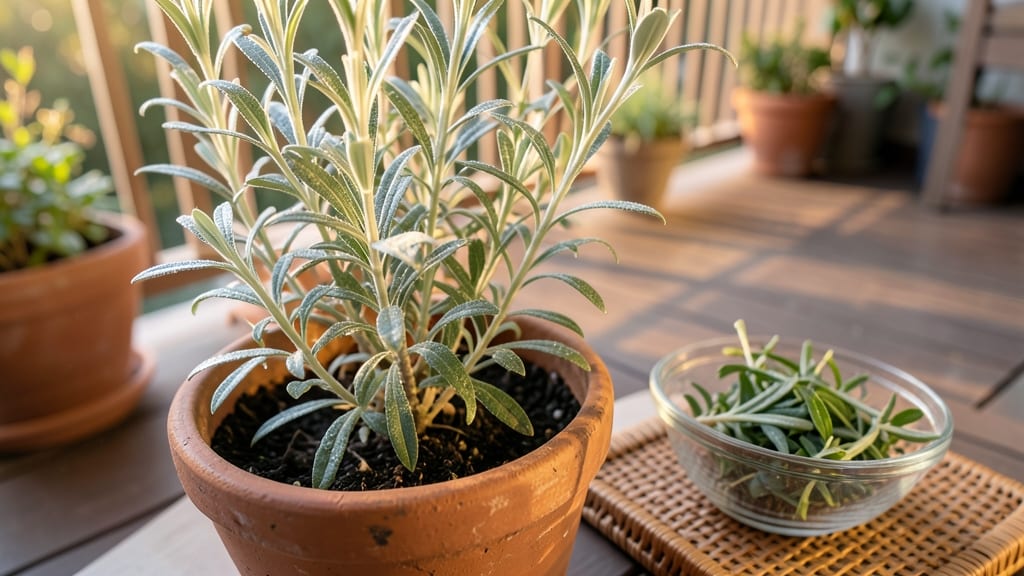
Growing tea tree in containers unlocks fragrant, medicinal plants for urban balconies or small patios. These container-specific tips ensure thriving tea trees with minimal space and maximum benefits.
Best Tea Tree Varieties for Containers
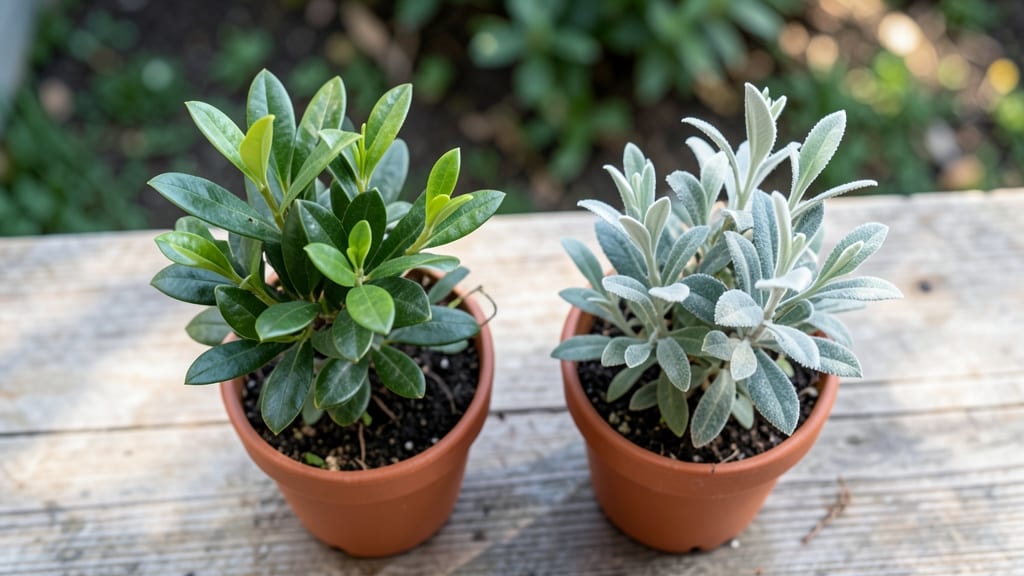
If you're dreaming of growing tea tree in containers but worry about space, these compact cultivars deliver big benefits without the bulk. Varieties like 'Aroona' and 'Tasmanian Blue' thrive in small pots while packing potent medicinal properties—perfect for urban gardeners or those with limited outdoor space.
The 'Aroona' cultivar grows just 3-4 feet tall with dense foliage, making it ideal for 12-inch containers. Its high essential oil content (up to 20%) means you get more therapeutic benefits from smaller plants. Meanwhile, 'Tasmanian Blue' boasts striking silver-blue leaves and a slightly slower growth rate, perfect for terracotta pots where you can enjoy its ornamental value year-round.
These varieties are especially great for beginners or those who want low-maintenance, high-reward plants. Their compact size also means you can grow multiple tea trees in small spaces, maximizing your harvest of fragrant leaves. 🌿
Optimal Container Size for Tea Trees
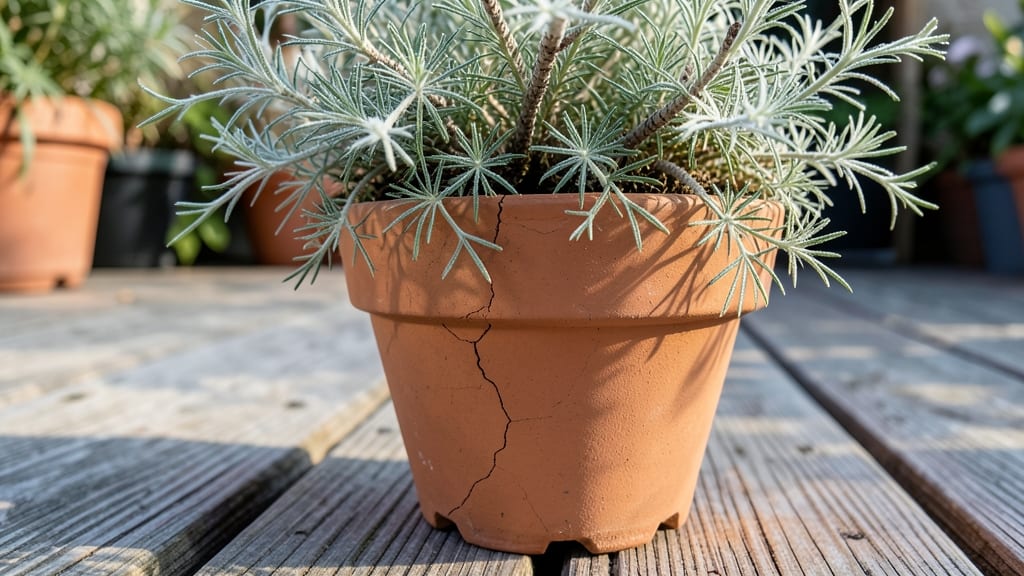
If your tea tree is struggling in a cramped pot, you’re not alone—12-18 inch containers are the sweet spot for young plants, giving roots room to spread without sacrificing stability. Unlike larger pots that dry out too slowly, these sizes balance moisture retention and airflow, preventing the dreaded root rot that plagues container tea trees.
Look for pots with multiple drainage holes (at least 3-4) to release excess water, and avoid plastic—terracotta or fiber pots wick moisture away naturally. For the first year, a 14-inch pot is ideal, while mature plants can graduate to 18 inches. Elevate containers slightly to improve drainage further in rainy climates.
This size range works perfectly for urban balconies or small patios, where space is limited but fragrance and medicine aren’t. With the right pot, your tea tree will thrive without the guesswork. 🌱
Well-Draining Soil Mix for Tea Trees
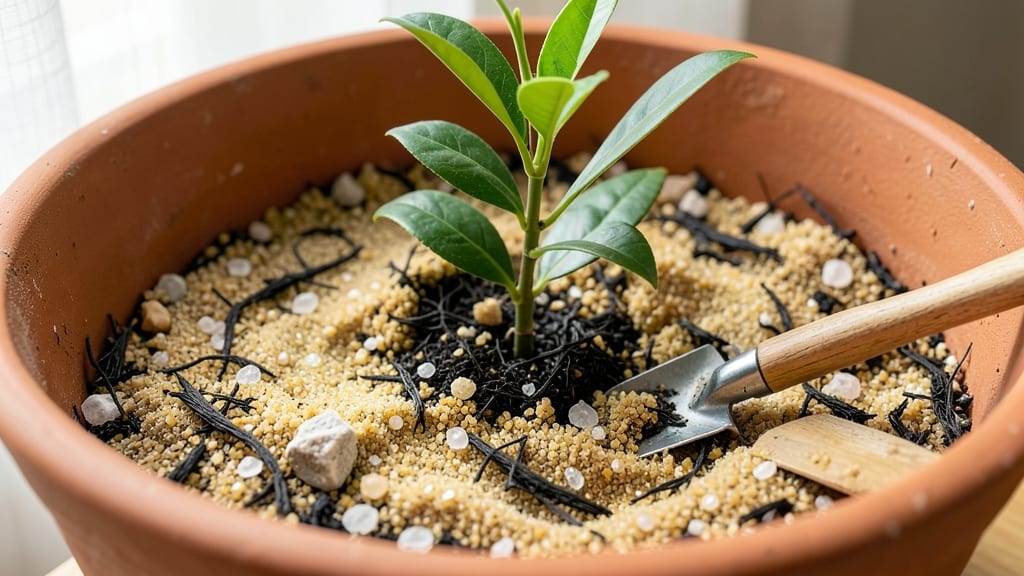
Tea trees thrive best when their roots mimic their native sandy, well-draining soil—and containers make this easier than ever with a custom mix. Skip the generic potting soil and create a blend that prevents root rot while encouraging strong growth.
For a perfect container soil mix, combine 50% peat moss (or coconut coir for sustainability), 30% coarse sand (or perlite), and 20% high-quality potting soil. This lightweight, airy blend replicates the tea tree’s natural habitat, allowing excess water to drain quickly while retaining just enough moisture. Add a handful of orchid bark for extra aeration if your climate is humid.
This mix is ideal for urban gardeners or anyone growing tea trees in pots, ensuring healthy roots and preventing the soggy soil that leads to fungal issues. Your tea tree will reward you with lush foliage and strong growth. 🌱
Sunlight Requirements for Container Tea Trees
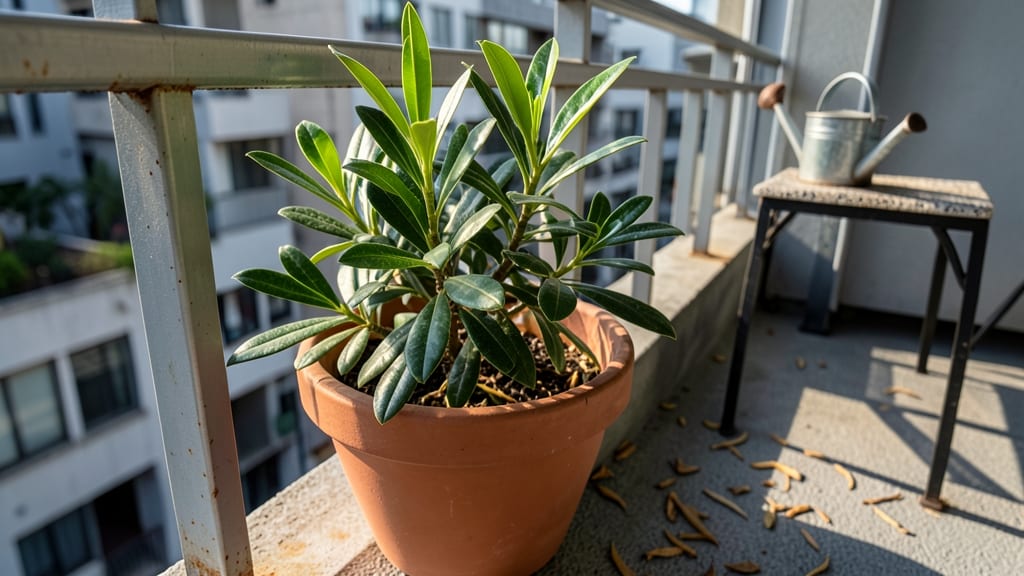
Even tea trees (Melaleuca alternifolia) need 6+ hours of direct sunlight daily, but urban balconies and small patios rarely deliver that much. The good news? With a few clever adjustments, you can still grow healthy, fragrant tea trees in less-than-ideal light.
Start by placing your container near reflective surfaces like white walls or light-colored fences to bounce extra sunlight onto your plant. In summer, move pots to sunnier spots, while winter’s lower sun angles mean you can shift them closer to windows or south-facing walls. If shade is unavoidable, choose the 'Aroona' variety, which tolerates slightly less light than others.
Urban gardeners with limited sun will appreciate these tweaks—they’re the difference between a struggling plant and one thriving in your small space. 💡
Watering Schedule for Potted Tea Trees
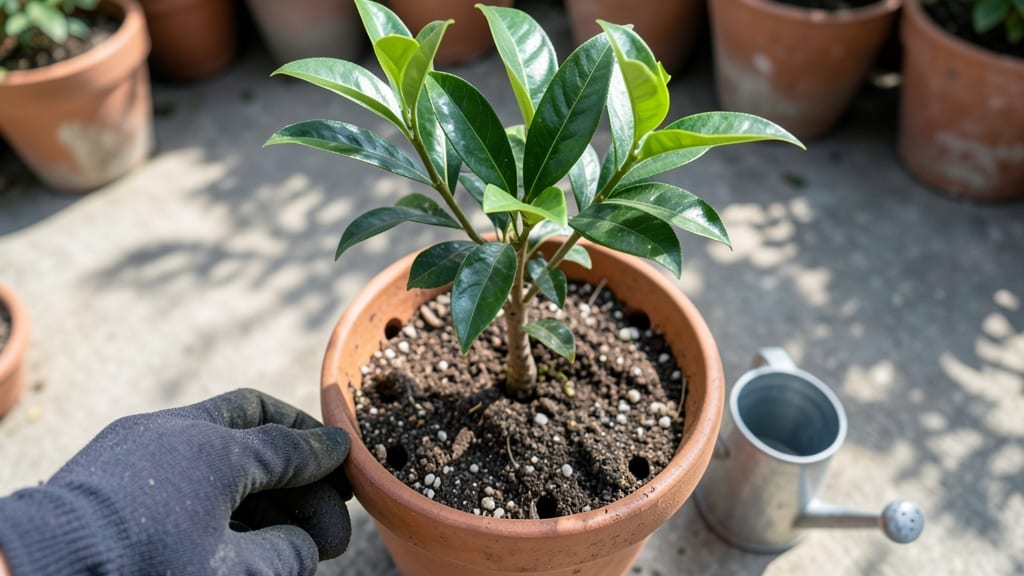
Tea trees in containers need a watering strategy as precise as their native Australian climate—too much or too little can stress your plant. Unlike in-ground plants, potted tea trees dry out faster, making moisture checks essential for their survival. The key? A science-backed finger-test that reveals exactly when to water without guesswork.
Stick your finger 1-2 inches deep into the soil. If it feels dry at this depth, it's time to water thoroughly until it drains from the pot's bottom. In summer heat, you may need watering every 2-3 days, while winter slows evaporation, requiring water every 7-10 days. Tea trees hate soggy roots, so always allow the top 1/3 of soil to dry between waterings—this mimics their drought-tolerant origins.
This method works for urban gardeners with busy schedules or those using self-watering containers. Mastering it ensures your tea tree stays healthy year-round, whether on a balcony or patio. 💡
Fertilizing Tea Trees in Small Containers
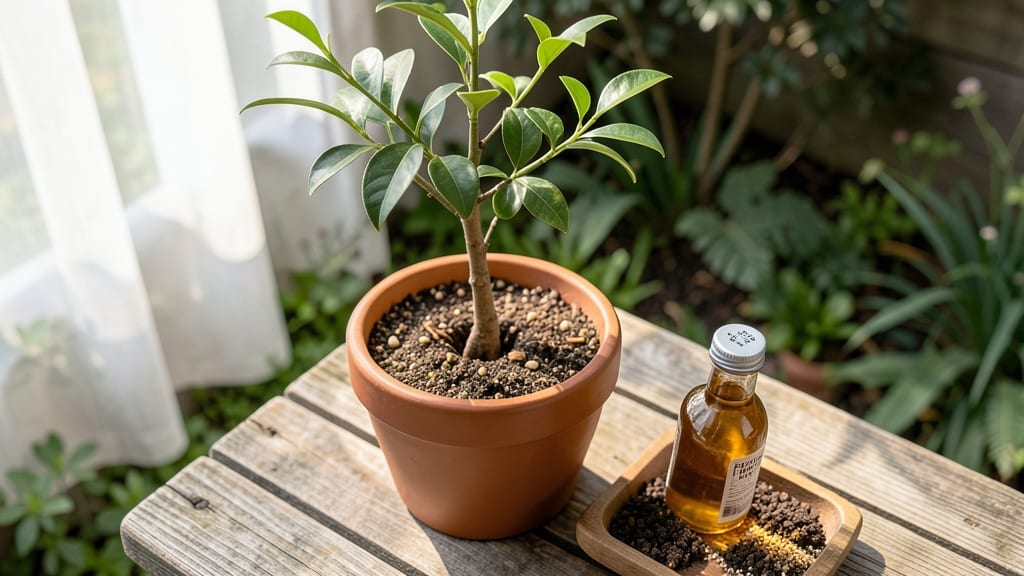
Tea trees grow slowly—so why rush their feeding? Slow-release organic fertilizers like worm castings or fish emulsion align perfectly with their natural growth pace, delivering nutrients without overwhelming roots in small containers.
Apply a balanced organic fertilizer (like 5-5-5) every 6-8 weeks during spring and summer, avoiding heavy doses that can burn delicate roots. For container plants, use half the recommended dose to prevent salt buildup in the limited soil volume. Tea trees thrive on consistency over intensity—think of it as a steady drip rather than a sudden flood. 🌱
Pruning Techniques for Compact Tea Trees
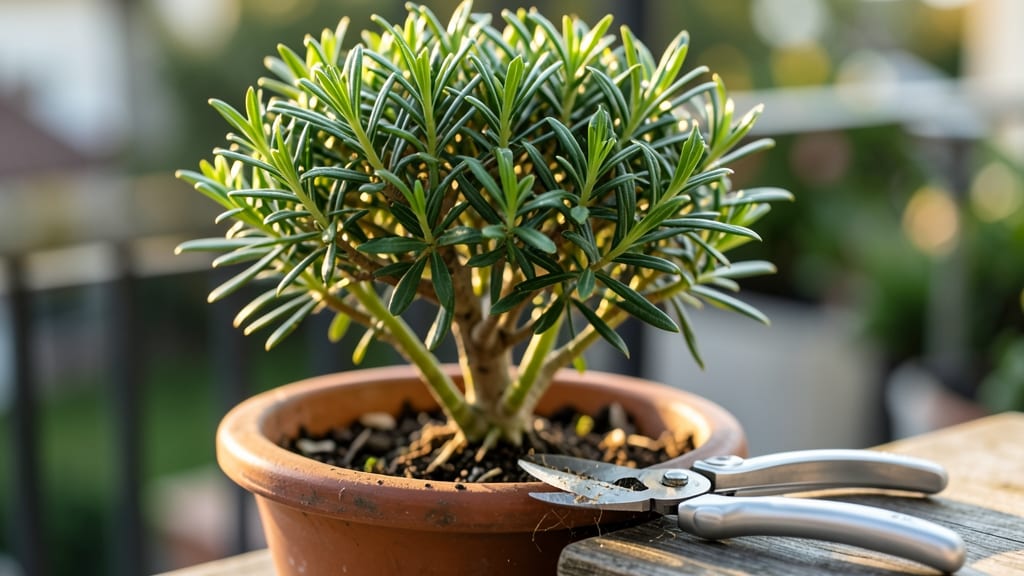
Transform your container tea tree from leggy to lush with these small-space pruning secrets designed for compact growth. Unlike traditional pruning, this method focuses on encouraging bushiness while keeping tools lightweight enough for tight spaces.
Start by using bypass pruners (not shears) to snip just above leaf nodes at a 45-degree angle to prevent water pooling. Trim back one-third of the longest branches in early spring to stimulate new growth, then lightly shape throughout summer. For extra fullness, pinch off the tips of new shoots to encourage branching—this works especially well for container-grown 'Aroona' varieties.
Urban gardeners with limited tools will love this approach—no heavy loppers needed! Regular pruning keeps your tea tree compact, healthy, and productive for years. 🌿
Pest Control for Container-Grown Tea Trees
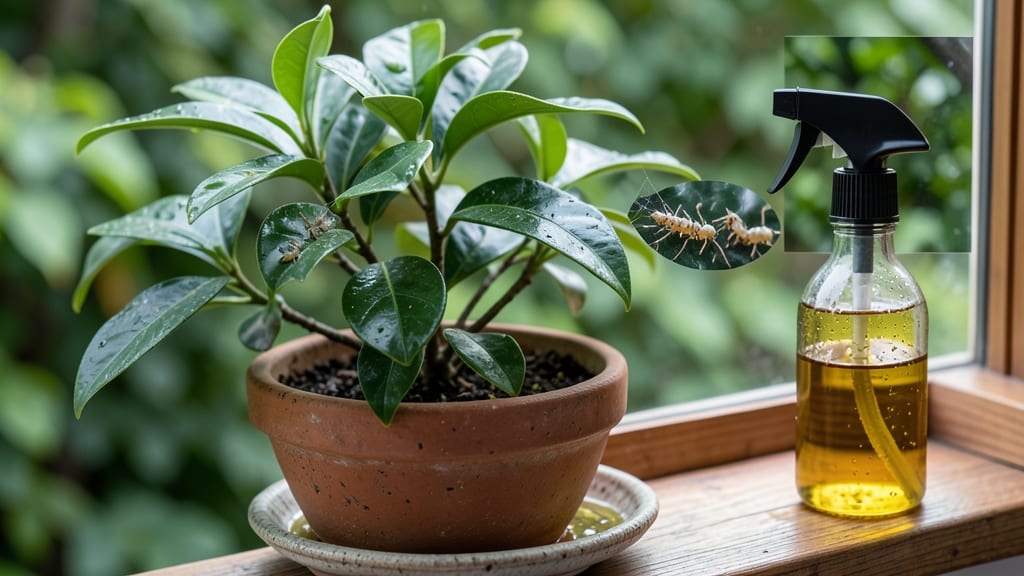
Container-grown tea trees face unique pest challenges—aphids and spider mites thrive in the confined, moist environments of pots. These tiny invaders can sap your plant's vitality, but organic solutions keep your tea tree healthy without harsh chemicals.
Start with neem oil spray (diluted with water) applied weekly during peak pest seasons—it disrupts aphid life cycles while being safe for plants. For spider mites, introduce predatory mites or wipe leaves with a damp cloth to remove webs. Preventative measures like spider mesh around container edges and regular pruning to improve airflow work wonders in small spaces.
Urban gardeners with limited space will appreciate these low-effort, high-impact strategies that protect your tea tree's medicinal properties. 💚
Winter Care for Potted Tea Trees
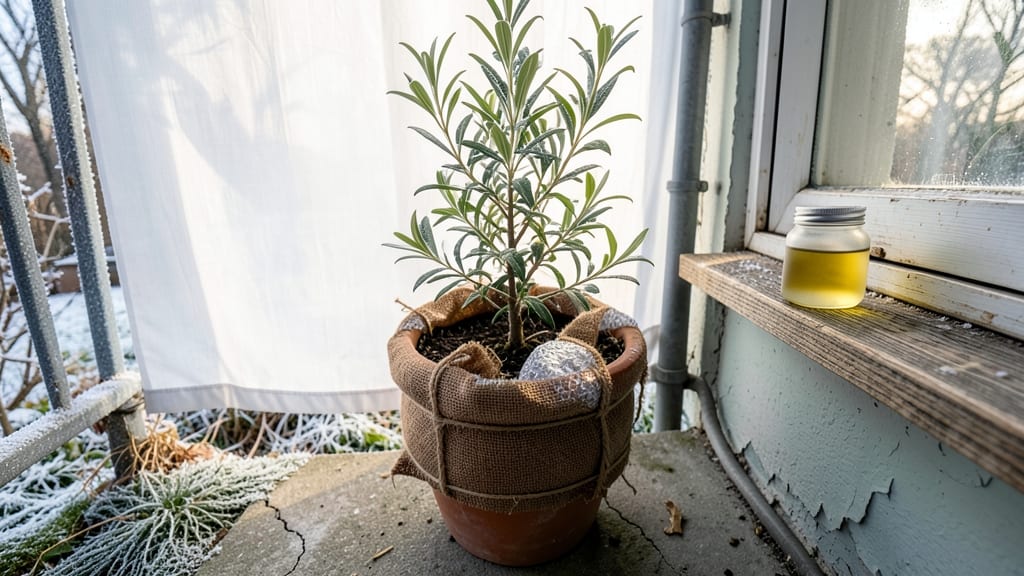
Urban gardeners can keep their tea trees thriving through winter with simple cold-hardiness tricks—no greenhouse required. Since container-grown tea trees are especially vulnerable to frost damage, proactive insulation is key to preserving your plant's health and medicinal properties.
Start by wrapping the pot in burlap or frost cloth before temperatures drop below 20°F. For extra protection, bury the container halfway in straw or move it against a south-facing wall to capture reflected sunlight. Reduce watering in winter (water only when the top inch of soil is dry) to prevent root rot from excess moisture in cold soil.
This method works perfectly for balcony gardeners and small-space growers who want to maintain their tea tree's medicinal value year-round. With these winter prep steps, your potted tea tree will bounce back stronger in spring. 💚
Harvesting Tea Tree Leaves from Containers

Ready to turn your container-grown tea tree into a source of natural essential oil? Harvesting at the right time and using proper methods ensures the highest quality yield from your small-space plants.
Harvest leaves in the late morning after dew has dried but before the heat of midday, when essential oil concentrations peak. Use clean, sharp scissors to snip younger, softer leaves (avoid woody stems) for the best potency. For containers, aim to harvest no more than one-third of the plant at a time to avoid stressing your tea tree.
Process fresh leaves immediately by steeping in food-grade oil (like olive oil) or drying them for later infusion. Urban gardeners with limited space will love that container tea trees can produce enough leaves for small batches of essential oil—just be patient, as mature plants yield the best results. ✨