
Pests
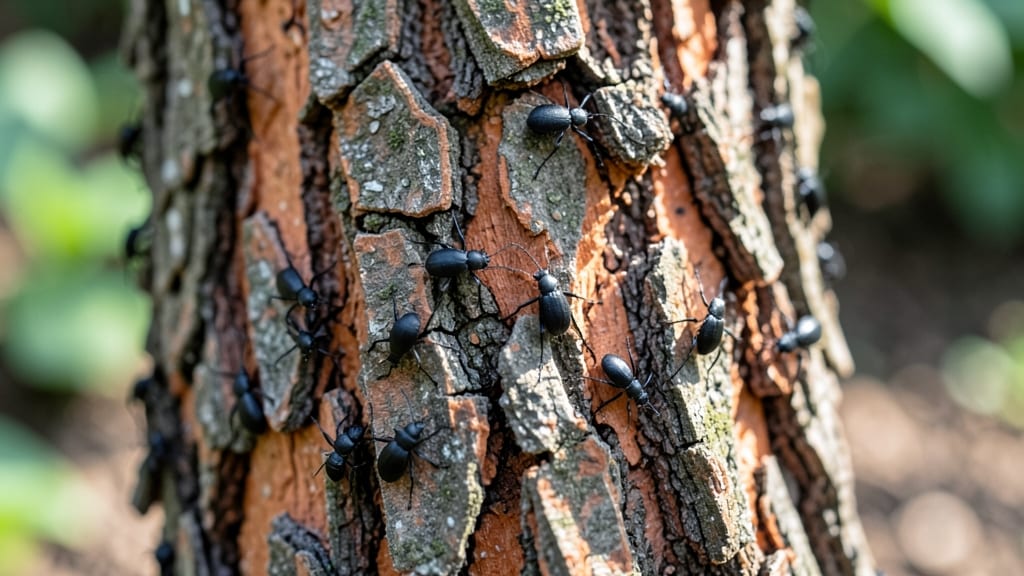
Those tiny black bugs crawling up your tree trunk aren’t just an annoyance—they could be bark beetles, ants, or sap-sucking pests silently weakening your tree. 🌳 I’ve seen healthy trees go from vibrant to struggling in months because of these tiny invaders, and the key to saving yours is acting fast.
First, identify the culprit: bark beetles leave behind sawdust-like frass, while ants often create trails or nests under loose bark. If you spot peeling bark or sticky sap, that’s your tree’s SOS signal. The damage starts small but spreads quickly, so don’t wait to check for these red flags.
With the right approach—organic sprays, pruning infested branches, or even inviting natural predators like ladybugs—you can kick these pests out in 3 simple steps. Your tree will bounce back stronger, and you’ll avoid costly arborist calls down the road.
Whether it’s a young sapling or a mature shade tree, these methods work for any size. Let’s get your tree back to thriving before winter sets in—here’s exactly how.
Root Causes of Tiny Black Invaders
Discovering tiny black bugs crawling on your tree trunk can be unsettling, but understanding why they’re there is the first step to reclaiming your yard. These uninvited guests don’t just appear out of nowhere—they’re drawn by specific conditions that make your tree an all-you-can-eat buffet.
Let’s break down the science behind their presence, so you can address the real reasons they’ve set up camp.
Tiny black bugs—like crawlers (e.g., bark beetle larvae, fungus gnats, or springtails)—are often attracted to trees that are already compromised. Here’s how moisture plays a role:
- Rotten or damp bark: Trees with cracks, wounds, or peeling bark create the perfect microclimate for moisture-loving pests. Fungi and bacteria thrive here, and so do the bugs that feed on them. Example: If your tree has a large split from a storm or a weak spot from pruning, it’s an open invitation.
- Overwatered soil: While trees need water, soggy soil can signal poor drainage, which attracts fungus gnats (tiny black flies) and their larvae. These pests lay eggs in moist, organic-rich soil, and their offspring will eventually migrate to the trunk.
- Sap oozing: Injured trees (from pests, disease, or physical damage) often leak sap, which ferments and attracts sugar-loving insects. Pro tip: If you see sticky residue on the trunk, it’s a red flag for both pests and the bugs that follow.
Actionable fix: Improve drainage around the tree’s base, prune dead branches to reduce entry points, and seal wounds with tree wound paint (if the damage is fresh). 🌡️ Key: Healthy bark = fewer pests.
Stressed trees are like neon signs for pests. When a tree is struggling—due to disease, nutrient deficiency, or environmental stress—it emits chemical signals that attract insects looking for an easy meal. Here’s what triggers this cycle:
| Stress Factor | How It Attracts Bugs |
|---|---|
| Nutrient deficiency (e.g., nitrogen, potassium) | Weakened defenses make it easier for bark beetles or borers to penetrate. Example: Yellowing leaves or stunted growth = a stressed tree. |
| Disease (e.g., powdery mildew, canker) | Fungal infections create entry points for beetles and other wood-boring insects. Example: Black sooty mold on leaves is a magnet for fungus-feeding bugs. |
| Competition (e.g., overcrowded roots, invasive plants) | Root stress weakens the tree’s immune system, making it vulnerable to secondary infestations. |
| Environmental factors (drought, extreme heat/cold) | Shocked trees produce volatile organic compounds (VOCs) that some insects use to locate struggling hosts. |
Actionable fix: Conduct a soil test to check nutrient levels, mulch properly (2–4 inches of organic mulch, kept 6 inches from the trunk), and water deeply but infrequently to avoid root rot. 💡 Remember: A thriving tree is the best pest deterrent.
Not all tiny black bugs are destructive—they’re just following their food chain. Here’s what’s on the menu for common tree trunk visitors:
- Fungal feeders: Bugs like springtails and fungus gnats thrive in bark crevices where mold or mildew grows. If your tree has epicormic shoots (sprouts from the trunk) or lichen, these are prime real estate for fungal-based diets.
- Sap and honeydew: Aphids, scale insects, and mealybugs excrete sticky honeydew, which attracts ants and other scavengers. If you see ants trailing up your tree, they’re likely farming these sap-suckers—and the black bugs are hitching a ride.
- Decaying wood: Beetle larvae (like powderpost beetles) burrow into soft, rotting wood. If your tree has heartwood decay (common in oaks, elms, or fruit trees), it’s a buffet for wood-eaters.
Actionable fix: Remove honeydew-producing pests with insecticidal soap, and treat fungal growths with copper-based fungicides. For decay, consult an arborist to assess structural damage. ✨ Prevention tip: Healthy trees resist infestations longer.
Now that you know why these tiny black bugs are crashing your tree’s party, the next step is identifying the specific culprits—because not all bugs require the same eviction notice. Stay tuned!
How to Fix Tiny Tree Invaders
Discovering tiny black bugs on your tree trunk can feel like an unwelcome surprise, but don’t worry—there’s a solution for every situation. Whether you’re dealing with sap-sucking pests, wood-boring critters, or fungal hitchhikers, these targeted fixes will help you reclaim your tree’s health.
Below, we’ve mapped out the best approaches based on the most common causes, along with prevention tips to keep your tree pest-free long-term.
🐛 Cause: Sap-Sucking Pests (Aphids, Scale, or Mealybugs)
These tiny black bugs (or their nymphs) cluster on tree bark, leaves, or branches, draining sap and leaving behind sticky residue called honeydew. If you spot them, act fast—they multiply quickly!
- 🍳 Manual Removal (Early Stages)
- Use a strong stream of water from a hose to dislodge bugs from bark and foliage. Repeat every 3–5 days for 2 weeks.
- For stubborn clusters, dab them with a cotton swab dipped in rubbing alcohol (70% isopropyl). This dehydrates them without harming the tree.
- 👨🍳 Natural Insecticides
- Neem oil spray: Mix 1 tbsp neem oil + 1 tsp mild soap in 1 quart of water. Spray thoroughly on bark and leaves. Reapply every 7–10 days until pests disappear.
- Insecticidal soap: Apply directly to bugs (avoid hot days—it can burn leaves). Test on a small area first.
- 🥘 Biological Control
- Introduce ladybugs or lacewings (available at garden centers). These predators feast on aphids and scale insects naturally.
🪲 Cause: Wood-Boring Beetles (Bark Beetles, Ambrosia Beetles)
If you see tiny holes, sawdust-like frass, or galleries under the bark, you’re likely dealing with beetles that tunnel into the wood. These can weaken—or even kill—your tree if left unchecked.
- 🔪 Prune and Treat Infested Branches
- Cut off heavily infested branches 6–12 inches below the damage. Seal the cuts with pruning paint to prevent further entry.
- For large trees, consult an arborist—they may recommend injection treatments with systemic insecticides like imidacloprid.
- 🌡️ Heat or Cold Treatment (For Small Trees)
- Freezing: In winter, wrap the trunk in burlap and soak it with water, then cover with plastic. Freezing temps will kill exposed beetles.
- Keep your tree
🍄 Cause: Fungal or Algae Hitchhikers (Moss, Lichen, or Fungus Gnats)
While not bugs themselves, these organisms create the perfect hiding spot for pests like springtails or fungus gnats. A damp, shaded tree trunk is their ideal home.
- ✨ Clean the Bark
- Scrub the trunk and lower branches with a
- For stubborn moss/lichen, use a 50/50 vinegar-water solution (test on a small area first—vinegar can bleach some tree types).
- Thin out dense foliage to allow sunlight and air to reach the trunk.
- If your tree is in a shady, humid area, consider
- Replace thick mulch near the trunk with
An ounce of prevention is worth a pound of cure! Follow these tips to make your tree less appealing to tiny black bugs:
- 🌱 Regular Inspections: Check your tree trunk and branches monthly, especially in spring and fall when pests are most active.
- 💦 Water Wisely: Overwatering creates a damp environment that attracts fungus and pests. Water at the base, not the trunk.
- 🍃 Healthy Tree = Strong Defense: Mulch properly (2–4 inches deep, kept 6 inches away from the trunk) and fertilize with balanced, slow-release nutrients.
- 🌳 Avoid Over-Pruning: Stress from aggressive pruning weakens trees, making them more vulnerable to infestations.
With the right approach, you can banish tiny black bugs from your tree trunk and keep your tree thriving. Start with identification, apply the fix that matches your pest problem, and stay vigilant to prevent future visits from these unwanted guests!
Frequently asked questions
Are tiny black bugs on my tree trunk always harmful?
Not all tiny black bugs are destructive! Some, like springtails or fungus gnats, feed on decaying bark or fungal growths and don’t harm healthy trees. However, if you see sawdust-like frass (bark beetles) or sticky honeydew (aphids/scale), they’re causing damage. Focus on identifying the specific bugs before treating.
What’s the fastest way to tell if they’re bark beetles?
Look for three key signs: tiny holes in the bark (beetle entry/exit points), sawdust-like frass (their waste), and peeling bark. Bark beetles are the most dangerous—if you spot these, act within 2 weeks to prevent tree death. Check the base of the trunk and branch junctions first.
Can I use vinegar to kill these bugs?
Vinegar works for some pests but isn’t a universal solution. A 50/50 vinegar-water mix can kill ants or soft-bodied insects like aphids on contact, but it won’t penetrate bark to reach beetle larvae. For deep infestations, combine vinegar sprays with neem oil or insecticidal soap for better results.
Will bird feeders attract more tiny black bugs?
Yes! Bird feeders can draw ants, aphids, and beetles searching for food scraps or nesting spots. Keep feeders 20+ feet away from trees, clean them weekly, and use ant moats (water-filled barriers) to block trails. If bugs persist, switch to a suet feeder (less attractive to pests).
How often should I check my tree for reinfestation?
Inspect your tree monthly during spring and fall (peak pest seasons), and weekly if you’ve had a past infestation. Focus on the trunk, branch junctions, and undersides of leaves. Early detection is key—catching pests before they spread saves time and money on treatments.