
Trees
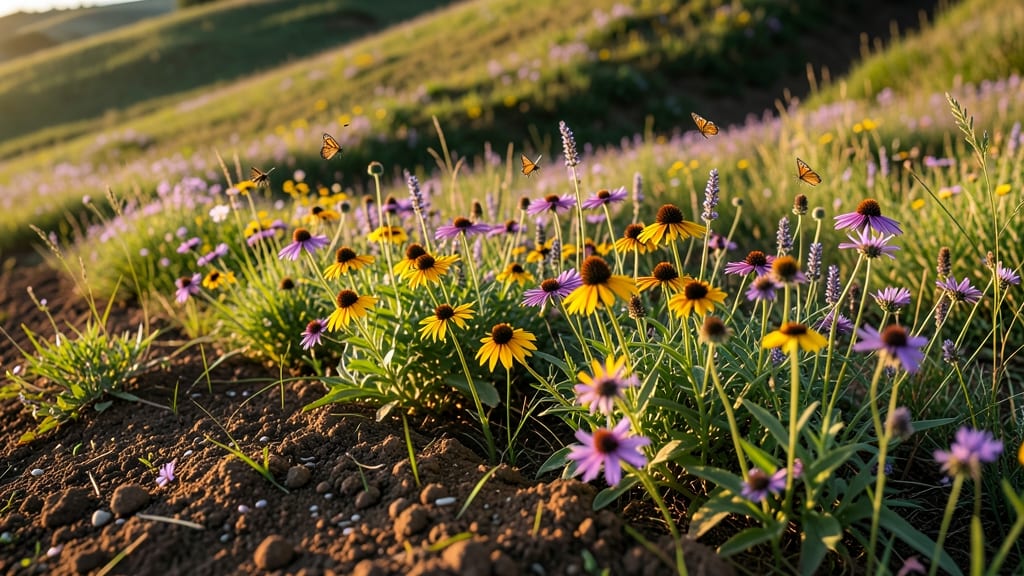
Tired of noisy neighbors or unsightly fences? Tree berms offer natural, living privacy that grows more beautiful each year. These 10 creative designs blend seamlessly with your landscape while providing lasting solutions for noise reduction and visual barriers.
Evergreen Hedge Berm with Boxwood Foundation
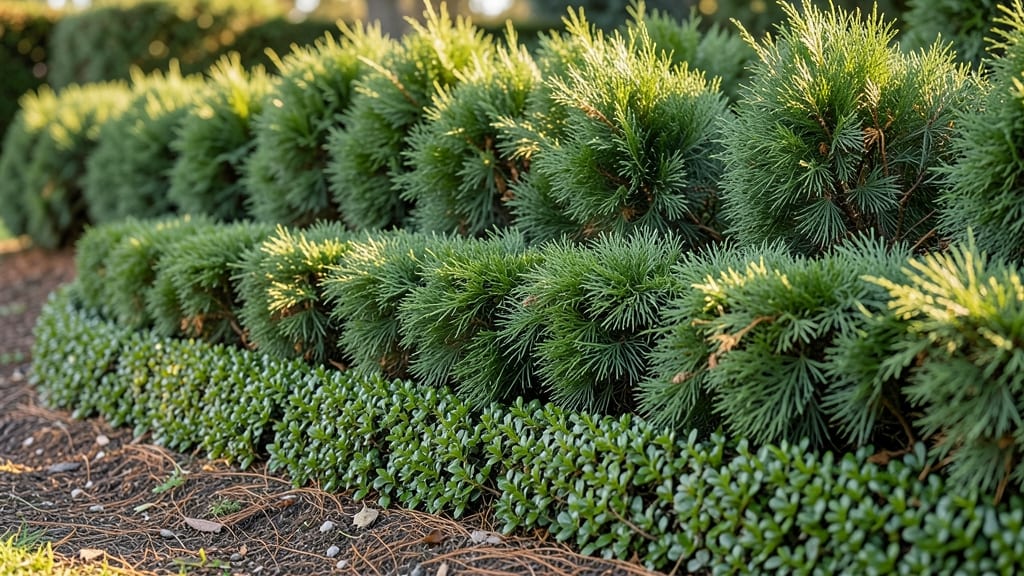
Want a year-round privacy screen that looks refined without the upkeep of a traditional hedge? An evergreen hedge berm with a boxwood foundation delivers both structure and softness, creating a living wall that thrives in nearly any climate.
Plant arborvitae or emerald green thuja along the berm’s top for dense, evergreen coverage, while boxwood borders at the base add clean lines and easy trimming. This combo works best in full sun to partial shade, with well-drained soil—ideal for urban backyards or suburban properties. The boxwood’s compact growth keeps maintenance simple, while the evergreens provide sound-dampening privacy instantly.
Perfect for homeowners who crave a polished, low-maintenance solution that blends with formal or cottage-style gardens. 💚
Fast-Growing Willow Tree Berm Barrier
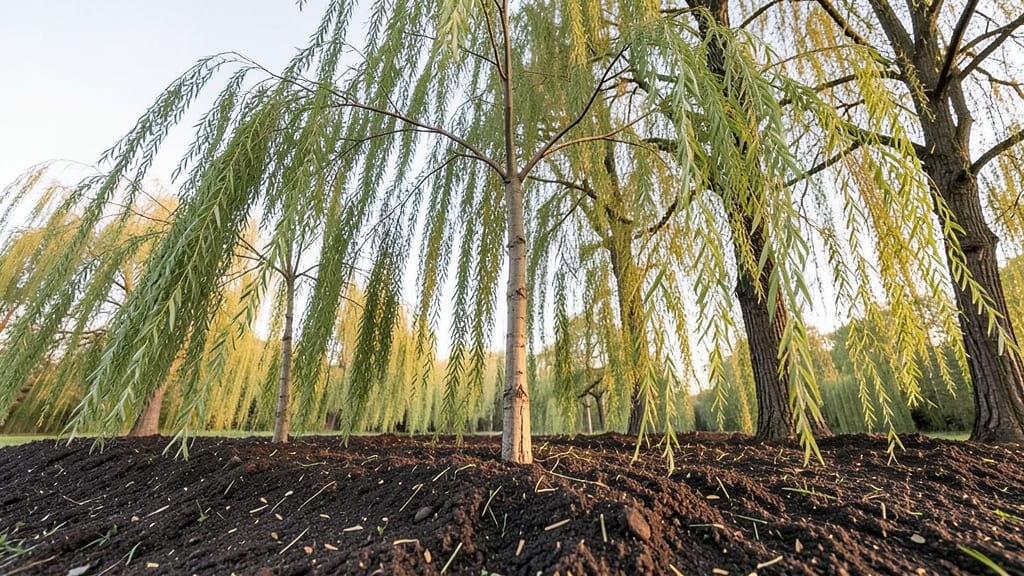
Need a noise-blocking barrier that grows faster than your patience for traditional fencing? Weeping willow trees planted in a berm create a lush, flexible screen in just 2-3 years, making them ideal for rural properties where privacy is a priority but time is limited.
Willows thrive in moist soil, so shape your berm along a natural water source or install a simple irrigation system to keep roots hydrated. For maximum impact, plant young trees 8-10 feet apart in a gently sloping berm to encourage dense growth. Their cascading branches soften harsh lines while absorbing sound better than most hard barriers.
This solution is perfect for landowners with windy or open properties who want to reduce noise from roads or neighboring fields. Just be mindful of their aggressive root systems—plant them at least 20 feet from structures to avoid foundation issues. 🌿
Mixed Native Shrub Berm for Wildlife
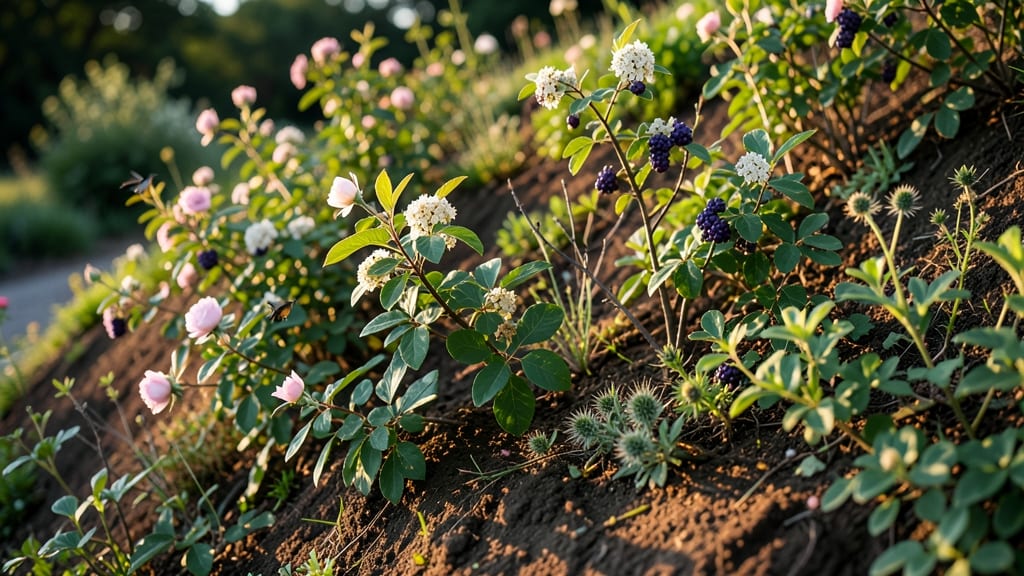
Skip the plastic fence and create a thriving ecosystem instead! A mixed native shrub berm transforms your property into a wildlife haven while offering subtle privacy. This design blends serviceberry, elderberry, and other native shrubs to provide food and shelter for birds, butterflies, and pollinators year-round.
Native shrubs like serviceberry (with its white spring blooms and edible berries) and elderberry (known for its fragrant summer flowers and dark fruit) thrive with minimal care. Plant them in a gently sloped berm to create natural layers and encourage wildlife movement. The seasonal color changes—from spring blooms to autumn foliage—keep your garden dynamic without high maintenance.
Perfect for eco-conscious gardeners, this berm supports local ecosystems while reducing your need for chemical treatments. It’s an ideal choice for those who want beauty, function, and sustainability in one. 🌿
Bamboo Clump Berm for Tropical Privacy
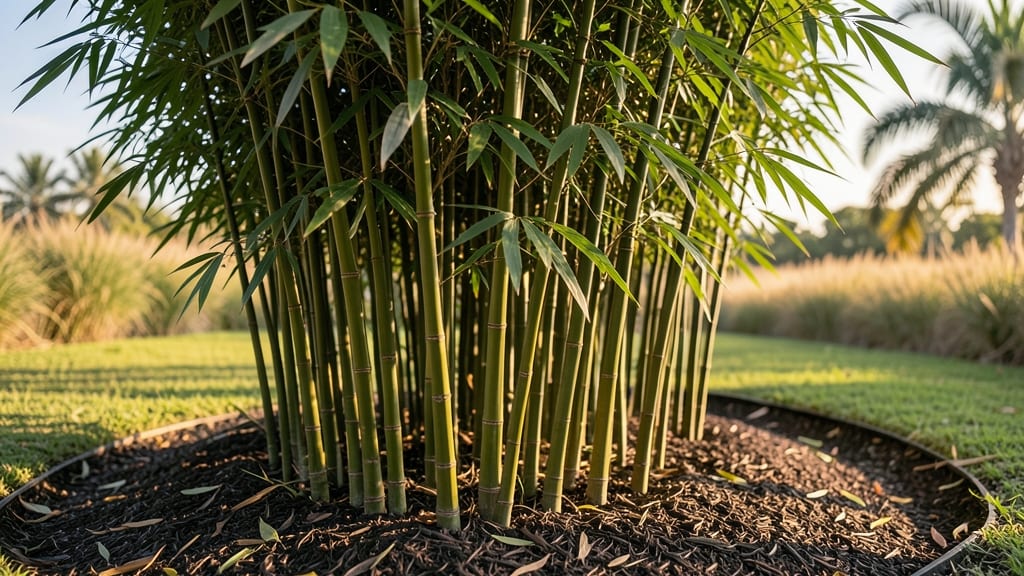
Transform your backyard into a lush tropical retreat with a bamboo clump berm—the ultimate low-maintenance privacy solution for warm climates. Unlike running bamboo that spreads aggressively, clumping varieties like Bambusa multiplex or Fargesia stay neatly contained while creating a dense, screen-like barrier that grows taller each year.
Plant your bamboo in a sunny to partially shaded berm (6+ hours of sun for best growth) with well-draining soil. Space clumps 3-5 feet apart to allow for natural expansion, and mulch around the base to retain moisture and suppress weeds. These varieties thrive in USDA zones 5-10, making them ideal for coastal, desert, or subtropical gardens.
Perfect for gardeners who crave dramatic visuals without the upkeep, this design adds height, texture, and a touch of exotic beauty to any landscape. Just add a few palm trees nearby, and you’ve got instant tropical vibes! 🌿
Fruit Tree Berm with Edible Privacy
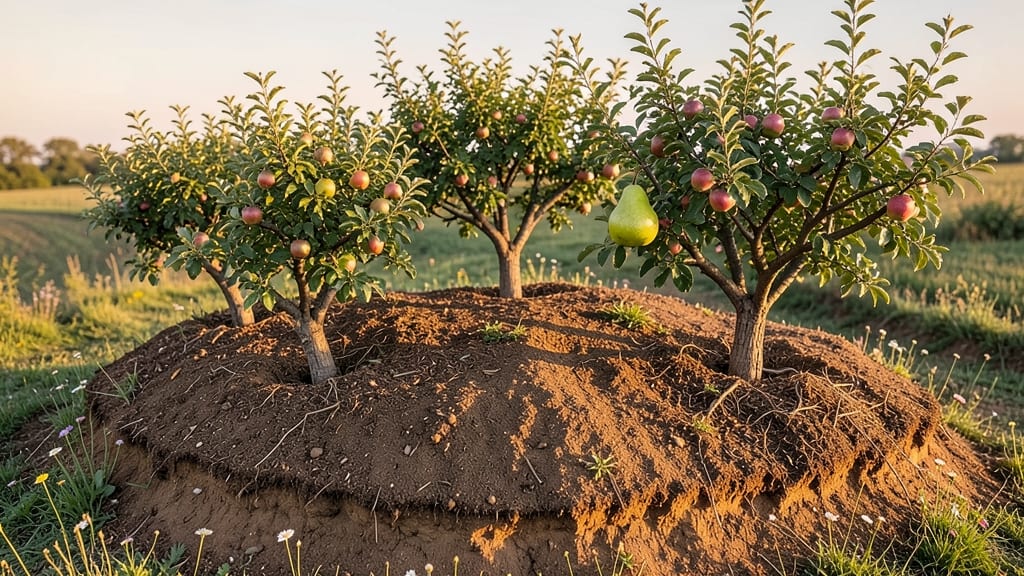
Want a privacy screen that doubles as your next harvest? A fruit tree berm transforms your property line into a productive, living barrier—think apple trees or pear trees planted in a gently sloped mound that blocks noise and eyes while bearing fruit.
Start by selecting dwarf or semi-dwarf varieties (like Honeycrisp apples or Bartlett pears) to save space while still producing abundant harvests. Plant them in a 3-4 foot high berm with well-draining soil amended with compost. The mound’s shape naturally directs growth outward, creating a dense screen within 3-5 years. Mulch the base to retain moisture and suppress weeds—this design thrives in full sun to partial shade and handles suburban conditions beautifully.
Perfect for suburban gardeners who crave both privacy and productivity, this solution turns your fence line into a year-round asset. Plus, the seasonal blooms and harvests make it the most rewarding (and delicious) privacy screen around. 🌟
Cedar Windbreak Berm for Coastal Areas
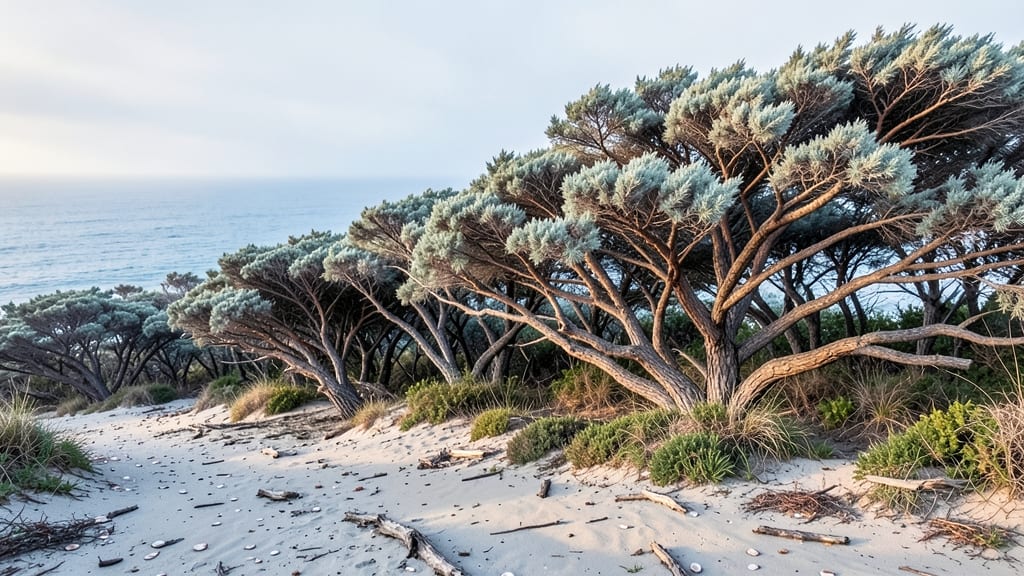
If you live near the coast, you know how relentless ocean winds can be—but eastern red cedar turns that challenge into a solution. This hardy, salt-tolerant tree thrives in sandy, windy conditions, making it the perfect choice for coastal windbreak berms that protect your property while adding natural beauty.
Plant eastern red cedar in a slightly elevated berm to create a windbreak that reduces erosion and muffles noise. These trees grow slowly but develop dense, aromatic foliage that repels pests while offering year-round privacy. Their deep root systems stabilize sandy soil, preventing drift and keeping your landscape intact.
Coastal homeowners and beachfront gardeners will love how cedar berms blend seamlessly with ocean views while standing up to salty air and strong breezes. 🌿
Flowering Tree Berm with Seasonal Color
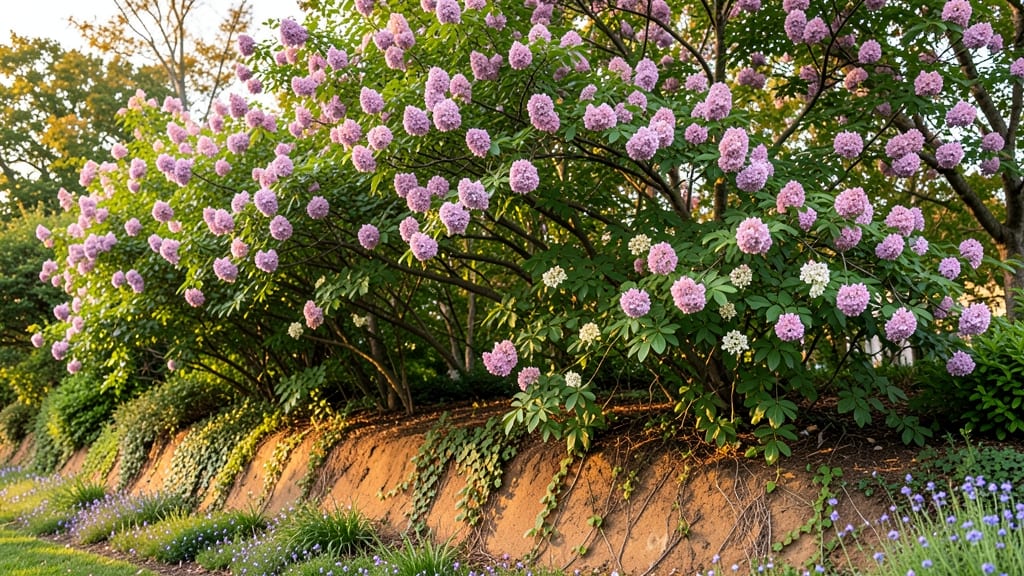
Turn your property into a living canvas with a flowering tree berm that delivers year-round color while keeping prying eyes out. Unlike evergreen screens that offer just green foliage, this design combines crape myrtle with its summer blooms and dogwood for springtime splendor—plus, the mature foliage provides natural privacy when flowers fade.
Plant trees like Kousa dogwood (with its fragrant white blooms) or Natchez crape myrtle (known for its lavender-pink flowers) along a gently sloping berm. Space them 8-10 feet apart for full coverage in 5-7 years. Mulch the base to retain moisture and suppress weeds, while pruning lightly after flowering ensures healthy growth. This design thrives in full sun to partial shade and handles most soil types.
Perfect for gardeners who crave seasonal color changes, this berm transforms your yard from a simple privacy screen into a living work of art. 🌻
Privacy Fence Alternative with Ornamental Grasses
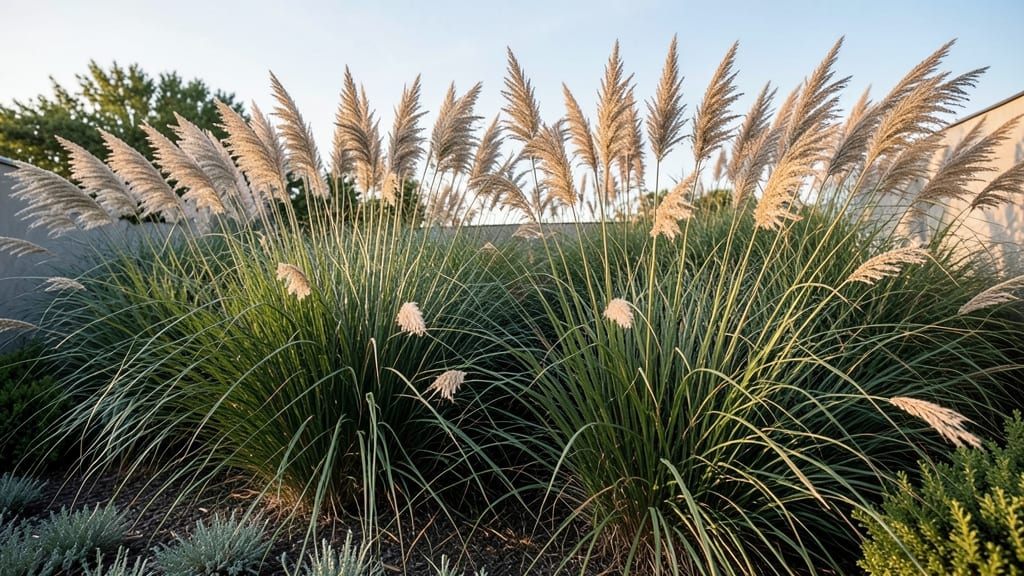
Skip the rigid fence and opt for a living privacy screen that dances with the wind—ornamental grasses like Miscanthus sinensis or Panicum virgatum create soft, textured barriers that grow taller than most people. These grasses thrive in modern landscapes, offering year-round structure with minimal upkeep compared to traditional hedges.
Plant clumping varieties in a curved berm design for natural movement, and choose drought-tolerant types like Miscanthus 'Zebrinus' for low-water zones. Their feathery plumes add seasonal interest, while their dense growth blocks views without blocking light. For contrast, pair them with Carex or Hakonechloa for layered texture.
This solution is perfect for urban gardeners or minimalist landscapes where you want privacy without the maintenance of trees or shrubs. Just add mulch to keep weeds at bay—your berm will thrive with almost no effort. 🌿
Vine-Covered Berm with Trellis Support
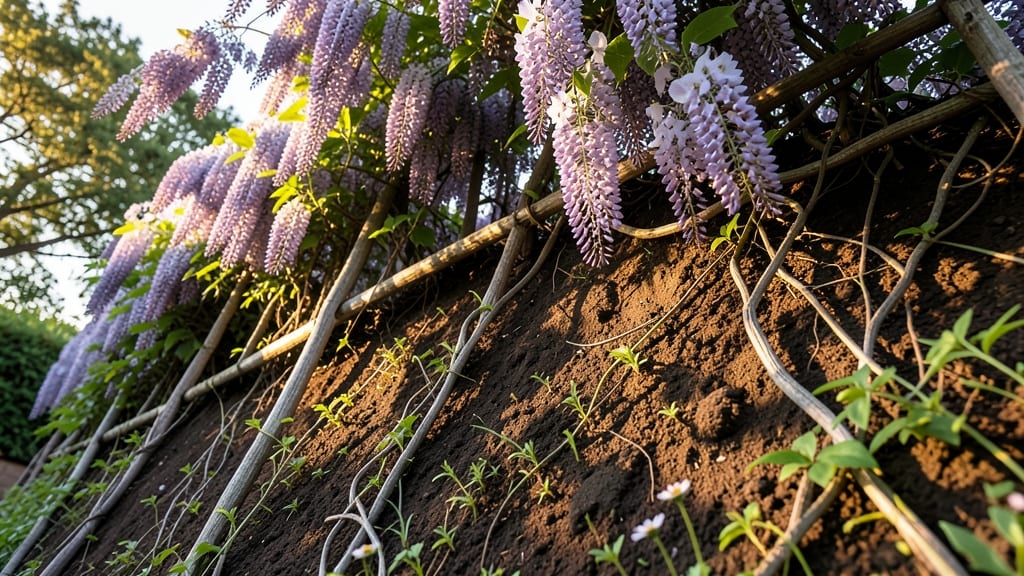
Turn your small yard into a lush, romantic privacy oasis with a vine-covered berm—where fast-growing climbers like clematis or wisteria transform vertical space into a living screen. This space-saving design lets you reclaim ground-level room while creating a fragrant, flowering barrier that evolves over time.
Build a gently sloping berm along your property line, then install sturdy trellises or arbors at the top. Plant wisteria for fragrant spring blooms or clematis for vibrant summer color, both of which thrive with 6 hours of sun and well-draining soil. Prune vines in late winter to encourage bushier growth and prevent overcrowding on trellises.
Perfect for urban gardeners or anyone with limited space, this design offers year-round greenery and seasonal interest without sacrificing square footage. Plus, the vertical growth pattern adds drama to narrow properties. 🌿
Wildflower Meadow Berm for Pollinators

Skip the rigid privacy fence—your yard deserves a living, buzzing wildflower berm that doubles as a pollinator paradise. This eco-conscious design transforms bare slopes into soft, colorful screens while supporting local ecosystems with every bloom.
Start by shaping a gentle berm (2-3 feet high) along your property line, then plant a mix of native wildflowers like black-eyed Susans, purple coneflowers, and bee balm. These hardy perennials thrive in full sun with minimal water once established, offering year-round interest from early spring blooms to late-fall seed heads. Mow paths through the meadow to maintain access while encouraging biodiversity.
This option is perfect for gardeners who want low-maintenance beauty without sacrificing ecology. Watch as butterflies, bees, and hummingbirds turn your berm into a thriving ecosystem—all while creating a natural, ever-changing privacy screen. 🌻