
Diseases
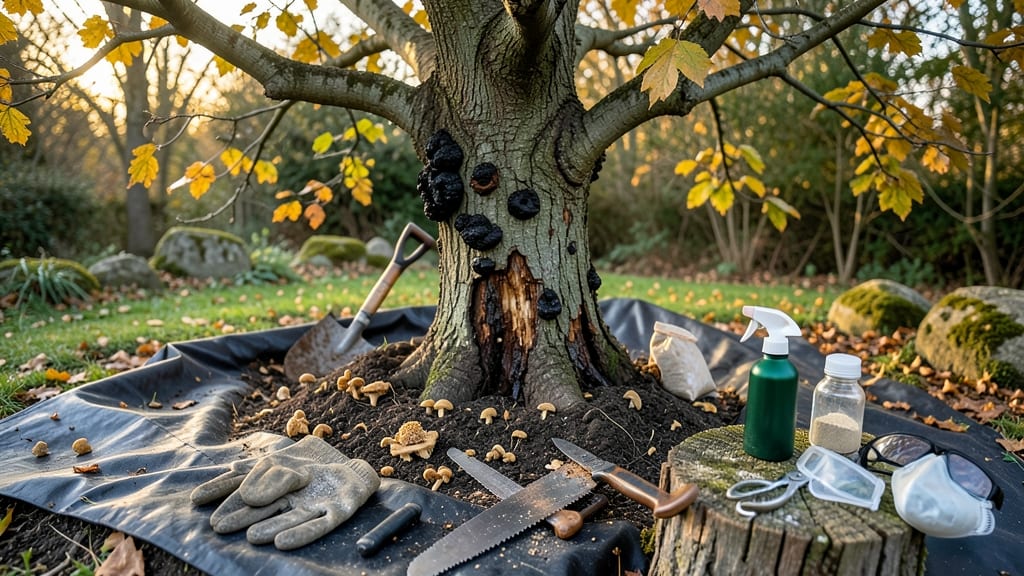
Tree fungus removal in Aledo is turning your once-vibrant trees into sad, spotty shadows—but there’s a solution. 🌿 The copper spray cure works where fungicides fail, and it’s safer for kids, pets, and the local ecosystem. I’ve seen it transform struggling oaks and pecans into vibrant giants within weeks, even in our humid summers.
Most gardeners overlook the simple fixes: pruning infected branches first, spraying when humidity peaks (early morning), and reapplying every 10-14 days during outbreaks. Copper spray isn’t just effective—it’s a preventive powerhouse when used right.
You’ll need basic tools: pruners, a sprayer, and a 3-pound bag of copper fungicide for small trees.
By late summer, your trees will look like they did five years ago—dense foliage, no spots, and no more powdery residue. The key is consistency: treat early, monitor weekly, and don’t let mildew build up. Even our stubborn pecans respond within 3-4 weeks of proper care.
For stubborn cases or large trees, call a local arborist—especially if the fungus has spread to the trunk. But for most backyards, this method works like a charm. Let’s get those leaves green again!
Root Causes Of Tree Fungus
Fungal infections in trees—like the dreaded black spot or powdery mildew—don’t just appear out of nowhere. They thrive when specific conditions align, often tied to environmental stress, poor tree health, or even human activity. Understanding these triggers helps you take action before fungi take over your Aledo trees.
Fungi love water—it’s their lifeline for spreading spores and colonizing weak tree tissue. Here’s how moisture becomes a problem:
- Overwatering or Heavy Rainfall 💧 Trees in Aledo’s humid climate (especially during spring and fall) are vulnerable when soil stays soggy.
Fungal spores germinate rapidly in damp conditions, leading to infections like black spot (Diplocarpon mespili) or root rot (Armillaria). - Actionable fix: Improve drainage with raised beds or gravel layers. Avoid overhead watering at dusk.
- Poor Air Circulation 🌬️ Dense foliage or crowded trees trap moisture, creating a humid microclimate perfect for powdery mildew (Erysiphe species). Shady, low-light areas worsen the issue.
- Actionable fix: Prune to open the canopy and space trees 6–10 feet apart.
- Waterlogged Soil 🏞️ Clay-heavy soils in Aledo retain water, suffocating roots and inviting Phytophthora (a water mold). Weak roots can’t fight off fungal invaders.
- Actionable fix: Test soil pH (ideal: 6.0–7.0) and amend with compost to improve aeration.
Healthy trees resist fungi, but stress makes them easy targets. Common stressors include:
- Nutrient Deficiencies 🍃 Trees lacking magnesium, nitrogen, or zinc (common in Aledo’s alkaline soils) produce weak leaves—prime real estate for fungi. Yellowing leaves or stunted growth signal trouble.
- Actionable fix: Conduct a soil test and apply balanced fertilizers (e.g., 10-10-10) in early spring.
- Physical Damage ⚔️ Cracks from hail, storm breaks, or improper pruning create entry points for spores. Even insect wounds (e.g., from borers) can invite fungal colonization.
- Actionable fix: Seal wounds with pruning paint (for cuts > ½ inch) and remove damaged limbs promptly.
- Drought Stress 🌵 While fungi need moisture, prolonged drought weakens trees, making them susceptible to sudden fungal attacks when rain finally comes. Think of it as a "stress fracture" for trees.
- Actionable fix: Deep-water trees weekly during dry spells (1–1.5 inches per week).
Fungi don’t just appear—they hitchhike on wind, tools, or even wildlife. Here’s how they jump from tree to tree:
- Windborne Spores 💨 Powdery mildew spores travel miles on breezes, while black spot spores splash via raindrops. Aledo’s spring winds are a major culprit.
- Actionable fix: Remove infected leaves/debris immediately and avoid planting susceptible trees (e.g., roses, lilacs) too close together.
- Contaminated Tools ⚠️ Pruners, saws, or even gloves can transfer spores between trees. A single cut with an unsterilized tool can introduce fungus to a healthy tree.
- Actionable fix: Clean tools with 70% isopropyl alcohol or bleach water (1:10 ratio) between uses.
- Wildlife & Birds 🦉 Animals spread fungal spores via their feet or droppings. For example, squirrels can carry honey fungus (Armillaria) spores from infected wood to healthy trees.
- Actionable fix: Inspect tree bases for fungal growth and remove nearby infected wood or mulch.
Aledo’s hot summers and mild winters create a near-perfect fungal growth zone. Key seasonal risks:
| Season | Fungal Threat | Why It Happens | Prevention Tip |
|---|---|---|---|
| Spring | Powdery mildew, black spot | Cool nights + warm days = high humidity | Apply copper fungicide before buds swell |
| Fall | Root rot, leaf spots | Decaying leaves trap moisture | Rake leaves away from tree bases |
| Winter | Dormant-phase spores | Spores survive on bark, ready for spring | Prune in dry weather to avoid spreading |
Even well-meaning actions can backfire:
- Over-mulching 🪓: A thick mulch layer (over 3 inches) smothers roots and traps moisture, inviting Armillaria (honey fungus).
- Ignoring Pruning Basics ✂️: Cutting too close to the trunk or leaving stubs creates perfect fungal entry points.
- Using Infected Plant Material 🌱: Buying or grafting infected nursery stock introduces pathogens directly into your yard.
Step-by-Step Fungus Removal Guide
Fungal infections like black spot and powdery mildew can weaken your trees, but with the right approach, you can restore their health. Below are practical, actionable solutions tailored to common causes of tree fungus in Aledo, along with prevention tips to keep your trees thriving.
Before treating, confirm the type of fungus you’re dealing with:
- Black Spot: Dark spots (often with yellow halos) on leaves, common in roses, oaks, and maples.
- Powdery Mildew: White, powdery patches on leaves, stems, or fruit (affects apples, pears, and lilacs).
- Root Rot: Mushrooms at the base of the tree or wilting despite adequate water.
Pro Tip: 💡 Use a hand lens (magnifier) to inspect leaves up close. Snap a photo and compare it to online guides or consult a local arborist in Aledo for a definitive ID.
Copper-based sprays are highly effective against black spot and powdery mildew due to their fungicidal properties. Here’s how to apply them safely:
1.
Copper Fungicide Application 🔪 - When to Apply: - Preventive: Spray before symptoms appear (early spring or after rain). - Curative: Treat at first sign of fungus (morning or evening to avoid leaf burn). - How to Mix: - Use copper sulfate (1 tbsp per gallon of water) or a pre-mixed copper fungicide (follow label instructions). - Add a drop of dish soap as a sticker to help the solution adhere to leaves. - Application Steps: 1. Wear gloves and a mask (copper can irritate skin).
- Spray thoroughly on both sides of leaves, stems, and bark (use a pump sprayer for even coverage).
- Reapply every 7–14 days or after heavy rain (fungicides wash off).
Warning: ⚠️ Avoid spraying in direct sunlight (can cause leaf scorch). Early morning or late evening is best.
2. Systemic Fungicides for Severe Cases
If copper isn’t enough, systemic fungicides (like myclobutanil or propiconazole) absorb into the plant’s system. These are best for:
- Persistent powdery mildew on fruit trees.
- Large trees where foliar sprays are hard to reach.
Pro Tip: ✨ Rotate treatments—alternate between copper and systemic fungicides to prevent resistance.
Prefer non-toxic options? Try these DIY fungus fighters:
| Remedy | How to Use | Best For |
|---|---|---|
| Baking Soda Spray | Mix 1 tbsp baking soda + 1 tbsp vegetable oil + 1 tsp dish soap in 1 gallon of water. Spray leaves. | Powdery mildew (mild cases) |
| Neem Oil | Mix 1 tbsp neem oil + 1 tsp soap in 1 quart of water. Spray every 7–10 days. | Black spot, powdery mildew |
| Milk Spray | Use 1 part milk to 9 parts water. Spray on leaves (contains natural fungicidal compounds). | Preventive treatment |
| Compost Tea | Brew compost tea (steep compost in water for 24–48 hours, strain) and spray. | Boosts tree immunity |
Pro Tip: 🌡️ Test first—spray a small area of the tree to check for sensitivity before full application.
Fungus thrives in dense, damp foliage. Proper pruning helps improve airflow and remove infected parts:
🔪 How to Prune for Fungus Control 1. Remove Infected Leaves/Branches:
- Cut off any leaves with spots or branches with powdery mildew (sterilize pruners with rubbing alcohol between cuts).
- Dispose of clippings in the trash (not compost)—fungus can survive in yard waste.
- Thin Out Dense Areas: - Focus on inner branches where sunlight struggles to reach (fungus loves shade).
- Clean Up Debris: - Rake and remove fallen leaves from the base of the tree. - Clear mulch away from the trunk (keep 6+ inches away to prevent moisture buildup).
Warning: ⏰ Prune in dry weather—wet conditions spread spores faster.
Overwatering or poor drainage invites fungus. Fix these issues:
- Water Early in the Day: 🌅 Avoid evening watering (keeps leaves damp overnight, promoting fungus).
- Improve Drainage: If your tree sits in standing water, amend soil with compost or sand to loosen it.
- Avoid Overhead Watering: Use drip irrigation or a soaker hose to keep foliage dry.
- Mulch Correctly: Apply 2–4 inches of mulch (wood chips or straw) but never pile against the trunk.
Stop fungus before it starts with these proactive steps:
- 🌿 Choose Resistant Varieties: Plant disease-resistant tree species (e.g., serviceberry instead of susceptible lilacs). - 🍃 Boost Tree Immunity: - Fertilize with balanced, slow-release fertilizer (too much nitrogen = weaker defenses). - Avoid stress—ensure proper water, sunlight, and soil pH (6.0–7.0 is ideal). - 🌧️ Monitor Weather: Fungus spreads faster in humid, rainy seasons—stay vigilant in spring and fall. - 🐛 Control Pests: Aphids and mites weaken trees, making them fungus magnets.
Treat with insecticidal soap if needed.
Final Note: If your tree is severely infected (e.g., large cankers, extensive dieback), consult a certified arborist in Aledo—some cases require professional intervention to save the tree. 🌳💚
Frequently asked questions
What are the first signs my Aledo tree has fungus?
Look for dark spots with yellow halos (black spot) or white powdery patches (powdery mildew) on leaves. Check the undersides of leaves too—fungus often starts there. Early signs also include premature leaf drop or stunted growth in spring.
Can I use the same copper spray on fruit trees?
Yes, but wait until after harvest for edible trees like peaches or apples. Copper spray is safe for fruit trees when used properly, but the 7-day waiting period before picking fruit is crucial. Always follow label instructions for specific varieties.
How often should I clean my pruning tools to prevent spreading fungus?
Clean tools after every use with 70% isopropyl alcohol or a 1:10 bleach-water mix. For stubborn residue, scrub with a nylon brush. Store tools in a dry place between uses—moisture helps spores survive.
Will removing infected branches kill my tree?
No—proper pruning actually helps! Removing only the infected parts (never more than 25% of the canopy) reduces fungal spread. Just avoid cutting during wet weather and always sterilize your tools. Healthy trees bounce back quickly!
How do I know if my tree needs a professional arborist?
Call an arborist if you see large cankers (sunken, dead areas on bark), mushrooms growing at the base, or if 50%+ of leaves are infected. Also seek help if your tree is over 30 feet tall or has structural damage from fungus.