
Pruning
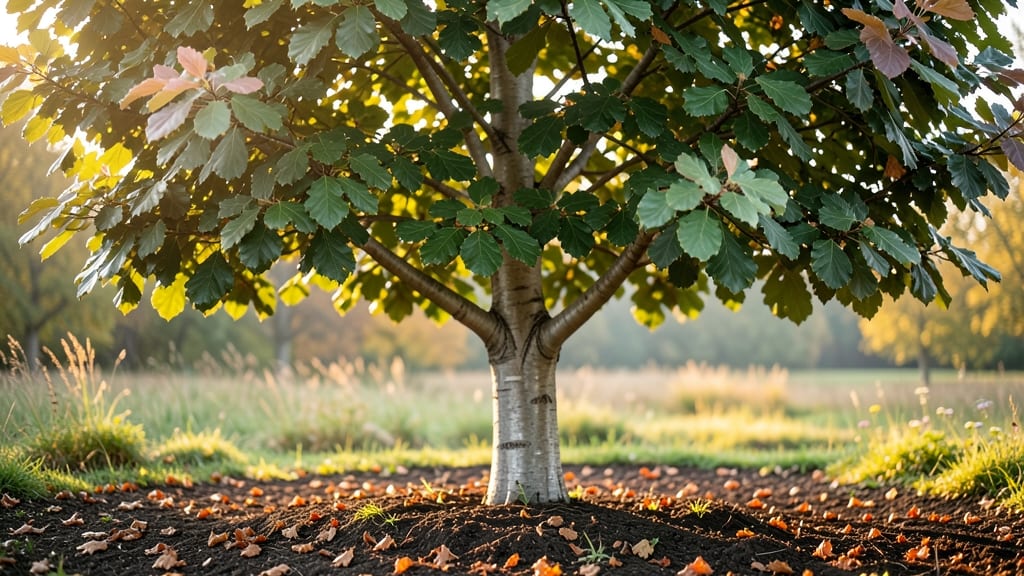
Your tree transforms from bare branches in winter to a lush canopy by summer—year-round pruning is the secret to keeping that cycle vibrant. 🌳 I’ve watched the tree in different seasons go from a tangled mess to a showstopper by simply adjusting my pruning schedule with the seasons.
The key isn’t just cutting; it’s understanding how each season shapes growth, from spring’s fresh shoots to autumn’s fiery leaves.
Spring is all about cleaning up—removing dead wood before buds swell—and summer pruning keeps shape while encouraging new growth. Autumn’s the time to prep for winter, while dormant winter branches reveal the tree’s true structure.
I’ve pruned fruit trees in late winter for better harvests and maples in early spring to avoid sap messes. The right cuts at the right time make all the difference.
You’ll end up with a tree that stays healthy year-round, putting on bold colors in fall and holding its shape through winter storms. My neighbors’ neglected oak looks sad by comparison—while mine blooms like clockwork.
The best part? You don’t need fancy tools, just a sharp pair of pruners and a little seasonal timing.
Works for any tree—maples, oaks, fruit trees, or even young shade trees—and adapts to your climate. Let’s get started with the seasonal pruning calendar that keeps trees thriving all year.
📚 In This Guide
- What you need
- Instructions
- Tips and common mistakes
- Wrapping up and next steps
What you need
- ● Pruning Shears: Bypass pruners (for small branches, ¼”–¾” thick) – 1 pair (high-quality, like Felco or Fiskars).
- ● Loppers: For medium branches (¾”–2” thick) – 1 pair (long-handled for reach).
- ● Pruning Saw: For thick branches (2”+ thick) – 1 saw (bow or pruning saw with a sharp blade).
- ● Gloves: Heavy-duty, cut-resistant gloves (to protect from thorns/splinters) – 1 pair.
- ● Safety Gear: Safety goggles (to shield eyes from debris).
- ● Closed-toe shoes or boots (for stability on uneven ground).
- ● Disinfectant: 70% isopropyl alcohol or bleach solution (1 part bleach to 9 parts water) – small spray bottle (to prevent disease spread).
- ○ Tree Wrap or Pruning Sealant: (Optional but recommended for large cuts) – 1 roll.
- ● Ladder or Stump: (If pruning high branches) – 1 stable ladder (or hire a professional for heights >10 ft).
- ● Extension Pole: For hard-to-reach branches (attachable to loppers/saws).
- ● Sharpener: File or sharpening stone (to keep blades in top condition).
- ● Trash Bags: For collecting debris (especially during heavy pruning seasons).
- ● Notebook & Pen: To track pruning dates, branch sizes, and tree health notes.
- ● Weather Check: Plan for dry, calm days (avoid pruning when wet or windy!).
Seasonal pruning guide for year-round tree health
Here's how to keep your trees thriving through every season with simple, effective pruning.
✂️ Step 1: Late Winter Pruning for Structure
Dormant season is ideal for shaping trees—no leaves means you can see the branches clearly. I wait until after the coldest stretch but before buds swell, usually February-March in most climates. Focus on removing dead, diseased, or crossing branches first—they're easy to spot without foliage blocking your view.
Use sharp pruners to make clean cuts just outside the branch collar (that swollen area where the branch meets the trunk). Avoid leaving stubs—this invites decay. For larger branches over ½ inch thick, make the cut in three stages to prevent tearing. You'll notice how much clearer the tree's structure becomes once you remove those problematic branches.
🌿 Step 2: Spring Pruning for Growth Stimulation
Once leaves appear, switch to light pruning to encourage new growth. The best time is late spring, after the last frost but before rapid growth begins. Remove any branches that grew too close together during winter—they compete for sunlight and nutrients. I look for branches growing straight upward ("water sprouts") and trim them back to a lateral branch.
This is also when you should check for storm damage from winter winds. Prune out any broken branches immediately, cutting back to healthy wood. Avoid heavy pruning now—you don't want to stress the tree when it's already putting energy into new foliage. A good rule: never remove more than 25% of the canopy in one season.
☀️ Step 3: Summer Pruning for Shape and Health
Mid-summer is perfect for corrective pruning—fixing any issues that appeared after spring growth. I do this in July-August, when the tree has established its main framework. Look for branches that are growing into the center of the tree (they'll rub against each other) or those that block sunlight from reaching lower branches.
For flowering trees, avoid heavy pruning now—you might remove next year's blossoms. Instead, focus on thinning out crowded areas by cutting branches back to their origin point. You'll see how much better air circulates through the canopy after removing just a few problem branches. Always sterilize your pruners with rubbing alcohol between cuts to prevent spreading disease.
🍂 Step 4: Fall Pruning for Preparation
Light pruning in late fall (after leaves drop but before hard frost) helps trees enter dormancy stronger. Remove any dead or diseased branches that might harbor pests over winter. I also trim any branches that grew too long during summer, cutting them back to maintain the tree's natural shape.
This is the time to reduce the tree's size if needed—perhaps to clear a view or keep it away from power lines. But don't overdo it. A good fall pruning session should only remove 10-15% of the canopy. You'll notice how much cleaner the tree looks without last year's dead leaves and damaged branches weighing it down.
⏰ Step 5: Year-Round Maintenance Checks
Between seasonal pruning sessions, do quick monthly checks for new problems. Look for branches that have died suddenly (they'll be brittle and snap easily) or those showing signs of disease (discolored leaves, oozing sap). Remove these immediately to prevent spread.
I also keep an eye on the tree's overall shape throughout the year. If you notice one side growing much faster than the other, that's your cue to do some light pruning to balance it out. The key is consistency—trees respond best when you maintain them regularly rather than doing one big pruning session every few years.
Tips & tricks for perfect year-round tree care
These simple strategies will help you maintain healthy trees through every season without the guesswork.
Tool Prep: Before you start pruning in any season, sharpen your pruners and sterilize them with rubbing alcohol. Dull blades tear wood instead of making clean cuts, which invites disease. I always keep a small bottle of 70% isopropyl alcohol in my toolbox—just wipe down blades between cuts, especially when working with diseased branches. This simple step prevents cross-contamination that could spread problems throughout your entire yard.
Seasonal Timing Secret: The February-March window for winter pruning is your best chance to see the tree's true structure without leaves blocking your view. If you miss this timing, don't worry—just wait until late spring after buds appear. The key is to avoid pruning when the tree is actively growing; you'll notice healthier regrowth when you time cuts with dormancy periods rather than growth spurts. For flowering trees specifically, prune immediately after they bloom to preserve next year's flowers.
Visual Cues for Pruning: When deciding what to cut in Step 3's summer pruning, look for branches that grow at sharp angles (less than 45 degrees) to the trunk or main branches—these are more likely to break in storms. Also watch for branches that rub against each other during summer winds; these will eventually create wounds that attract pests. I always do a quick "wind test" by gently shaking the tree—any branches that rattle or creak are candidates for removal.
Canopy Math: Never remove more than 25% of the canopy in any single season, as specified in the spring instructions. To visualize this, imagine dividing your tree's canopy into four equal sections. You should never remove more than one of these sections at once. For mature trees, I recommend spreading pruning cuts over multiple years to avoid shocking the tree's system. This gradual approach maintains that beautiful, balanced shape you're working toward.
Pro Tips for Tree In Different Seasons
- These simple strategies will help you maintain healthy trees through every season without the guesswork.
- Tool Prep: Before you start pruning in any season, sharpen your pruners and sterilize them with rubbing alcohol.
- Seasonal Timing Secret: The February-March window for winter pruning is your best chance to see the tree's true structure without leaves blocking your view.
Frequently asked questions
Got questions about keeping your trees vibrant through every season? You're not alone!
Here are some of the most common queries about year-round pruning and seasonal tree care—plus quick, actionable answers to keep your greenery thriving.
When is the best time to prune trees for seasonal color?
Timing matters! For deciduous trees, late winter or early spring (just before buds swell) is ideal—this encourages new growth. Evergreens can be pruned in early spring or late fall to avoid stressing the plant. Avoid heavy pruning in extreme heat or cold. Pro tip: Light trimming in summer can help shape trees but focus on removing dead branches first!
How do I protect my trees from winter damage after pruning?
Winter pruning exposes trees to harsh conditions. To protect them:
- Apply a thin layer of mulch (2–4 inches) around the base to insulate roots.
- Avoid pruning late in the season—wait until after the first frost if possible.
- Water deeply before the ground freezes to help roots absorb moisture.
- Use tree wraps on young or sensitive species to prevent sun scald.
Can I prune trees in summer? What are the risks?
Yes, but lightly! Summer pruning (June–August) can stress trees if overdone, leading to:
- Increased susceptibility to pests and diseases (open wounds attract invaders).
- Reduced flowering or fruiting in the following season.
What if my tree loses leaves or needles after pruning?
Don’t panic! Mild leaf drop is normal, especially after late-spring or summer pruning. However, watch for:
- Yellowing leaves: Could indicate over-pruning or nutrient deficiency. Fertilize lightly with a balanced tree food.
- Brown, crispy leaves: Sign of stress from heat or drought. Increase watering and shade temporarily.
- No new growth: Prune too late in the season? Wait until spring and avoid heavy cuts next time.
Are there seasonal alternatives to traditional pruning?
Try these low-maintenance methods for year-round care:
- Thinning cuts: Remove entire branches at the collar (not stubs) to improve airflow—works in any season.
- Crown cleaning: Focus on deadwood removal in winter when pests are dormant.
- Root pruning: For container trees, trim roots in early spring to encourage new growth.
- Mulching: A 3-inch layer of mulch in fall retains moisture and regulates soil temp year-round.
Wrapping up and next steps
Watching a tree transform through the seasons isn’t just beautiful—it’s a testament to the power of thoughtful care! 🌳 From spring’s fresh pruning to winter’s protective trims, each season offers a chance to nurture growth and shape your tree’s future.
Whether you’re a gardening pro or just starting, consistent, seasonal pruning is your secret to a thriving, vibrant tree year after year.
Ready to take the next step? Grab your tools, pick a sunny day, and give your tree the love it deserves! 🌿 Start small, observe changes, and soon you’ll be amazed at how a little effort leads to big rewards. Happy pruning!