
Pruning
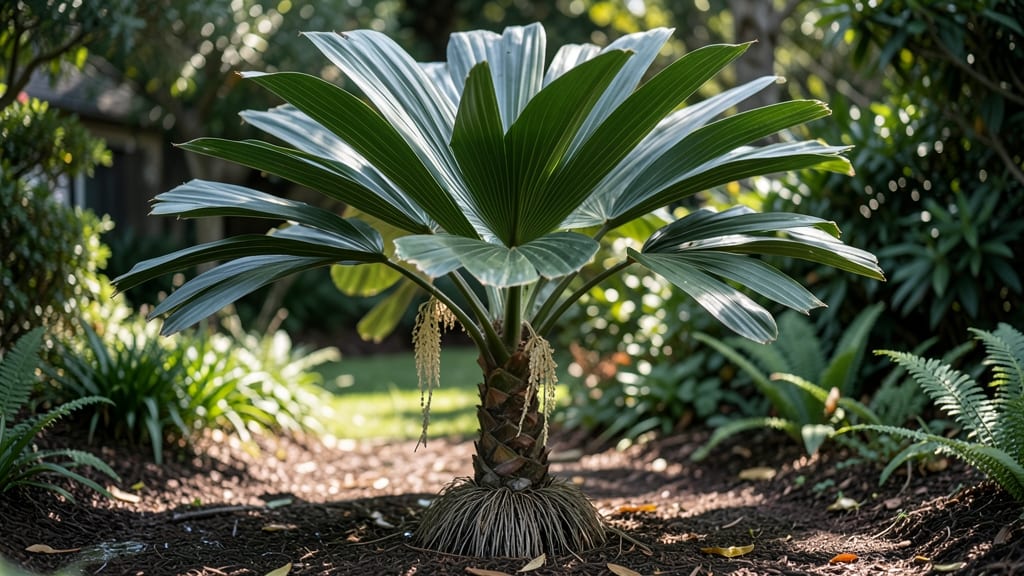
Controlling Tree of Heaven growth demands aggressive pruning in late winter or early spring, where you should trim back 25-50% of new shoots annually while wearing protective gloves to handle its toxic sap. Always remove stumps immediately to stop regrowth.
Tree of Heaven spreads so aggressively because of its rapid growth and deep roots that can disrupt nearby plants. 🌱 The tree releases chemicals called allelopathic compounds that inhibit other plants from growing nearby, making it harder to control.
I've seen firsthand how quickly it can take over a yard if not managed properly, so consistent pruning is key to keeping it in check.
When pruning, focus on cutting back the new shoots that emerge each year. 🌿 Using sharp pruners and removing stumps with either digging or herbicide application helps prevent regrowth. Always wear gloves—this tree's sap can cause skin irritation, so protection is a must during the process.
💡 In This Article
- Why Tree of Heaven Spreads So Aggressively
- Step-by-Step Pruning Guide for Tree of Heaven Control
Why Tree of Heaven spreads so aggressively
The Tree of Heaven (Ailanthus altissima) thrives on three key biological advantages: its rapid growth rate, prolific seed production, and allelopathic chemicals. This species can grow 3-5 feet per year under ideal conditions, outpacing most native trees.
Its seeds, produced in winged samaras, spread easily via wind, allowing a single tree to generate thousands of offspring annually. 🌿
What makes it truly invasive is its allelopathic nature—the tree releases toxic compounds like ailanthone and quinone through its roots and leaves. These chemicals suppress growth in competing plants, creating a "monoculture" effect where only Tree of Heaven flourishes.
Studies show these compounds can reduce soil microbial activity by up to 40%, further weakening surrounding vegetation. Its deep, extensive root system (reaching 10-15 feet) also disrupts soil structure, making it harder for other plants to establish roots.
The combination of these factors explains why Tree of Heaven dominates disturbed areas like abandoned lots, roadsides, and construction sites.
Unlike native species that adapt slowly to environmental changes, this tree exploits gaps in ecosystems with speed and chemical warfare. 🌱 For example, in urban settings, it often outcompetes young trees planted for landscaping within just 2-3 years if left unchecked.
Another critical factor is its resilience to environmental stress. Tree of Heaven tolerates poor soil, drought, and urban pollution—conditions that would stifle many other species. This adaptability, combined with its fast regrowth after pruning (if not properly managed), makes it a formidable foe in landscaping and conservation efforts.
The tree’s ability to sprout from root fragments just 1 inch long means even small pieces left in the soil can regenerate into new plants.
Ecologists often compare Tree of Heaven to other invasive species like kudzu or Japanese honeysuckle, but its chemical warfare sets it apart. While kudzu smothers plants physically, Tree of Heaven poisons the ground beneath it, creating a nearly impenetrable barrier for native flora.
This dual-pronged attack—physical dominance and chemical suppression—explains why it’s classified as one of the most troublesome invasive trees in North America.
Understanding these mechanisms helps explain why aggressive pruning and stump removal are essential. Simply cutting the trunk won’t stop it—you must target the root system and new shoots before they can release more allelopathic compounds or establish dominance.
The tree’s relentless growth and chemical arsenal mean neglect leads to rapid, uncontrollable spread within just a few seasons. 💥