
Trees
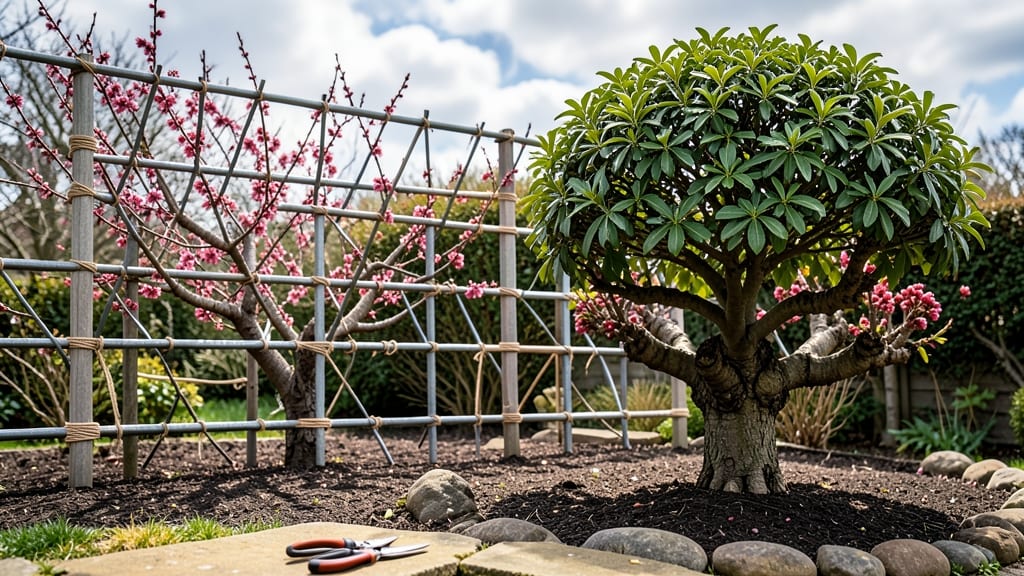
Transforming your 🌳 into a stunning architectural feature with these tree shaping ideas isn’t just for pros—it’s a creative way to elevate your yard’s design while keeping your tree healthy and strong.
Picture this: a neatly trimmed evergreen framing your patio or a fruit tree trained along your fence, bearing heavier harvests than its wild cousins. These tree shaping ideas turn ordinary trees into living art, and the best part? You don’t need a green thumb to start.
From classic topiary to the dramatic lines of espalier, each technique offers unique benefits—whether you’re working with a young sapling or guiding the growth of a mature specimen.
I’ll walk you through the top 10 methods, when to tackle them, and the tools that make the job easier (and safer).
Ready to transform your outdoor space? Let’s dive into how to shape your trees for year-round structure and beauty, with tips to avoid common mistakes and keep your creations thriving for decades.
10 Proven tree shaping techniques for structural integrity
Shaping trees isn't just about aesthetics—it's a science-backed way to improve health, prevent disease, and create functional art in your landscape. Whether you're working with young saplings or mature specimens, these techniques strengthen structural integrity while adding visual interest.
The key is understanding when to prune, which tools to use, and how each method interacts with different tree species.
For example, topiary transforms trees into living sculptures, while pollarding promotes dense foliage and longevity. Each technique has ideal seasonal timing—like pruning deciduous trees in late winter—and requires specific tools, from bypass pruners to hand saws.
Let’s explore the top 10 methods, their benefits, and how to apply them safely.
| Technique | Best For | Season | Tools Needed |
|---|---|---|---|
| Topiary | Boxwood, Yew, Privet | Spring/Summer | Hand pruners, shears |
| Espalier | Apple, Pear, Citrus | Late Winter | Pruning saw, twine |
| Pollarding | Willow, Oak, Maple | Dormant Season | Loppers, chainsaw |
| Coppicing | Hazel, Willow, Alder | Winter | Pruning saw, hedge trimmer |
| Natural Shaping | Pine, Cedar, Birch | Year-round | Hand pruners, gloves |
| Bonsai Pruning | Japanese Maple, Juniper | Spring/Fall | Concave cutter, tweezers |
| Standard Shaping | Crabapple, Dogwood | Late Winter | Pruning saw, loppers |
| Weeping Styles | Weeping Willow, Cherry | Spring | Hand pruners, support stakes |
| Layering | Rhododendron, Azalea | Spring | Knife, plastic wrap |
| Vine Training | Clematis, Wisteria | Early Summer | Trellis, twine |
Let’s start with topiary, the most recognizable technique for creating geometric shapes like spirals or cubes. This method works best on evergreen shrubs like boxwood or yew, which respond well to shearing. Use sharp bypass pruners to make clean cuts just above a leaf node. For summer shaping
How to choose the right shaping technique for your tree type
Not all trees respond well to shaping—some thrive with dramatic transformations, while others need gentle guidance. The key is matching the tree type to the right technique. Evergreens like yews or boxwoods handle topiary beautifully, while fruit trees often benefit from espalier for space-saving harvests.
Deciduous trees like maples or oaks can be sculpted with pollarding for structural control.
Start by assessing your tree’s growth habit and hardiness zone. Fast-growing species like willows or poplars need regular maintenance, while slow growers like Japanese maples can hold intricate shapes with minimal upkeep.
Always choose a method that aligns with the tree’s natural form—forcing an unnatural shape can stress the plant and invite disease.
Here’s how to pair techniques with tree types to achieve stunning, healthy results:
Tree Shaping Techniques by Type
🌿 Evergreens (e.g., Yew, Boxwood)
- Thrive with topiary and hedge shaping
- Dense foliage holds intricate designs
- Year-round visual interest
- Requires frequent trimming (every 4-6 weeks)
- Over-pruning can cause browning
- Slow recovery from aggressive cuts
🍎 Fruit Trees (e.g., Apple, Pear)
- Espalier maximizes fruit production in small spaces
- Improves air circulation and sunlight exposure
- Enhances harvest accessibility
- Requires annual pruning during dormancy
- Delicate branches may break under fruit weight
- Not all varieties suit espalier (e.g., weeping willows)
🌳 Deciduous Trees (e.g., Maple, Oak)
- Pollarding controls size and shape
- Encourages strong branch growth
- Ideal for urban landscapes
- Requires expert timing (late winter/early spring)
- Can stimulate excessive growth if overdone
- Not suitable for delicate species (e.g., cherry blossoms)
🌲 Delicate Species (e.g., Japanese Maple, Weeping Willow)
- Minimal shaping with natural pruning
- Preserves natural beauty
- Low maintenance long-term care
- Avoid aggressive cuts—can kill branches
- Limited design flexibility
- Requires gentle touch for shaping
For evergreens, I recommend starting with hedge shaping to establish a base before attempting topiary. Use concave cuts to encourage bushier growth and avoid the common mistake of cutting into old wood, which won’t regenerate.
For fruit trees, espalier is ideal—train branches along a fence or trellis using flexible ties to avoid damaging the bark.
Avoid shaping delicate trees like Japanese maples with heavy-handed techniques. Instead, focus on selective pruning to maintain their graceful form. Always use sharp, sterilized tools to prevent disease transmission, and never remove more than 25% of the canopy in a single session.
Over-pruning weakens trees and invites pests like borers or fungal infections.
Timing is everything—shape deciduous trees in late winter before buds swell, and work with evergreens in early spring or fall. For fruit trees, prune during dormancy to minimize stress.
Pair your technique with the right seasonal care, and your shaped trees will reward you with year-round beauty and longevity. 🌳