
Pruning
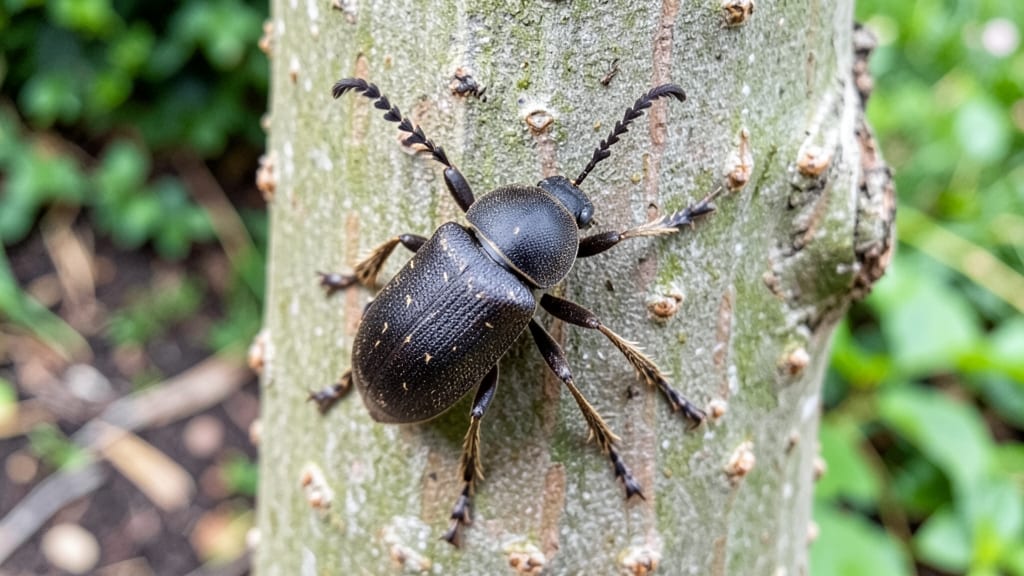
Using tree tape for bugs traps sap-suckers like aphids and scale insects before they can damage your trees 🌳🐛.
Picture this: You’ve spent years nurturing your oak or maple, only to wake up one morning and find it covered in sticky honeydew—your first sign that aphids have moved in. Chemical sprays might kill the pests, but they also harm bees, butterflies, and the soil beneath.
That’s where tree tape comes in as a non-toxic, easy-to-use barrier that stops pests in their tracks without a single harmful chemical.
This sticky tape works by creating a physical block that bugs simply can’t cross. Unlike sprays that spread everywhere, tree tape targets only the trunk and branches where pests climb.
It’s especially effective in spring and fall, when sap-sucking insects are most active, but you can apply it anytime you spot trouble.
Below, I’ll walk you through exactly how to apply it for maximum protection, when to reapply for long-term defense, and how to pair it with other natural methods for a pest-free tree year-round.
How tree tape creates a non-toxic barrier against sap-sucking bugs
When aphids, scale insects, and spider mites attack your trees, they don’t just weaken the foliage—they inject toxins that stunt growth and attract predators. Unlike chemical sprays that harm beneficial insects, tree tape uses a physical barrier to block pests before they reach your plants.
The sticky surface traps insects trying to climb up or down the trunk, creating a non-toxic defense that’s safe for the environment.
Unlike chemical repellents that rely on toxic ingredients, tree tape works by disrupting insect movement. Sap-sucking bugs like mealybugs and whiteflies move slowly and rely on smooth surfaces to climb. When they encounter the sticky tape, their legs get trapped, preventing them from reaching leaves or bark.
This method is especially effective because it doesn’t kill insects outright—it simply blocks their access to your trees.
Research shows that sticky barriers reduce pest populations by up to 90% when applied correctly. A study by the University of California Cooperative Extension found that tree tape was particularly effective against soft-bodied insects like aphids, which lack the exoskeleton strength to break through the adhesive.
The tape also doesn’t harm pollinators like bees or ladybugs, making it a eco-friendly alternative to pesticides.
One of the biggest advantages of tree tape is its selective action. It targets only the pests trying to climb your trees while leaving beneficial insects like lacewings and parasitic wasps unharmed.
These predators actually help control pest populations naturally, so preserving them is crucial for long-term garden health. Unlike broad-spectrum pesticides, tree tape doesn’t create a chemical imbalance in your ecosystem.
Tree tape is also reusable and can be left in place for months, making it a cost-effective solution. When pests land on the tape, they get stuck and eventually die from exhaustion or dehydration.
This slow, passive method ensures that only the insects trying to colonize your trees are affected, while your plants continue to thrive without chemical residue.
The tape’s effectiveness depends on proper placement. For best results, wrap it around the trunk and major branches where pests are most likely to climb. A 1-2 inch width is ideal—wide enough to catch insects but narrow enough to avoid trapping beneficial crawlers like ground beetles.
The height should cover the lower 3 feet of the trunk, as this is where most sap-suckers start their ascent.
Unlike horticultural oils or neem sprays, tree tape doesn’t require reapplication after rain or wind. Its weather-resistant adhesive stays effective for weeks, even in damp conditions. This makes it a low-maintenance solution for gardeners who want to protect their trees without constant upkeep.
Plus, it’s pet-safe, so you won’t have to worry about accidental exposure to animals.
Scientifically, the tape’s stickiness creates a physical barrier that exploits the weak points in insect anatomy. Many sap-suckers, like scale insects, have limited mobility and rely on smooth surfaces to move. The tape’s texture disrupts their leg adhesion, causing them to fall or become trapped.
This method is particularly effective against slow-moving pests that can’t jump or fly away when they encounter the barrier.
| Pest Type | Effectiveness | Why It Works | Best Placement |
|---|---|---|---|
| Aphids | ⭐⭐⭐⭐⭐ | Slow-moving; legs get stuck | Trunk and lower branches |
| Scale Insects | ⭐⭐⭐⭐ | Stationary; can’t climb sticky surface | Trunk and branch junctions |
| Spider Mites | ⭐⭐⭐ | Small size; gets trapped easily | Lower trunk and foliage edges |
| Mealybugs | ⭐⭐⭐⭐ | Slow movement; adhesive traps them | Trunk and branch crevices |
| Whiteflies | ⭐⭐ | Can fly; less effective alone | Trunk + use with fans |
For best results, combine tree tape with other natural pest control methods. For example, placing yellow sticky traps above the tape can catch flying pests like whiteflies, while introducing ladybugs or lace
Step-by-step guide: applying tree tape for maximum pest protection
Applying tree tape for bugs is one of the most effective ways to stop sap-sucking pests like aphids, scale, and spider mites without chemicals. The key lies in proper placement, timing, and technique.
Whether you're protecting a young fruit tree or a mature oak, following these steps ensures maximum effectiveness while keeping your trees healthy.
Before you begin, gather your tools: tree tape (choose a width of 1-2 inches for most trees), a measuring tape, scissors or a utility knife, and a ladder for taller trees.
Work on a dry, wind-free day when temperatures are mild—this helps the tape adhere better and prevents pests from escaping during application.
Use a soft brush or cloth to remove dirt, moss, and old tape. This ensures the new tape sticks properly and creates a sealed barrier. Focus on the lower 6 feet of the trunk, where most pests target young trees.
Wrap the tape around the trunk to determine the circumference. Add 2-3 inches for overlap. Cut the tape with scissors, leaving a 6-inch tail for easier application. For branches, use narrow strips (1 inch wide) and secure with twist ties.
Start at the base of the trunk and overlap the ends by 1 inch. Press firmly to remove air bubbles. For vertical placement, apply tape in a continuous spiral up to 6 feet high or until the trunk tapers. Avoid gaps—pests exploit even 1/4-inch openings.
Check the tape every 2-4 weeks for trapped pests or wear. Replace if it loses stickiness or becomes less than 50% effective. In high-infestation areas, reapply every 6-8 weeks during peak pest seasons (spring and summer).
Don’t apply tape too high on the trunk—pests move upward. Skip rough bark areas unless smoothed first. Never use tree tape on fruit-bearing branches where it could contaminate harvests. Always wear gloves to avoid residue on your hands.
For large trees, focus on the lower 8 feet of the trunk, as this is where young pests like aphids and scale insects cluster. If you notice pests above the tape, extend coverage by 2-3 feet higher or add strips to major branches.
Pair tree tape with beneficial insects like ladybugs for a two-pronged defense.
Properly applied, tree tape can reduce pest populations by up to 90% within weeks. The best time to install it is early spring, just as pests begin to emerge, or during active infestations. With consistent maintenance, your trees will stay healthy and pest-free all season long. 🌿