
Trees
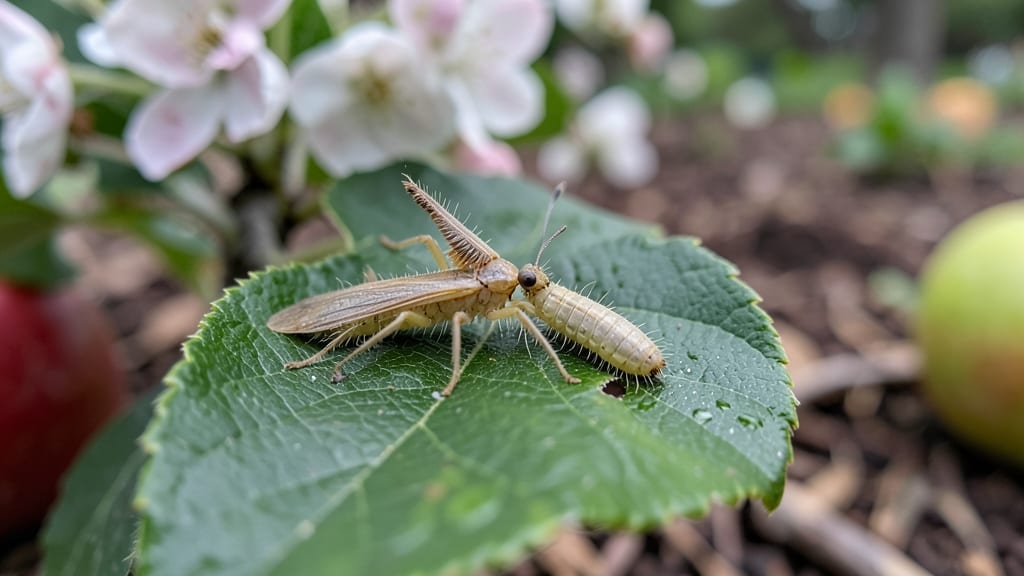
Bugs eating apple tree leaves can turn your harvest into skeletons before the season even starts. 🍏 I’ve watched entire branches strip down to veins in just a few days—until I discovered this fast-acting spray that stops them dead in their tracks.
The key isn’t just killing pests; it’s cutting off their life cycle before they multiply. Most gardeners panic and grab the strongest chemical they can find, but that often backfires.
Instead, we’ll focus on targeted sprays that work within 24-48 hours—so you’re not left with a defoliated tree while waiting for results. Think of it as a pest interruption, not a war. You’ll see the difference immediately: leaves stop curling, larvae drop off, and new growth stays untouched.
The spray is simple to mix, safe for bees after drying, and won’t harm your fruit like some harsher options. No more helplessly watching your tree get picked clean. Works for aphids, tent caterpillars, and leaf rollers—the usual suspects that turn lush green into lace.
Here’s how to make it work for your tree before next season’s infestation even begins.
Root Causes Of Leaf Damage
Apple tree leaves are a buffet for hungry pests, but understanding why these critters target your tree is the first step to stopping them. The damage isn’t random—it’s driven by biology, environment, and even your tree’s health.
Let’s break down the key reasons these insects go for your apple tree’s foliage.
When apple trees are stressed, they become prime targets for pests. Weakened trees lack the natural chemical defenses (like tannins and resins) that repel insects. Here’s what makes them vulnerable:
- Nutrient Deficiencies 📊 Trees deprived of essential nutrients (like nitrogen, phosphorus, or potassium) produce softer, less resilient leaves. Pests like aphids and mites detect these deficiencies and flock to them like vultures to a carcass.
- Drought or Overwatering 💧 Both extremes stress trees. Drought weakens roots, reducing the tree’s ability to fight off invaders, while overwatering creates soggy conditions that attract sap-sucking bugs like the woolly apple aphid.
- Poor Soil Health 🌿 Compacted or nutrient-poor soil limits root growth, making trees more susceptible to attacks. Beneficial microbes in healthy soil help trees resist pests naturally—without them, pests win easily.
Some bugs are just really good at reproducing. When conditions are perfect, their numbers skyrocket, turning your apple tree into an all-you-can-eat salad bar.
- Warm Winters & Mild Springs ❄️🔥 Many pests (like codling moths or leafrollers) survive cold winters in egg or larval form. If winters are mild, they hatch earlier and in larger numbers, leading to devastating feeding frenzies.
- Lack of Natural Predators 🦋🐢 Birds, ladybugs, and parasitic wasps keep pest populations in check. If these predators are missing (due to pesticide use or habitat loss), pests multiply unchecked.
- Monoculture Plantings 🌳🌳 Orchards with rows of identical apple trees create a pest paradise. Insects thrive in uniformity because there’s no diversity to disrupt their life cycles.
Not all apple trees are equally tempting to pests. Some varieties are naturally more attractive due to their leaf chemistry, size, or growth habits.
- Young, Tender Leaves 🌱🍃 New growth is soft and nutrient-rich, making it a favorite of caterpillars (like tent caterpillars) and sawfly larvae. These pests target young leaves because they’re easier to digest.
- High-Sugar Leaf Content 🍬 Trees stressed by heat or drought produce leaves with higher sugar content—like candy to a bug. Japanese beetles and apple maggots are particularly drawn to these sweet treats.
- Shade & Moisture Traps ☁️💦 Dense foliage creates microclimates that retain moisture, perfect for slugs, snails, and fungal-feeding insects. Poor air circulation also slows down natural pest-deterring winds.
Pests don’t attack randomly—they follow a schedule based on your tree’s growth stages.
| Season | Common Culprits | Why They Strike |
|---|---|---|
| Early Spring | Woolly aphids, mites | Trees are vulnerable as buds swell; pests seek fresh sap. |
| Late Spring | Apple maggots, tent caterpillars | Leaf expansion provides ample food; larvae hatch in sync with new growth. |
| Summer | Japanese beetles, leafrollers | Heat-stressed trees produce more sugars, attracting these heat-loving pests. |
| Fall | Sawfly larvae, scale insects | Cool weather slows tree defenses; pests prepare for winter by feeding heavily. |
Sometimes, you accidentally invite the pests. Even well-meaning actions can backfire:
- Over-Fertilizing with Nitrogen 💥 Too much nitrogen promotes lush, soft growth that pests adore. Think of it as feeding your tree junk food—it gets fat, but it’s also a magnet for bugs.
- Ignoring Pruning Needs ✂️ Overgrown or improperly pruned trees have dense canopies that trap moisture and pests. Proper pruning improves airflow and sunlight, making trees less hospitable.
- Bringing Infested Materials Home 📦 Firewood, nursery plants, or even windblown debris can carry pest eggs or larvae. Always inspect new additions to your yard before introducing them near apple trees.
Pro Tip: 💡 The best defense is a healthy offense. Regular soil testing, balanced fertilization, and proper pruning can drastically reduce pest pressure before it starts.
Quick Fixes for Leaf-Munching Pests
When your apple tree’s leaves start looking like Swiss cheese, it’s time to act fast! The good news? Most leaf-eating pests can be managed with targeted, practical solutions. Below, we’ve mapped the most common culprits to the best fixes—plus prevention tips to keep your tree thriving.
Signs: Clusters of small, sticky insects on new leaves or stems, often leaving behind curled or yellowing foliage.
How to Treat It: 🔥 Blast Them Off – Use a strong stream of water from your hose to dislodge aphids from leaves. Repeat every 2–3 days until they’re gone. 🍳 Soapy Water Spray – Mix 1 tablespoon of mild dish soap (like Castile soap) with 1 quart of water. Spray directly on infested areas, focusing on the undersides of leaves where aphids hide. 👨🍳 Neem Oil Solution – Combine 1 teaspoon of neem oil, 1 teaspoon of dish soap, and 1 quart of water. Spray in the early morning or late evening to avoid harming bees. Reapply every 5–7 days. ⏰ Ladybugs to the Rescue – Release ladybugs (available at garden centers) into your tree—they love eating aphids!
Prevention Tips: ✨ Encourage Natural Predators – Plant marigolds, dill, or yarrow nearby to attract beneficial insects. 🌡️ Prune Regularly – Remove heavily infested leaves and branches to reduce aphid populations. 🎯 Use Reflective Mulch – Wrap the tree trunk with reflective aluminum foil (cut lengthwise) to deter aphids with its shine.
Signs: Webs covering branches, defoliated leaves, and fuzzy brown or black caterpillars marching in processions.
How to Treat It: 🔥 Handpick & Destroy – Wear gloves and remove caterpillars by hand, dropping them into soapy water. Check daily until none remain. 🍳 Bacillus Thuringiensis (Bt) – A natural bacterial spray (like Dipel or Xentari) that targets caterpillars but is safe for other wildlife. Apply when caterpillars are small. 👨🍳 Dormant Oil Spray – In late winter or early spring, spray dormant oil on the tree to smother overwintering eggs. 🔪 Prune & Burn – Cut out heavily webbed branches and dispose of them in sealed bags (don’t compost!).
Prevention Tips: 💡 Disrupt Their Cycle – Scrape off egg masses (small brown clusters) from branches in late winter before they hatch. 🌡️ Keep the Tree Healthy – Strong trees resist pests better. Water deeply during droughts and fertilize with compost. ✨ Bird Feeders Nearby – Attract birds like blue jays and robins, which feast on tent caterpillars.
Signs: Leaves rolled tightly around caterpillars, brown frass (poop) near the base, and chewed fruit later in the season.
How to Treat It: 🔥 Unroll & Drown – Carefully unroll infested leaves and drop the caterpillars into soapy water. 🍳 Pheromone Traps – Hang traps in early spring to monitor and reduce mating success. 👨🍳 Spinosad Spray – A natural, organic pesticide derived from soil bacteria. Spray in the evening to avoid harming bees. 🔪 Bag Young Fruit – If caterpillars are targeting fruit, use paper bags to protect developing apples.
Prevention Tips: 🎯 Clean Up Debris – Remove fallen leaves and fruit in autumn to eliminate overwintering sites. 🌡️ Apply Horticultural Oil – In late winter, spray oil to suffocate eggs. 💡 Encourage Parasitic Wasps – These tiny allies lay eggs inside leafroller caterpillars, killing them naturally.
Signs: Skeletons of leaves with chewed edges, shiny green beetles with copper wings feeding in groups.
How to Treat It: 🔥 Handpick Daily – Drop beetles into a bucket of soapy water. Do this in the early morning when they’re sluggish. 🍳 Neem Oil or Kaolin Clay – Spray neem oil or mix kaolin clay with water to create a barrier they avoid. 👨🍳 Milky Spore Treatment – Apply Milky Spore powder to the soil (takes 2–3 years to fully establish but is long-lasting). ⏰ Traps (Use with Caution!) – Japanese beetle traps can attract more beetles if placed near the tree. Use them far away or avoid them altogether.
Prevention Tips: ✨ Plant Trap Crops – Grow roses, grapes, or viburnum nearby to lure beetles away from your apple tree. 🌡️ Water Deeply – Stress reduces a tree’s resistance; keep soil moist during dry spells. 🎯 Avoid Over-Fertilizing – Too much nitrogen attracts beetles.
No matter the pest, these habits will keep your apple tree resilient: 📊 Monitor Regularly – Check leaves and branches weekly, especially after rain or wind. 💪 Boost Tree Health – Mulch with wood chips, water deeply, and fertilize with balanced organic fertilizer. 🥗 Diverse Garden – Plant companion plants like garlic, chives, or thyme to repel pests naturally. 🍎 Timing Matters – Act at the first sign of trouble—early intervention is key!
Pro Tip: 🌟 Rotate treatments to prevent pests from building resistance. If one method fails, try another from the list!
Frequently asked questions
What are the most common bugs that eat apple tree leaves?
The usual suspects include aphids (tiny green/black clusters), tent caterpillars (fuzzy brown caterpillars in webs), leafrollers (rolled leaves with caterpillars inside), and Japanese beetles (shiny green beetles with copper wings). Most strike when leaves are young and tender, so early spring/summer is peak damage season.
Will my apple tree recover if bugs eat most of its leaves?
Yes, but recovery depends on timing and severity. If pests hit before fruit sets, the tree can regrow leaves. If they attack during fruit development, yield may suffer. Severe defoliation weakens trees—prune damaged branches and fertilize to help recovery. For heavy infestations, act within 2 weeks to avoid stress.
Are there any bugs that actually help my apple tree?
Ladybugs, lacewings, parasitic wasps, and birds all prey on leaf-eating pests. Plant companion flowers like marigolds or dill to attract them. Avoid broad-spectrum pesticides—they kill these helpful allies too. Even spiders help by eating aphids and mites that attack leaves.
How do I tell if my tree has aphids or mites?
Aphids leave sticky residue (honeydew) on leaves, while mites cause yellow stippling (tiny white/yellow dots). Check leaf undersides—aphids cluster there, but mites are nearly invisible until damage appears. Use a magnifying glass if needed; both thrive in dry, dusty conditions.
Can I use coffee grounds to stop bugs from eating my apple tree?
Coffee grounds help slightly—they repel some pests like slugs and deter ants, but they won’t stop leaf-eaters like caterpillars or beetles. For better results, mix grounds with neem oil (1:1 ratio) and spray on leaves. Always water the tree first to avoid burning foliage with concentrated grounds.