
Pruning
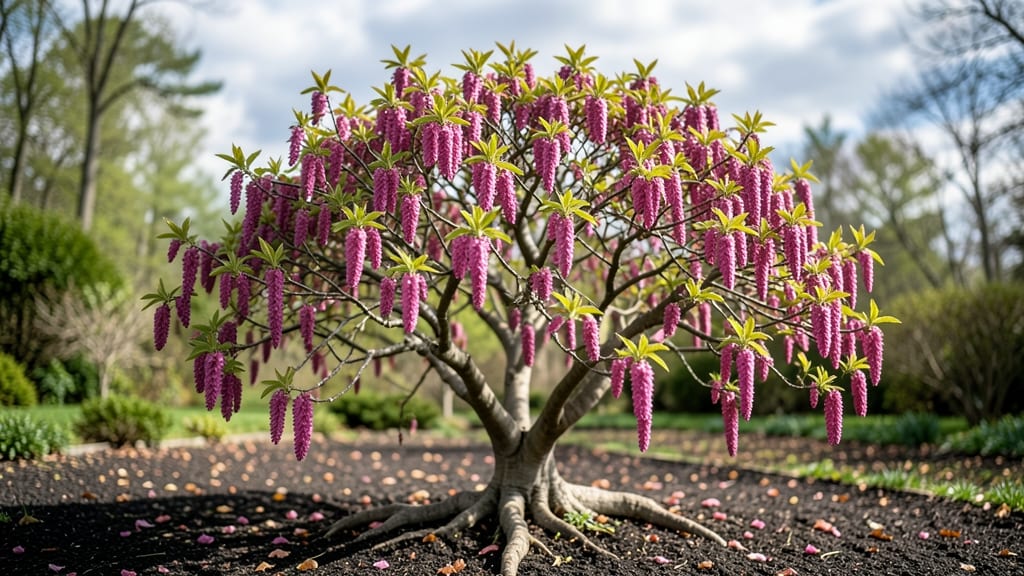
Pink flower clusters transform any yard into a springtime showstopper. 🌸 The right tree—like bridal wreath spirea or dogwood—creates a fragrant, hummingbird-magnet border that lasts for weeks. I’ve planted mine where the morning sun catches the blossoms, turning my front yard into a soft pink cloud every April.
These trees thrive in partial shade to full sun and handle most soil types, though they love well-draining earth. Dogwoods bloom in late spring, while spirea offers a longer show with repeat blooms. Both pair beautifully with ferns, hostas, or daffodils for layered texture and color.
By late summer, the flowers fade into glossy foliage, keeping the garden lively until fall. Hummingbirds hover for weeks, and you’ll enjoy the scent from your porch. The key is pruning spent blooms in early summer to encourage next year’s display.
Works as a standalone focal point or a mixed border—just plant 3–5 feet apart for that "wow" effect. Here’s how to pick the perfect variety for your space.
📚 In This Guide
- What you need
- Instructions
- Tips and common mistakes
- Wrapping up and next steps
What you need
- ● Pruning shears – Bypass-style, sharp, and sanitized (1 pair)
- ● Loppers – For thicker branches (8–12 inches) (1 pair)
- ● Pruning saw – For large branches (16+ inches) (1)
- ● Garden gloves – Cut-resistant, durable (1 pair)
- ● Disinfectant (70% isopropyl alcohol or bleach solution) – To sterilize tools
- ○ Pruning sealant (optional but recommended) – For large cuts (1 small bottle)
- ● Ladder or step stool – If tree is tall (adjustable height, 6–12 ft)
- ● Heavy-duty trash bags – For debris (2–3 bags)
- ● Notebook & pen – To track pruning notes
- ● Hand pruners (felco) – For precision trimming (1 pair)
- ● Extension pole saw – For high branches (1)
- ● Tree wrap or tape – To protect bark after cuts (1 roll)
- ● Fertilizer (balanced 10-10-10) – Post-pruning boost (small bag)
- ● Mulch – To retain moisture (2–3 cubic feet)
How to plant and care for a pink flowering tree for hummingbird-friendly borders
Here's the easy way to add vibrant pink blooms and hummingbird magnet appeal to your garden.
🌱 Step 1: Choose the Right Tree Variety for Your Climate
For show-stopping pink clusters, consider redbud (Cercis canadensis) or coralberry (Symphoricarpos orbiculatus)—both thrive in zones 4-8 and bloom reliably. Redbuds burst with magenta flowers in early spring, while coralberry offers delicate pink blooms followed by edible berries. I always check my local nursery's hardiness zone map to match the tree to my region.
Look for 1-3 gallon container-grown trees at nurseries—they establish faster than bare-root stock. Avoid trees with yellowing leaves or bare branches; these signs mean the plant was stressed before purchase. The best time to plant is late fall or early spring, when roots can establish before summer heat or winter freeze.
☀️ Step 2: Select the Perfect Planting Location
Pink flowering trees love full sun to partial shade—at least 6 hours of direct sunlight daily for optimal blooms. I plant mine near the south or west side of the house where they get morning sun and afternoon shade in hotter climates. Coralberry tolerates more shade than redbud, making it ideal for woodland edges.
Check your site's drainage by digging a 12-inch hole—if water pools after 30 minutes, amend the soil with 2 inches of compost or plant on a slight mound. Avoid low spots where water collects, as soggy roots lead to root rot. The tree's mature height (typically 20-30 feet) should also fit your space—measure before digging!
🪴 Step 3: Plant with Proper Spacing and Soil Prep
Dig a hole twice as wide as the root ball but no deeper—planting too deep suffocates roots. Loosen the root ball gently if roots are circling, then place the tree in the center. Fill the hole with native soil mixed with 1 part compost to improve fertility. I always water the root ball thoroughly before planting to reduce transplant shock.
Spread 3-4 inches of mulch (wood chips or shredded bark) around the base, keeping it 6 inches away from the trunk to prevent rot. Water deeply every 2-3 days for the first 4 weeks until new growth appears. Avoid overwatering—soggy soil smothers roots. You'll know it's right when the soil feels moist 2 inches down but not saturated.
💧 Step 4: Maintain for Year-Round Hummingbird Appeal
Feed trees in early spring with a balanced 10-10-10 fertilizer (follow package rates) to encourage vigorous blooms. I skip fall fertilization—trees need to harden off for winter. Prune dead or crossing branches in late winter before buds swell, but avoid heavy pruning—it reduces next year's flowers. Redbuds bloom on old wood, so prune after flowering.
Hummingbirds love pink flowers, but they also need shelter and nectar sources. Plant companion perennials like bee balm (Monarda) or columbine (Aquilegia) nearby for continuous blooms. Watch for aphids on new growth—spray with water to dislodge them or apply neem oil if infestations persist. A healthy tree with pink clusters will attract hummingbirds within 2-3 years of planting.
Tips & tricks for perfect pink flowering trees
These simple strategies will help you get the most vibrant blooms and attract hummingbirds faster than you'd expect.
Variety Matters: Redbuds and coralberry are your best bets for pink clusters, but if you're in zone 5 or colder, consider serviceberry (Amelanchier)—it handles frost better and still produces stunning pink spring blooms. The key difference? Serviceberry blooms slightly later than redbud, avoiding late frosts that can damage delicate flowers. I've seen serviceberry trees in my zone 4 garden still flowering beautifully after a late frost that wiped out nearby redbuds.
Timing is Everything: The 6 hours of sunlight requirement in Step 2 is crucial—this is when trees photosynthesize enough energy to produce those vibrant pink flowers. If your yard doesn't get full sun, coralberry is your best option as it tolerates more shade. I've noticed that trees planted on the west side of the house get just enough afternoon sun to keep their blooms vibrant while avoiding the harshest midday heat. For maximum blooms, position your tree where it gets morning sun and afternoon shade in hotter climates.
Soil Prep Secret: When amending soil with 2 inches of compost in Step 2, mix it thoroughly with the native soil—don't just pile it on top. The goal is to improve drainage while maintaining good moisture retention. I always add a handful of slow-release fertilizer (like 10-10-10) to the planting hole at this stage to give the tree a nutrient boost right from the start. This helps offset any transplant shock and encourages stronger root development for those first critical weeks after planting.
Watering Wisdom: The every 2-3 days watering schedule in Step 3 works best when you water deeply—aim for about 1 gallon per week for a newly planted tree. The key is to keep the soil consistently moist but not soggy. I use a moisture meter to check 2 inches down—this is where the roots are actively growing. If the soil feels dry at this depth, it's time to water. Overwatering is just as damaging as underwatering, so let the top inch dry out between waterings once the tree is established.
Pro Tips for Tree With Pink Flower Clusters
- These simple strategies will help you get the most vibrant blooms and attract hummingbirds faster than you'd expect.
- Variety Matters: Redbuds and coralberry are your best bets for pink clusters, but if you're in zone 5 or colder, consider serviceberry (Amelanchier)—it handles frost better and still produces stunning pink spring blooms.
- Timing is Everything: The 6 hours of sunlight requirement in Step 2 is crucial—this is when trees photosynthesize enough energy to produce those vibrant pink flowers.
Frequently asked questions
Got questions about nurturing or styling your tree with pink flower clusters? You’re not alone! Here are some of the most common queries—plus quick, actionable answers to keep your hummingbird haven thriving.
When is the best time to prune my pink-flowering tree for maximum blooms?
Prune your tree after flowering (late spring to early summer) to avoid cutting off next year’s buds. For heavy shaping, do a light trim in late winter before new growth starts. Avoid pruning in fall—it can stress the tree and reduce spring blooms. Pro tip: Use sterilized tools to prevent disease!
Why aren’t hummingbirds visiting my tree’s flowers?
Hummingbirds love nectar-rich flowers, so check these fixes:
- Timing: Bloom season (spring/summer) is critical—plant companion flowers like bee balm or salvia if blooms are sparse.
- Location: Place the tree in sunny spots (6+ hours/day) for optimal nectar production.
- Pests: Overwatering or fungal issues (like powdery mildew) can deter pollinators. Spray with neem oil if needed.
Can I grow a pink-flowering tree in a container?
Yes! Dwarf varieties like Weigela florida or Cotinus ‘Grace’ thrive in containers (15+ gallon pots). Use well-draining soil, and repot every 2–3 years. Warning: Containers dry out faster—water deeply 2–3x/week in summer. Add mulch to retain moisture!
How cold-hardy are pink-flowering trees, and do they need winter care?
Most varieties (e.g., Cornus florida, Magnolia stellata) handle zones 5–9. For extra protection:
- Wrap young trees in burlap if temps drop below 10°F.
- Avoid heavy mulch near the trunk (3–4 inches max).
- Water before the first hard freeze to prevent root damage.
What’s a great alternative if my tree isn’t thriving?
If your tree struggles with pests, disease, or slow growth, try these low-maintenance pink-flowering swaps:
- Viburnum dentatum (native, deer-resistant, berries for birds).
- Hydrangea paniculata (loved by pollinators, drought-tolerant).
- Fothergilla gardenii (fragrant blooms, great for shade).
Wrapping up and next steps
Transforming your garden with a tree adorned in stunning pink flower clusters isn’t just about beauty—it’s about creating a thriving, hummingbird-friendly haven! 🌸 These vibrant blooms bring life, color, and joy to your outdoor space while supporting local wildlife.
Whether you’re a seasoned gardener or just starting, the key is patience, proper care, and a little love for nature.
Ready to take the next step? Start small—plant one tree or a cluster of shrubs this spring and watch your garden bloom with color and activity.
Share your progress with fellow plant lovers, and soon, you’ll have a garden that’s not just a sight to behold but a sanctuary for birds and bees alike!