
Pests
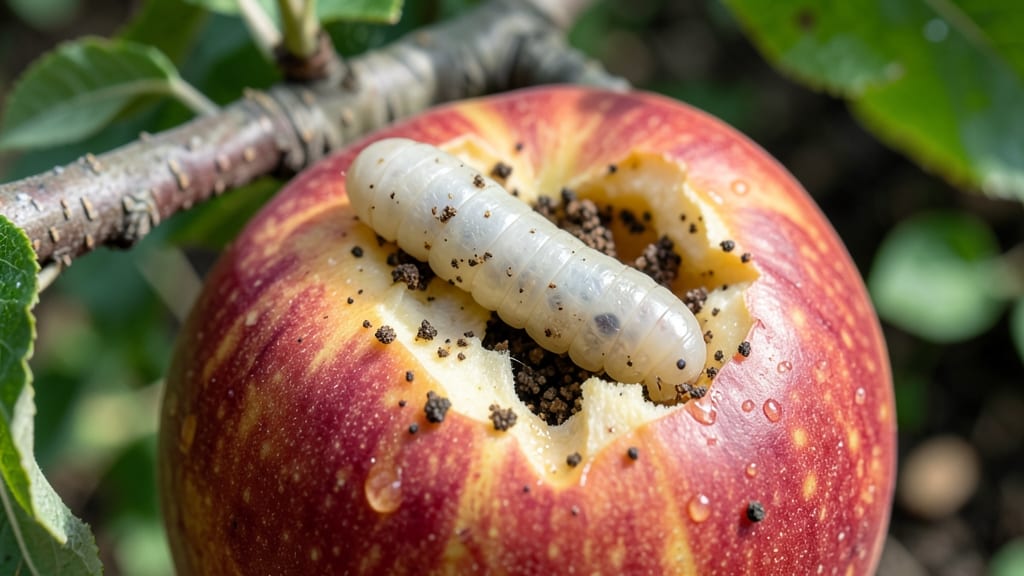
White worms chewing through your tree leaves? 🌿 Those fuzzy caterpillars—gypsy moth larvae or tent caterpillars—can strip a tree bare in weeks. I’ve watched my neighbor’s oak go from lush green to skeletonized in just two weeks, and I’m here to share how to stop them without toxic sprays.
These pests thrive in clusters, spinning silk tents or munching in plain sight. The damage isn’t just cosmetic—severe infestations weaken trees, making them vulnerable to disease. The good news? Nature already has solutions, from parasitic wasps to homemade sprays that work faster than you’d expect.
By the end of this, you’ll know how to identify the exact worm type, disrupt their lifecycle, and protect your trees using eco-friendly methods that actually work. No more waiting for chemical companies to save the day—just practical, tree-friendly fixes.
Whether you’re dealing with a single branch or a full-blown outbreak, these steps will get your trees back to thriving. Let’s tackle this before next season’s hatch.
Root Causes Of White Tree Infestations
When you spot clusters of white, worm-like creatures crawling on your trees—or worse, burrowing into the bark—it’s usually a sign of an underlying issue. These pests rarely appear out of nowhere; instead, they’re drawn to specific conditions that make your trees vulnerable.
Understanding these triggers is the first step toward preventing (or eliminating) them naturally. Let’s break down the most common reasons why these unwelcome guests show up in your yard.
Healthy trees are naturally resistant to pests because their bark, leaves, and roots produce natural repellents and have stronger structural integrity. When trees are stressed, they become easy targets for white tree worms (often wood-boring beetle larvae or sawfly caterpillars). Here’s what weakens them:
- Nutrient Deficiencies: Trees lacking essential nutrients (like nitrogen, phosphorus, or potassium) produce thinner bark and weaker sap—both of which attract pests. Yellowing leaves or stunted growth are red flags.
- Water Stress: Overwatering or drought can create the perfect conditions for pests. Too much moisture softens bark, while drought weakens the tree’s immune response.
- Disease or Fungal Infections: Fungi like honey fungus or powdery mildew damage bark texture, making it easier for larvae to penetrate. Look for discolored bark, oozing sap, or moldy growths.
- Physical Damage: Cracks, wounds from storms, or even pruning cuts provide entry points for pests. Smooth bark (common in young trees) is especially vulnerable.
💡 Pro Tip: Conduct a simple soil test and inspect your tree’s bark for signs of stress. Healthy trees are less likely to host pests long-term!
White tree worms thrive in environments where their natural predators are scarce or their food sources are abundant. This often happens when:
- Monoculture Plantings: Planting only one type of tree (e.g., a row of apple or willow trees) creates a buffet for pests. Without diversity, pests have no competition for resources.
- Lack of Beneficial Predators: Birds, ladybugs, and parasitic wasps naturally control many tree-dwelling pests. If your yard lacks these predators (due to pesticide use or habitat loss), worm populations explode.
- Excessive Leaf Litter or Debris: Piles of fallen leaves, wood chips, or dead branches create hidden nurseries for larvae. Moisture and decay accelerate their life cycle.
- Nearby Infested Trees: If a neighbor’s tree is already hosting white worms, they’ll migrate to healthier trees in your yard. This is why outbreaks often spread quickly.
🌡️ Actionable Fix: Introduce native flowering plants to attract predator insects or create a mulch-free zone around tree bases to reduce hiding spots.
Extreme weather, pollution, or soil contamination can directly trigger white worm infestations by altering a tree’s ability to fend off invaders. Key culprits include:
| Factor | How It Attracts Pests | Signs to Watch For |
|---|---|---|
| Drought | Weakens tree roots, reducing sap flow and making bark easier to penetrate. | Wilting leaves, dry soil, cracked bark. |
| Flooding | Drowns beneficial microbes, leading to rot and soft bark—ideal for larvae. | Waterlogged soil, mushroom growth at base, peeling bark. |
| Air Pollution | Damages leaf surfaces, reducing the tree’s ability to produce protective resins. | Brown leaf tips, stunted growth, sooty mold buildup. |
| Soil Contamination | Heavy metals or chemical runoff stress roots, making trees more susceptible. | Unusual leaf patterns, yellowing between veins. |
✨ Long-Term Solution: Improve soil health with compost or mycorrhizal fungi to boost tree resilience against environmental stressors.
White tree worms (like sawfly larvae or gypsy moth caterpillars) have specific life cycles tied to seasonal changes. Outbreaks often surge during:
- Spring: Eggs laid in late summer hatch as temperatures rise. New leaf growth attracts hungry larvae.
- Early Summer: Larvae are most active, skeletonizing leaves and burrowing into bark.
- Fall: Pupation occurs, and adults lay eggs for the next generation. Droppings (frass) on branches signal impending infestations.
🎯 Prevention Tip: Monitor your trees in late winter for egg masses (often on undersides of leaves) and remove them before hatching.
Effective Organic Fixes for Tree Worms
White tree worms—often mistaken for pests like bagworms or sawfly larvae—can stress your trees if left unchecked. The good news? You can tackle them naturally without harsh chemicals. Below are targeted solutions based on the root cause, along with prevention tips to keep your trees thriving.
If you spot small clusters of white worms (like tent caterpillars or gypsy moth larvae), hand-picking is your first line of defense.
How to do it: 🔥 🌳 Identify the culprits – Check for webs, silk strands, or defoliation. Common offenders include:
- Tent caterpillars (white fuzzy larvae)
- Sawfly larvae (smooth, white, and hairless)
- Gypsy moth caterpillars (pale with dark heads)
🍳 🕒 Time it right – Remove worms early morning or evening when they’re sluggish (they’re less likely to fly or drop).
👨🍳 🧤 Protect yourself – Wear gloves and long sleeves (some larvae can irritate skin).
🥘 🗑️ Dispose properly – Drop them into soapy water or a sealed bag to prevent reinfestation.
Pro Tip: 💡 If infestations are severe, repeat removal every 3–5 days until no more worms appear.
For larger outbreaks, organic sprays disrupt worm life cycles without harming beneficial insects.
| Solution | How to Apply | Best For |
|---|---|---|
| Neem Oil Spray | Mix 1 tbsp neem oil + 1 tsp mild soap in 1 quart water. Spray foliage and bark at dusk. | Tent caterpillars, sawflies, gypsy moths |
| Bacillus thuringiensis (Bt) | Sprinkle or spray Bt powder (a natural bacteria) on leaves. Reapply after rain. | Young larvae (safe for bees) |
| Horticultural Oil | Apply dormant oil in early spring to smother overwintering eggs. | Eggs and pupae stages |
| Spinosad Spray | Use a fermentation-based spray (like Monterey Garden Insect Spray). Target active larvae. | Persistent infestations |
Pro Tip: 🌡️ Timing matters! Apply sprays before worms hatch (early spring) or when they’re small (they’re less resistant).
Prevent future infestations by strengthening your trees and blocking access.
🔧 How to protect your trees:
- 🌳 Prune damaged branches – Remove heavily infested or dead limbs to reduce hiding spots.
- 🍃 Mulch properly – Apply 2–4 inches of organic mulch (wood chips, bark) to deter egg-laying pests.
- 🌿 Install tree wraps – Use fine mesh netting around young trees to block adult moths from laying eggs.
- 💧 Water deeply – Stressed trees attract more pests. Water slowly at the base (1–2 inches per week).
Pro Tip: ✨ Encourage natural predators! Birds, parasitic wasps, and ladybugs eat worm eggs. Plant native flowers (like dill or yarrow) to attract them.
Once you’ve treated an infestation, stop it from returning with these habits:
🎯 🌿 Inspect trees regularly – Check for egg masses (small white clusters) in fall/winter and scrape them off. 🔥 🍂 Clean up fallen leaves – Piles of debris harbor overwintering eggs.
Rake and compost or bag leaves. 🌡️ 🌱 Monitor tree health – Healthy trees resist pests better. Fertilize in early spring with compost or slow-release organic fertilizer. 🎯 🌳 Avoid broad-spectrum sprays – Chemicals kill beneficial insects that control worm populations naturally.
If your trees are heavily defoliated (more than 50% of leaves gone) or you’re dealing with large gypsy moth colonies, consider hiring an organic pest control expert. They can assess whether professional Bt applications or pheromone traps are needed.
Final Thought: With consistent monitoring and organic methods, you can keep white tree worms in check without chemicals. Your trees will stay strong—and so will your garden’s ecosystem! 🌳💚
Frequently asked questions about white tree worms
What do white tree worms actually look like?
White tree worms are usually hairless or fuzzy caterpillars measuring 1-2 inches long. Common types include tent caterpillars (with white fuzzy bodies), sawfly larvae (smooth and pale), or gypsy moth caterpillars (with dark heads). Look for silk webbing or droppings (frass) on branches as key identifiers.
Are these worms harmful to my trees?
Yes, severe infestations can defoliate trees and weaken them over time. While a few worms won't kill a healthy tree, large clusters can strip leaves in weeks, leaving trees vulnerable to disease. Young trees are most at risk.
Can I use soap spray to kill these worms?
Yes! A 1 tablespoon mild soap + 1 quart water spray works well for small infestations. Spray directly on worms (especially at night when they're less active). Reapply every 3-5 days until they disappear. Avoid harsh detergents that harm plants.
How do I know if the worms are gone for good?
Check for no new webbing, no droppings, and no live worms for at least 2 weeks. Also inspect the undersides of leaves for egg masses in fall/winter. Healthy new growth signals successful treatment.
Will birds help control these worms naturally?
Birds like robins, blue jays, and chickadees love eating tree worms. Install a bird feeder or nesting box near infested trees to attract them. You'll see them actively hunting worms during daylight hours.