
Blooming
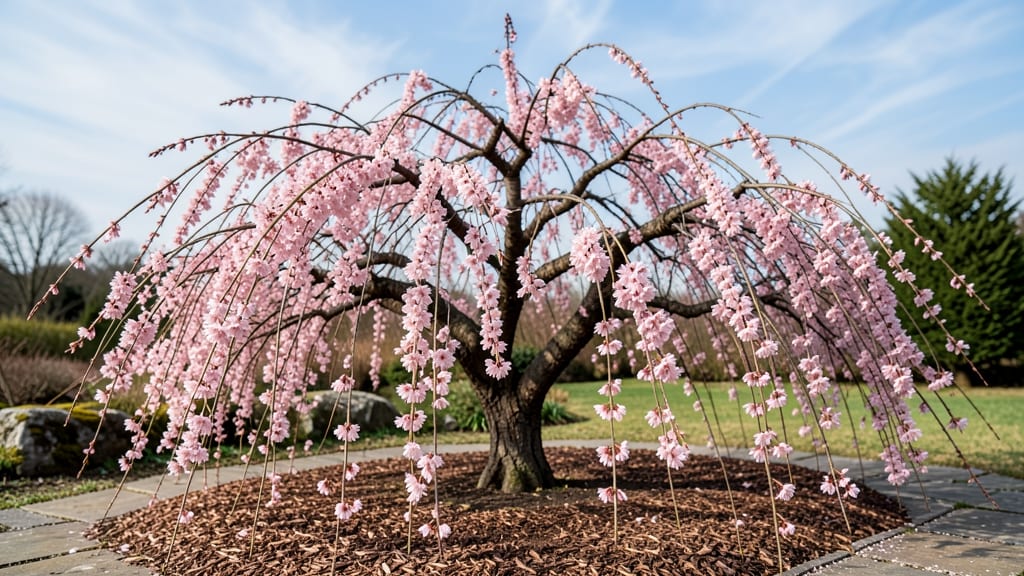
The weeping cherry tree bloom time varies by variety but typically unfolds in late April to early May in USDA Zone 6a, where those delicate pink or white cascades transform any garden into a dreamy spring tableau.
Timing your weeping cherry tree’s bloom is the secret to enjoying its breathtaking cascades of pink or white flowers—without waiting months for the perfect moment.
Whether you’re planning a wedding backdrop or simply savoring morning coffee under its branches, knowing the best months for blooms means you’ll never miss the show.
Climate plays a surprisingly big role: a warm winter can delay buds, while a chilly spring might bring them out earlier. Even the age of your tree matters—younger specimens often bloom later as they focus on root growth.
Below, we’ll break down the peak bloom windows for popular varieties and how to tweak conditions for the most dramatic display.
Beyond the calendar, there are small tricks—like pruning at the right time or choosing the right spot—that can extend your tree’s flowering season. Discover how to turn your weeping cherry into a year-round star, not just a spring sensation.
Weeping cherry tree bloom time by variety: when to expect peak flowers
There’s nothing quite like the sight of a weeping cherry tree in full bloom, its branches heavy with delicate pink or white flowers. But timing is everything—knowing when to expect those peak blooms helps you plan garden visits, weddings, or simply enjoy the show without the wait.
Different varieties bloom at different times, and your USDA zone can shift those windows by weeks. Let’s break down the bloom schedules for the most popular weeping cherry varieties so you can mark your calendar!
Most weeping cherries bloom in early to mid-spring, but some varieties are early risers while others play it cool. For example, Prunus subhirtella ‘Pendula’ often blooms weeks before its cousins, while Prunus serrulata ‘Kanzan Weeping’ puts on its show later in the season.
Your location’s chill hours (the number of hours below 45°F) also play a huge role—trees in colder zones may bloom earlier than those in mild climates. Let’s dive into the specifics so you can predict your tree’s flowering peak like a pro!
The Prunus subhirtella ‘Pendula’ is a standout for early bloomers, often gracing gardens with its pink flowers as early as February in warmer zones (7-9). This variety is a favorite for those who can’t wait for spring—its blooms can even linger into late winter if temperatures stay mild.
For a dramatic late-spring show, the Prunus serrulata ‘Kanzan Weeping’ delivers deep pink blooms in April, making it ideal for gardeners in USDA zones 5-8 who want a bold statement.
If you’re in a cooler climate (zones 5-6), expect blooms to arrive slightly later—often 2-3 weeks behind the southern zones.
For example, Amanogawa in Zone 5 might not hit peak bloom until mid-April, while the same tree in Zone 8 could be in full flower by early March. Always check your last frost date and adjust expectations accordingly—you don’t want frost damaging those delicate cherry blossoms!
Pro tip: Watch for bud swell
How climate and location affect weeping cherry bloom timing
Your weeping cherry tree’s bloom timing isn’t set in stone—it’s influenced by where you live and local weather patterns. While most varieties bloom in late March to April, your tree might flower weeks earlier or later depending on chilling hours, microclimates, and even nearby buildings or pavement.
Understanding these factors helps you predict and adjust bloom windows for maximum enjoyment.
For example, Prunus subhirtella ‘Pendula’ typically blooms in USDA Zone 6 around mid-April, but in Zone 8, it may start as early as February. Meanwhile, urban areas can experience heat island effects, delaying blooms until May.
These shifts matter—especially if you’re planning spring events or garden parties around your tree’s flowers.
⚠️ callout warning ⚠️
Your tree’s microclimate plays a huge role too. A spot near a south-facing wall or paved driveway can trap heat, pushing blooms 2-3 weeks later than a cooler, shaded area. Even a 5°F difference between your yard and a neighbor’s can shift bloom timing.
To test your microclimate, monitor your tree’s bud swell—when buds begin to plump up in late winter, you’re just 3-4 weeks from peak blooms.
Urban gardeners often face urban heat islands, where concrete and asphalt raise temperatures by 5-10°F compared to rural areas. This can delay blooms by up to 3 weeks in cities like Los Angeles or Phoenix.
To compensate, plant your weeping cherry in the coolest part of your yard, like near a water feature or under partial shade from taller trees. Mulching with 3-4 inches of organic mulch also helps regulate soil temperature.
If your tree blooms too early (like in February), late frosts can damage flowers. To protect blooms, cover your tree with frost cloth on nights when temps drop below 28°F.
For late bloomers, light pruning after flowering encourages more robust buds for next year. Always prune in late spring or summer—never in winter, as this removes next year’s flower buds.
For gardeners in warmer climates, selecting low-chill varieties like ‘Kanzan Weeping’ or ‘Amanogawa’ ensures reliable blooms. In cooler zones, varieties like ‘Pendula’ thrive with more chilling hours. By matching your location and variety, you can enjoy consistent, stunning blooms year after year.