
Pruning
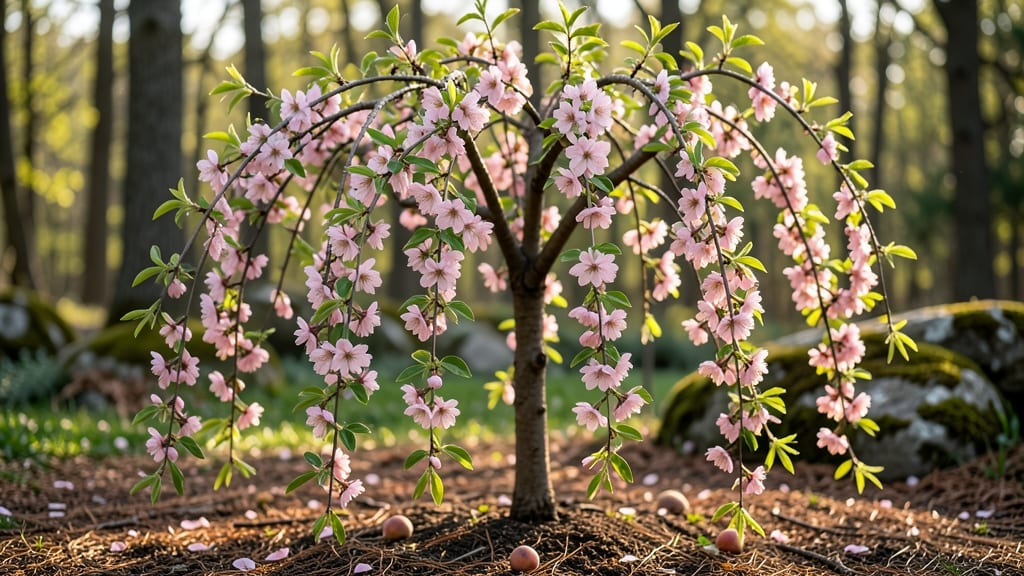
A full-grown weeping peach tree 🍑 can reach 15 to 25 feet tall, transforming your yard into a living work of art—but only if you prune it right.
Picture this: lush, cascading branches heavy with fruit, their delicate blooms swaying in the breeze. But skip the pruning, and those branches tangle, the fruit thins out, and the tree’s signature grace disappears.
That’s why knowing when and how to shape it is the key to keeping your weeping peach tree looking its best.
In this guide, I’ll walk you through the seasonal pruning steps that keep your tree’s iconic form intact while boosting fruit production. We’ll cover everything from thinning crowded branches to avoiding common mistakes that leave your tree stressed or stunted.
Ready to turn your weeping peach tree into a showstopper? Let’s dive into the techniques that’ll keep it thriving for years.
How to prune a full-grown weeping peach tree for optimal shape & health
A weeping peach tree full grown is a stunning centerpiece in any garden, but its graceful form requires careful pruning techniques to thrive. Without regular maintenance, branches can become overcrowded, reducing airflow and inviting disease.
The key is balancing structural support with fruit production while preserving its iconic cascading shape.
Pruning isn’t just about aesthetics—it’s about tree health. I’ve learned that seasonal timing matters most: winter pruning shapes the tree, while summer pruning encourages fruit-bearing branches. Let’s dive into the step-by-step process to keep your weeping peach tree looking majestic and productive for years.
Step-by-Step Pruning Guide for Weeping Peach Trees
Best time: Late winter (Feb-Mar), before buds swell
Remove dead or diseased branches first using sterilized pruners. Cut back 1/3 of the oldest growth to encourage new, vigorous branches. Focus on thinning crowded branches to improve airflow.
Goal: Maintain weeping form
Shape the tree by heading back overgrown branches to bud unions. Avoid cutting into the trunk’s main scaffold. Use a 3-cut method for large branches to prevent tearing.
Best time: June-July, after fruiting
Lightly trim water sprouts and suckers to redirect energy to fruit production. Avoid heavy pruning—focus on balancing branch density and removing crossing limbs that rub.
For mature trees (10+ years)
Add sturdy stakes or cables to support heavy branches. Use tree ties to secure limbs without girdling. This prevents branch breakage under fruit weight.
Critical for disease prevention
Wipe pruners with rubbing alcohol between cuts to prevent bacterial spread. Dispose of infected branches immediately to avoid reinfection.
When pruning your weeping peach tree, always prioritize air circulation—this reduces humidity in the canopy, cutting down on fungal diseases like peach leaf curl. I’ve found that thinning branches by 20-30% in winter gives the tree room to breathe while maintaining its elegant form.
For fruit-bearing branches, avoid cutting back more than 1/4 of the canopy in a single season. Over-pruning stresses the tree and can reduce next year’s harvest. Instead, spread cuts over multiple years to maintain a steady fruit production cycle.
Pro tip: Use a pruning paint on large cuts (over 2 inches) to seal wounds and prevent insect infestations. This simple step can extend the life of your tree by years. Always make cuts just outside the branch collar to promote faster healing.
If your tree has weak limbs, consider installing a cable support system during dormant season. I’ve seen weeping peach trees with branches so heavy they snap under fruit weight—adding support early prevents costly damage. Use galvanized steel cables for durability and adjust tension as branches grow.
Finally, monitor your tree after pruning. New growth should appear within 4-6 weeks if cuts were made correctly. If you notice yellowing leaves or stunted branches, you may have pruned too aggressively. Adjust your approach for the next season.
With these techniques, your weeping peach tree will stay healthy, productive, and stunning—just like the one in my backyard that’s been gracing my garden for over a decade. Happy pruning! 🪴
Common pruning mistakes that stunt growth or reduce fruit in weeping peach trees
A weeping peach tree full grown thrives on precision pruning, but even small mistakes can drastically reduce fruit production and weaken its iconic cascading form. I’ve seen gardeners accidentally turn lush canopies into sparse, struggling branches just by making a few avoidable errors.
The key is understanding what your tree needs—not just what it tolerates.
One of the biggest mistakes is pruning at the wrong time. Many gardeners assume late winter is always safe, but for weeping peaches, timing matters even more.
Cutting too early can expose fresh wounds to late frosts, while pruning too late delays the tree’s energy reserves needed for spring blooms. Even a 1-2 week delay can mean fewer flowers—and fewer peaches come harvest season.
⚠️ callout-warning ⚠️
- Over-pruning: Removing more than 25% of branches in one session stresses the tree and reduces next year’s fruit.
- Improper cuts: Leaving stubs or cutting too close to the trunk invites disease and weakens branch structure.
- Neglecting deadwood: Dead or diseased branches harbor pests and fungal spores, spreading to healthy growth.
Pro Tip: Use sterilized pruners and make cuts at a 45-degree angle just outside the branch collar.
Another common error is focusing only on outward appearance rather than structural health. I’ve seen gardeners trim branches to "neaten" the tree, only to realize later that they’ve removed critical water sprouts or fruit-bearing laterals.
A weeping peach’s beauty comes from its balance—too much thinning weakens the tree’s ability to support its own weight, especially when laden with fruit.
Improper cutting techniques also sabotage growth. Many gardeners make the mistake of cutting branches too close to the trunk or leaving long, awkward stubs. These jagged cuts create entry points for bacteria and fungi, like brown rot, which can devastate your harvest.
Always aim for clean, precise cuts just outside the branch collar—the swollen area where the branch meets the trunk.
Finally, ignoring seasonal maintenance is a silent killer of productivity. Weeping peach trees need year-round attention, not just during bloom season. Summer pruning to thin out crowded branches improves airflow, reducing humidity-related diseases. Meanwhile, winter pruning should focus on removing crossing branches and deadwood to prevent winter dieback.
By avoiding these mistakes, your weeping peach tree full grown will reward you with a bountiful harvest and a graceful, long-lasting silhouette that’s the envy of the neighborhood.
Start with the right tools—a sharp bypass pruner and sterilized loppers