
Pruning
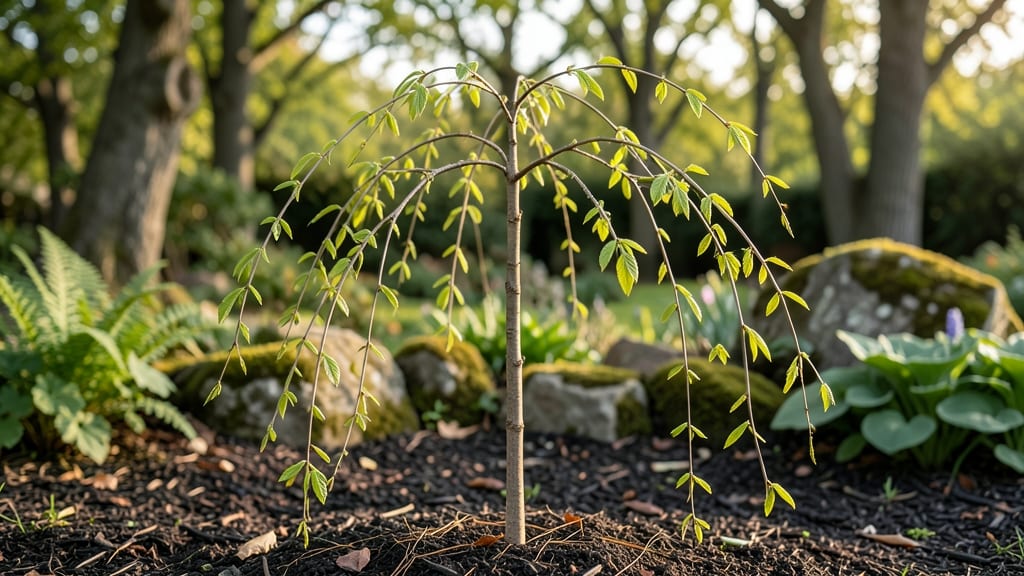
That first weeping cherry tree sapling you bring home could become the centerpiece of your yard—if you prune it right from day one. ✂️ I’ve watched too many beautiful weeping cherries grow into tangled messes because owners waited too long to shape them.
The secret? Cold-hardy pruning in the first year sets the foundation for a graceful, year-round silhouette that thrives through winter.
Most people think pruning means cutting back hard, but with weeping cherries, it’s about guiding growth—thinning crowded branches, opening the center for light, and encouraging that signature cascading shape. Start by removing any vertical shoots that want to grow straight up; these compete with your desired weeping form.
A sharp pair of pruners and a sunny afternoon are all you need to begin transforming that sapling into a showstopper.
By late winter, you’ll see the difference: clean lines, better airflow, and branches that naturally weep instead of sprawl. The tree will reward you with healthier blooms in spring and fewer pests year-round. Even in Zone 4 winters, these pruning habits keep your weeping cherry looking intentional, not wild.
This works for any weeping cherry variety—‘Kwanzan,’ ‘Tieton,’ or ‘Stella Compact’—just adjust timing slightly for your climate. Let’s get that sapling shaped for decades of beauty.
📚 In This Guide
- What you need
- Instructions
- Tips and common mistakes
- Wrapping up and next steps
What you need
- ● Bypass pruners – Sharp, clean, and sterilized (1 pair, 7–9" blades for precision cuts).
- ● Loppers – For thicker branches (1 pair, 18–24" reach).
- ● Hand saw – For stubborn, woody growth (1, 8–10" blade).
- ● Rubbing alcohol (70% or higher) – To sterilize tools between cuts (small bottle).
- ○ Pruning sealant – Optional but helpful for large cuts (1 small jar).
- ● Garden gloves – Cut-resistant, snug fit (1 pair).
- ● Ladder or step stool – For higher branches (stable, 6–8 ft tall).
- ● Disposable pruning bags – To collect debris (1–2 bags).
- ● Sharpie or permanent marker – For marking cuts (1).
- ● Disinfectant spray – For tool sanitization (e.g., 10% bleach solution).
- ● Pruning shears (for fine trimming) – For delicate branches (1 pair).
- ● Extension pole pruners – For hard-to-reach spots (1, 6–10 ft).
- ● Tree wound dressing – For extra protection on cuts > ½" thick.
- ● Notebook & pen – To track pruning dates and notes.
Step-by-step instructions for pruning a weeping cherry tree sapling
Here’s the precise method I’ve used to maintain weeping cherries’ elegant shape while keeping them resilient through winter.
✂️ Step 1: Time Your First Pruning for Spring Awakening
Prune your weeping cherry sapling in early spring, just as buds begin to swell but before leaves emerge. This timing ensures you’re not cutting into new growth that’s already started. I wait until late March or early April in my zone, when the air stays above 40°F but hasn’t yet hit the 50°F range. Cold-hardy varieties like ‘Kanzan’ or ‘Okame’ can handle this, but avoid pruning after buds break—you’ll risk bleeding sap and inviting disease.
Use clean, sharp pruners to make cuts at a 45-degree angle about ¼ inch above a bud that faces outward. This angle prevents water from pooling on the cut. If you’re working with a young sapling, focus on removing dead, crossing, or inward-growing branches first—these compete for energy and distort the weeping habit. I always start with the lowest branches to maintain that graceful, cascading silhouette.
☀️ Step 2: Shape for Balance and Light Penetration
Weeping cherries grow best when their branches receive even sunlight exposure. Step back and visualize the tree’s natural shape—your goal is to preserve the weeping silhouette while encouraging airflow. Remove any branches that grow straight up or too horizontally, as these disrupt the tree’s elegant form. Aim to keep the outer branches longer than the inner ones to maintain that flowing, umbrella-like structure.
For saplings, I limit cuts to no more than 25% of the foliage in a single session. Over-pruning stresses young trees, especially in their first few years. If you’re unsure about a cut, err on the side of caution—you can always prune more next year. Watch for sucker growth at the base; these compete with the main structure and should be removed immediately with a clean cut at the soil line.
⏰ Step 3: Summer Maintenance to Encourage Fullness
Mid-summer is the time to fine-tune shape and thin out crowded branches. Look for areas where growth is too dense—this is where pests or diseases hide. Remove smaller branches that are growing in the center of the tree, as these steal light and air from the outer branches. I use hand pruners for branches under ½ inch thick and loppers for anything thicker, always making cuts just outside the branch collar.
This is also when you’ll notice water sprouts—fast-growing, vertical shoots that pop up along the trunk or branches. These are energy vampires; snip them off at the base. If your sapling has long, leggy branches, you can lightly pinch back the tips to encourage bushier growth. Just don’t overdo it—weeping cherries rely on their natural habit, so prune with restraint.
❄️ Step 4: Winter Pruning for Cold-Hardy Resilience
Winter is the only other time I prune weeping cherries, and only if necessary. Wait until late winter, just before buds swell again. This final trim removes dead wood, weak growth, and any branches that might have been damaged by ice or wind. Make your cuts just outside the branch collar—this helps the tree seal the wound faster and reduces the risk of disease.
I also use this time to thin out the canopy slightly if the tree looks too dense. Cold-hardy varieties like ‘Stella Compact’ can handle this, but avoid heavy pruning—your goal is to maintain structure, not reshape. After pruning, apply a wound sealant (like Tree Seal) to cuts larger than ½ inch to protect against winter sunscald. Finish by mulching the base with 2-3 inches of organic mulch to insulate roots.
🌿 Step 5: Year-Round Checks for Long-Term Health
Between pruning sessions, keep an eye out for pests like aphids or borers, which love weeping cherries. Treat infestations early with neem oil or insecticidal soap to avoid stressing the tree. Also, watch for cankers—sunken, discolored areas on branches—that signal fungal issues. Prune these out immediately, sterilizing your tools with rubbing alcohol between cuts to prevent spread.
Finally, water deeply once a month during dry spells to encourage strong root growth. Weeping cherries are drought-tolerant once established, but saplings benefit from consistent moisture. If you notice yellowing leaves in summer, it’s often a sign of overwatering or poor drainage—adjust your routine accordingly. With this approach, your sapling will develop into a stunning, cold-hardy specimen that keeps its shape year after year.
Tips & tricks for pruning weeping cherry saplings
Mastering the art of pruning weeping cherries transforms a basic sapling into a stunning, cold-hardy centerpiece. Here’s what I’ve learned through years of shaping these elegant trees.
Timing is Everything: The early spring window—between 40°F and 50°F—is non-negotiable for first-time pruning. I’ve seen saplings stressed when pruned too early (before buds swell) or too late (after leaves emerge). The key is catching that moment when buds are plump but leaves haven’t unfurled. If you miss it, wait until late winter for your next opportunity. Cold-hardy varieties like ‘Kanzan’ forgive minor timing slips, but consistency builds resilience.
The 45-Degree Rule: Every cut should be made at a 45-degree angle about ¼ inch above an outward-facing bud. This isn’t just about aesthetics—it’s about tree health. The angle prevents water from pooling on the cut, which reduces rot risk. I use a small pencil to mark my target bud before cutting, especially when working with young saplings where branches are tiny. This precision keeps the weeping habit intact while encouraging outward growth.
Tool Maintenance Matters: Your pruners are the most critical tool, yet many overlook their care. Sterilize blades between cuts with rubbing alcohol to prevent disease spread, especially when dealing with cankers or pest damage. I sharpen my pruners annually and store them in a dry place to prevent rust. Dull tools crush branches instead of making clean cuts, which stresses the tree. For branches thicker than ½ inch, switch to loppers—they provide the leverage needed for clean cuts without tearing bark.
Winter Prep for Next Year: After your late winter pruning, don’t forget the finishing touches. Applying a wound sealant to cuts larger than ½ inch protects against winter sunscald, while 2-3 inches of organic mulch insulates roots. I’ve seen saplings recover poorly from winter damage because homeowners skipped these steps. The mulch also suppresses weeds, which compete for moisture and nutrients. Think of it as winterizing your tree for the next growing season.
Pro Tips for Weeping Cherry Tree Sapling
- Mastering the art of pruning weeping cherries transforms a basic sapling into a stunning, cold-hardy centerpiece.
- Timing is Everything: The early spring window—between 40°F and 50°F—is non-negotiable for first-time pruning.
- The 45-Degree Rule: Every cut should be made at a 45-degree angle about ¼ inch above an outward-facing bud.
Frequently asked questions
Got questions about caring for your weeping cherry tree sapling? You’re not alone! Here are answers to the most common concerns—from pruning tips to troubleshooting—so you can keep your tree thriving year-round.
When is the best time to prune a weeping cherry sapling?
Prune your weeping cherry tree sapling in late winter or early spring (before buds swell) for cold-hardy growth. Avoid heavy pruning in fall—it can stimulate tender new growth vulnerable to frost. Light shaping in summer (after flowering) is fine, but focus on removing dead or crossing branches rather than drastic cuts.
How cold-hardy are weeping cherry saplings, and how do I protect them?
Most weeping cherry saplings (like Prunus subhirtella) tolerate USDA Zones 5-8. For extra protection in colder zones, mulch the base with 3–4 inches of organic mulch (like shredded bark) and wrap young trunks with tree guards if temps dip below -15°F. Water deeply before winter to prevent drought stress.
Can I prune a weeping cherry sapling too much?
Yes! Over-pruning—especially cutting back more than 25% of the foliage—can stress your sapling, reducing flowering and weakening its structure. Weeping cherries thrive on light, strategic pruning. Focus on removing water sprouts, dead wood, and inward-growing branches to maintain that graceful, cascading shape.
What if my weeping cherry sapling isn’t blooming?
Lack of blooms often stems from over-fertilizing with high-nitrogen feeds (which encourages leafy growth over flowers) or pruning at the wrong time (e.g., after buds form). Try a balanced 10-10-10 fertilizer in early spring and avoid heavy pruning post-flowering. Patience helps—young saplings may take 3–5 years to bloom fully.
Are there dwarf alternatives to weeping cherry saplings?
If space is limited, consider these cold-hardy dwarf varieties:
- ‘Kwanzan’ Cherry (Prunus serrulata ‘Kwanzan’) – Compact, with stunning pink blooms (Zones 5–8).
- ‘Snow Fountain’ Weeping Cherry (Prunus serrulata ‘Snow Fountain’) – Dwarf weeping habit, white flowers (Zones 5–8).
- ‘Shirotae’ (Prunus serrulata ‘Shirotae’) – Slow-growing, with pure white blossoms (Zones 5–9).
Dwarf varieties still need 6–10 feet of space but are easier to prune and maintain.
Wrapping up and next steps
Your weeping cherry tree sapling is now ready to thrive year-round with its graceful, cold-hardy shape! 🌸 By mastering the art of strategic pruning—balancing growth, airflow, and seasonal care—you’ve set the stage for a stunning, long-lasting centerpiece.
Remember, patience and consistency are key, so keep an eye on its progress and adjust as needed.
Ready to take the next step? Share your pruning journey with fellow gardeners, or explore advanced techniques like coppicing or espalier training to elevate your skills even further. Happy pruning—your tree’s beauty is just beginning! 🌿✨