
Companion Plants
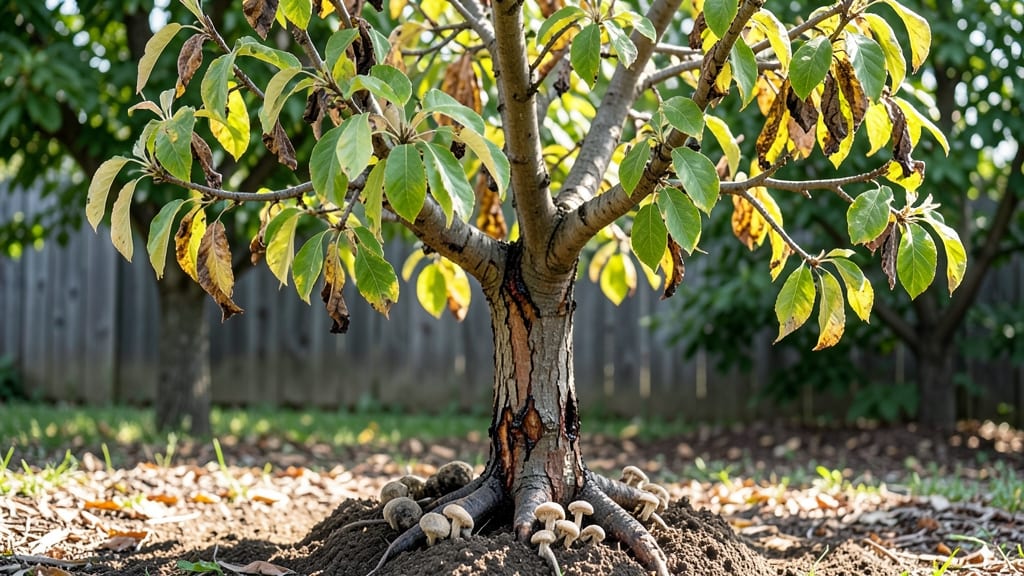
An overwatered peach tree looks like it’s drowning—leaves turn sickly yellow, stems soften like overcooked pasta, and the soil smells rotten instead of fresh. 🌱 I’ve seen trees collapse under too much love, and the signs are impossible to miss if you know what to watch for.
Yellowing leaves start at the bottom, paired with mushy brown spots where fungal growth takes hold. The canopy sags like a wet blanket, and you might spot white mold clinging to branches—this is root rot’s calling card.
Worse, the roots themselves turn black and mushy when you dig, instead of the healthy tan color they should be. The fix starts with cutting back watering to once a week (or less, depending on rain) and amending the soil with sand or compost to improve drainage.
Prune any dead branches immediately—they’re just spreading the problem. Within 2-3 weeks, you’ll see new green leaves pushing through if the roots are still salvageable. Prevention is easier: stick your finger in the soil before watering—if it’s damp 2 inches down, wait.
A drip irrigation system with a timer keeps moisture consistent without overdoing it. Trust me, your peach tree will thank you with juicy fruit instead of sad, soggy branches.
Root Causes of Overwatering
Overwatering a peach tree isn’t just about pouring too much water—it’s a complex interplay of environmental, soil, and management factors that can drown your tree’s roots and disrupt its health. Understanding these causes helps you prevent future damage and revive your peach tree before it’s too late.
Let’s dig into the science behind why your tree might be getting too much love from the hose or rain.
Peach trees thrive in well-draining soil, but when water can’t escape quickly enough, roots suffocate. Here’s why this happens:
- Compacted or Clay-Heavy Soil: Clay soils hold water like a sponge, leaving roots waterlogged.
If your soil feels dense or sticky when dry, it’s likely the culprit. Test it: Dig a hole near the tree—if water pools or drains slower than 4 hours, drainage is the issue. - Lack of Organic Matter: Soil rich in compost or mulch improves aeration, but if your soil is mostly sand or hardpan (a dense layer of soil), water pools around roots instead of seeping down. - Improper Planting Depth: Planting a peach tree too deeply or burying the graft union traps moisture against the trunk, promoting rot.
Roots need room to breathe horizontally, not vertically.
💡 Pro Tip: Amend heavy soil with sand, perlite, or compost to create air pockets. For clay soil, consider raised beds or mounding soil to encourage drainage.
Even well-meaning gardeners can overdo it. Here’s how human error leads to soggy roots:
- Watering on a Schedule: Peach trees need 1–1.5 inches of water per week (including rain), but rigid schedules ignore natural rainfall. Check soil moisture first: Stick your finger 2–3 inches deep—if it’s damp, skip watering. - Shallow, Frequent Watering: Light sprinkles encourage roots to stay near the surface, where they’re more prone to drying out or drowning.
Instead, deep watering (soaking the root zone 12–18 inches down) promotes deeper, drought-resistant roots. - Automatic Irrigation Gone Wild: Drip systems or sprinklers left running can deliver double the needed water, especially in humid climates. Adjust timers: Run systems for 10–15 minutes, 2–3 times per week, and monitor soil.
⚠️ Warning: Overwatering in hot, dry climates is less harmful than in cool, humid areas—excess moisture in cold weather slows evaporation, trapping water around roots.
Mulch is a gardener’s best friend—until it’s not. Too much or the wrong type can smother roots and trap moisture:
- Mulch Piles Against the Trunk: Mulch should form a 2–4 inch layer around the tree, not a volcano touching the trunk. This creates a moisture barrier, inviting fungal diseases like root rot. - Impermeable Mulch: Plastic or thick cardboard mulch blocks water and air flow.
Opt for wood chips, straw, or pine needles, which break down and improve soil over time. - Over-Mulching: A 6+ inch layer suffocates roots and prevents oxygen from reaching them. Rule of thumb: Keep mulch 3–4 inches deep and 6 inches away from the trunk.
🌡️ Science Note: Mulch works best in hot climates to retain moisture, but in wet climates, it can backfire. Adjust based on your region!
Mother Nature plays a huge role in overwatering, especially if you’re not adapting your care:
- Heavy or Frequent Rainfall: Peach trees in Pacific Northwest or Gulf Coast regions get more rain than they need. If your area gets >2 inches of rain in 24 hours, skip watering for a week. - High Humidity: Moist air slows evaporation, keeping soil damp longer.
In humid summers, reduce watering by 30–50%. - Poor Airflow: Trees in shady or enclosed spaces (like tight orchards) dry out slower. Prune nearby branches and ensure 6–10 feet of space between trees for airflow.
🔥 Quick Fix: If rain is forecasted, pause watering 48 hours beforehand to avoid double-dosing your tree.
Sometimes, overwatering is a symptom, not the cause. Check for these hidden issues:
- Root Rot (Phytophthora): Fungal infections thrive in saturated soil.
Look for black, mushy roots or a foul smell. Solution: Improve drainage and apply fungicide if needed. - Root-Boring Insects: Grubs or nematodes create tunnels, disrupting water flow. Healthy roots handle moisture better—treat with beneficial nematodes or neem oil. - Girdling Roots: Roots growing in circles around the trunk strangle the tree, trapping water.
Prune excess roots with sterilized tools to restore airflow.
🎯 Prevention: Regularly inspect roots during spring pruning—healthy roots should be white or tan, not brown or slimy.
Even before you water, your peach tree’s foundation might be flawed:
- Transplant Shock: Newly planted trees need less water for the first 2 weeks while roots establish. Overwatering can drown them before they adapt. - Improper Root Pruning: Nurseries sometimes sever roots to keep trees compact.
If not given time to regrow, they’re vulnerable to water stress. - Wrong Tree for the Climate: Peach trees in USDA Zones 5–9 need cold dormancy. If planted in a tropical zone, their roots may struggle with excess moisture year-round.
🔪 Solution: When planting, score the root ball (make 2–3 vertical cuts) to encourage new root growth and better water absorption.
Revive Your Peach Tree Now
Overwatering can turn your thriving peach tree into a sad, drooping mess—but the good news is, it’s often reversible with the right steps. Below, we’ll match your tree’s symptoms to the best fixes, plus tips to keep it healthy long-term.
Let’s get your peach tree back to its vibrant, fruit-bearing glory!
If your peach tree’s leaves are turning yellow (especially the older ones) and feel mushy or spongy, it’s likely suffering from root rot—a classic overwatering symptom. Here’s how to nurse it back to health:
🔥 Step 1: Stop Watering Immediately
- Why? Wet soil suffocates roots, preventing them from absorbing oxygen.
- How? Pause all watering for 3–5 days to let the soil dry out. Use your finger to check moisture—if the top 2–3 inches are damp, wait longer.
🍳 Step 2: Improve Soil Drainage
Poor drainage is the root (pun intended) of the problem.
Fix it with these tweaks: - Add organic matter: Mix compost or well-rotted manure into the top 6–12 inches of soil to loosen it up. - Raise the tree (if needed): If your tree sits in a low spot where water pools, mound gravel or sand around the base to create a slight slope. - Avoid compacted soil: If your yard has heavy clay, consider amending the soil with perlite or coconut coir.
👨🍳 Step 3: Prune Damaged Foliage
- Snip off yellow or blackened leaves with clean pruners to redirect the tree’s energy to healthy growth.
- Focus on lower branches first—they’re most affected by poor drainage.
🥘 Step 4: Apply Fungicide (If Needed)
If you spot black, mushy roots or a foul smell, root rot may have set in.
Treat it with: - Copper fungicide (follow label instructions) to prevent fungal spread. - Hydrogen peroxide (3%): Soak affected roots in a 1:10 water solution for 10 minutes to kill pathogens.
A wilting peach tree with leathery, dark green leaves (but no yellowing) might be stressed from compacted soil or poor aeration. Try these fixes:
⏰ Step 1: Aerate the Soil
- Use a garden fork to poke holes 6–12 inches deep around the tree’s drip line (the area under the canopy).
- For heavy clay soil: Rent an aerator or hire a pro to break up compaction.
🔪 Step 2: Mulch Correctly
- Remove old mulch (if it’s more than 2 inches thick) and replace it with 2–3 inches of wood chips or straw.
- Keep mulch 6 inches away from the trunk to prevent rot.
🌡️ Step 3: Water Deeply but Less Often
- Water deeply 1–2 times per week (instead of daily shallow watering) to encourage deep root growth.
- Use a moisture meter to check soil levels—peach trees prefer moderately moist (not soggy) soil.
Once your tree is on the mend, keep it thriving with these long-term strategies:
- 🎯 Test your soil: Use a DIY soil test kit to check pH and drainage.
Peach trees prefer slightly acidic soil (6.0–7.0). - ✨ Install a drip irrigation system: This delivers water slowly and evenly, reducing runoff. - 🌧️ Plan for rain: If your area gets heavy rainfall, divert water away from the tree’s base with a swale or French drain. - 🍑 Monitor growth seasonally: Prune in late winter to improve airflow and reduce disease risk.
If your peach tree is severely stunted, oozing sap, or covered in mold, root rot may have spread beyond simple fixes.
A certified arborist can assess damage and recommend solutions like: - Root pruning (trimming affected roots). - Soil replacement (digging out compacted soil and replacing it with fresh, amended dirt).
Your peach tree can bounce back—just give it time, the right care, and a little patience. With these steps, you’ll be enjoying juicy peaches (and fewer yellow leaves) in no time! 🍑🌿
Frequently asked questions
How can I tell if my peach tree is overwatered vs. underwatered?
Overwatered peach trees show yellowing leaves that start at the bottom, mushy stems, and a soggy soil smell. Underwatered trees have crispy brown edges on leaves and dry, cracked soil. Check the roots: healthy ones are tan, while overwatered roots turn black and mushy.
Will my peach tree recover from overwatering if I stop watering?
Yes, but it takes 2-4 weeks of proper care. Stop watering immediately, improve drainage with compost, and prune dead branches. If root rot has set in (black, foul-smelling roots), you may need fungicide. Monitor soil moisture—water only when the top 2 inches are dry.
Why does my peach tree still look sad after I fixed the watering?
Root damage from overwatering can take time to heal. If leaves stay yellow or branches droop, check for nutrient deficiencies (use a soil test) or pests like aphids. Also ensure proper sunlight—peach trees need 6-8 hours of sun daily. If no improvement after 4 weeks, consult an arborist.
Can I use coffee grounds to help my overwatered peach tree?
Yes, but sparingly! Coffee grounds improve soil drainage and provide nitrogen, but too much can acidify soil. Mix 1 cup into the top 6 inches of soil per 5 feet of tree, then water lightly. Avoid piling grounds directly against the trunk to prevent mold.
How often should I water a peach tree after fixing overwatering?
Water deeply 1-2 times per week (or less in rainy climates), soaking the soil 12-18 inches deep. Use a moisture meter to avoid guesswork. Mature trees need 1-1.5 inches of water weekly, but adjust for heat—water more in 90°F+ weather. Early morning is best to reduce evaporation.