
Plants
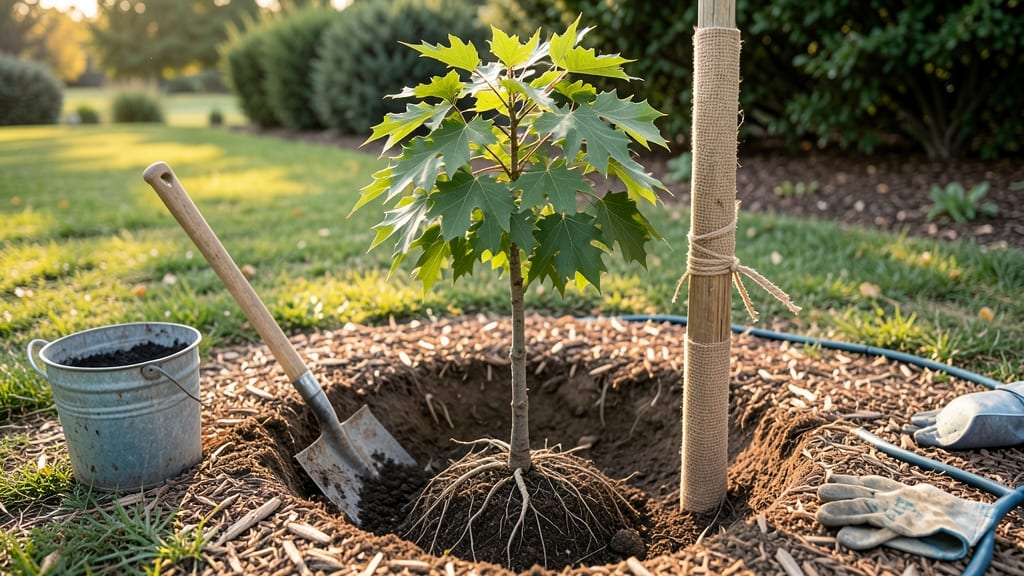
The best time to plant a tree in Iowa is during late spring (April–May) or early fall (September–October)—when soil is workable and frost risks are low.
Picture this: You dig a hole, place your new 🌳 in the ground, and walk away confident it’ll grow strong. But if you plant too early, a late frost could shock the roots.
Too late, and summer heat stresses young trees before they establish. Iowa’s 5a–5b zones make timing even more critical.
Spring planting gives trees the entire growing season to root before winter, while fall lets them settle before dormancy. Both windows avoid the extremes of Iowa’s climate—no more guessing whether your tree will survive the first year.
Below, I’ll break down the exact months for your zone, soil prep tips to avoid common mistakes, and how to keep your tree thriving long after planting day.
Iowa’s USDA zones: how climate affects the best tree planting months
Iowa’s USDA hardiness zones 5a-6b create a unique climate puzzle for tree planters. The 5a zone (northern Iowa) faces earlier springs and later falls, while 6b (southern Iowa) enjoys longer growing seasons. These differences mean your planting window could shift by 4-6 weeks depending on where you live.
Spring planting in Iowa typically starts after the last frost date—usually mid-April to early May—but fall planting offers a second chance from mid-September to early November.
Fall-planted trees benefit from cooler soil temperatures and established roots before winter, while spring gives them a full growing season to establish.
Soil temperatures matter just as much as air temperatures. For optimal root growth, aim for soil temps above 50°F—a condition met in late April in southern Iowa but not until mid-May in the north.
Fall planting works best when 6-8 weeks before first frost, giving roots time to anchor before winter dormancy.
Iowa’s climate also brings seasonal risks that can make or break your tree’s survival. In spring, late frosts can damage tender new growth, while fall brings unpredictable storms that can uproot newly planted trees.
Southern Iowa’s warmer microclimates allow for earlier planting, but northern regions must wait for soil warmth to avoid root rot.
For bare-root trees, spring planting is ideal because roots can re-establish quickly in warming soil. Container-grown trees, however, handle fall planting better because their roots stay intact. Always check the root flare—the swollen area where roots meet the trunk—to ensure it sits above ground level after planting.
Watering strategies must adapt to Iowa’s dry springs and wet falls. Newly planted trees need 10-20 gallons of water weekly during the first year, but deep soakings (watering until soil is moist 6 inches down) work better than frequent light watering.
Mulch helps retain moisture and regulate soil temperature—apply 3-4 inches of organic mulch around the base (but keep it away from the trunk).
One common mistake is planting too late in fall, leaving trees vulnerable to freeze-thaw cycles before roots establish. In zone 5a, avoid planting after October 15, while zone 6b can extend planting until November 1.
Always monitor local frost forecasts—Iowa State University’s frost date maps are invaluable for timing decisions.
Soil preparation is equally critical. Iowa’s clay-heavy soils in the north and sandy loams in the south require different approaches. Amend heavy clay with compost or sand to improve drainage, while sandy soils benefit from orgainc matter to retain moisture.
A soil test (available through Iowa State Extension) will reveal pH and nutrient needs—most trees prefer slightly acidic to neutral soil (pH 6.0-7.0).
Remember: tree size matters. Smaller trees (under 6 feet tall) establish faster than large specimens, making them ideal for late-season planting. Larger trees need extra care, including staking if planted in fall to prevent wind damage before roots anchor.
Always prune damaged branches before planting to reduce stress on the tree.
🌳
Best trees for Iowa planting by season: species that thrive in spring vs. fall
Choosing the right tree for Iowa’s climate is only half the battle—timing your planting perfectly ensures your tree establishes strong roots before winter or summer stresses. Spring and fall planting offer distinct advantages, depending on the species and your USDA zone (typically 5a-6b in Iowa).
Let’s explore the best trees for each season and how to maximize their success.
For spring planting, focus on species that establish quickly before summer heat sets in.
Trees like red oak and sugar maple thrive when planted in April or early May, giving roots time to grow before Iowa’s hot, dry summers. Fall planting, however, is ideal for white pine and bur oak, which benefit from cooler temperatures and winter moisture to settle in.
🌳
🌱 Spring Planting Stars (April–May)
- Red Oak (Quercus rubra) – Hardy in zones 3-8, thrives with full sun and well-draining soil. Plant after last frost for rapid root growth.
- Sugar Maple (Acer saccharum) – Prefers moist, acidic soil and partial shade when young. Ideal for landscaping and fall color.
- Green Ash (Fraxinus pennsylvanica) – Tolerates wet soil and urban conditions. Plant in spring to avoid transplant shock.
🍂 Fall Planting Champions (September–October)
- White Pine (Pinus strobus) – Cold-hardy and drought-tolerant once established. Plant in fall for slower early growth and winter resilience.
- Bur Oak (Quercus macrocarpa) – Slow-growing but long-lived, perfect for prairie landscapes. Fall planting reduces transplant shock.
- Hackberry (Celtis occidentalis) – Adapts to poor soil and urban pollution. Plant in fall for early root establishment.
When planting in spring, prioritize bare-root trees to minimize stress, and mulch heavily to retain moisture. For fall plantings, water deeply before the first frost to encourage root growth. Both seasons require well-prepared soil—amend with compost and avoid compacted areas.
Pro tip: Container-grown trees can be planted year-round in Iowa, but bare-root species (like oaks) perform best in spring or fall. Always check local frost dates—aim to plant at least 4-6 weeks before the first expected frost for fall plantings.
For urban landscapes, consider drought-tolerant species like honey locust or sycamore, which handle Iowa’s hot summers and occasional droughts with ease. Pair your tree choice with the right season, and you’ll set the stage for decades of healthy growth and beautiful foliage.
🌿