
Plants
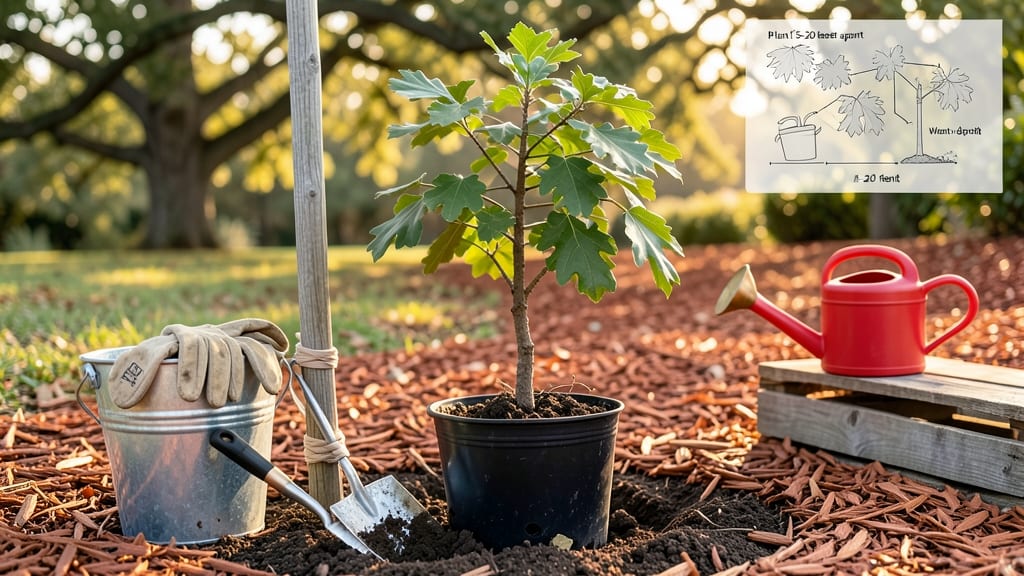
The best time to plant a tree in Texas is during late fall (November) or early spring (February–March), when temperatures are mild and rainfall supports root growth. Avoid summer heat or winter freezes for optimal survival rates, especially in zones like North Texas or the Gulf Coast.
Texas's diverse climate demands strategic timing for tree planting success. 🌳 In North Texas, where winters can dip below freezing, late fall planting lets roots establish before cold sets in, while the Gulf Coast's milder winters allow for slightly later fall planting.
Early spring gives young trees a head start before summer's brutal heat arrives, but avoid planting when temperatures frequently exceed 90°F—this stresses trees and reduces survival rates.
What sets Texas apart is its USDA Hardiness Zones 7b-9a, which influence everything from root growth to pest pressure. For instance, a live oak thrives when planted in late fall in Zone 8a but risks winter damage in Zone 7b if planted too late.
Always match your tree species to your zone's last frost date and rainfall patterns—this simple step can mean the difference between a thriving tree and one that struggles for years.
💡 In This Article
- Texas Climate Zones and Ideal Planting Windows
- Step-by-Step Tree Planting Guide for Texas Gardens
Texas climate zones and ideal planting windows
Texas spans USDA Hardiness Zones 7b through 9a, creating distinct microclimates where timing matters more than ever. In North Texas (Zones 7b-8a), winter freezes can drop to 20°F or lower, so planting in late fall (November) gives roots 6-8 weeks to establish before cold stress hits.
The Gulf Coast (Zones 8a-9a) enjoys milder winters, extending the ideal window to December, while West Texas (Zones 7b-8b) benefits from spring planting to avoid summer's 100°F+ temperatures.
The key mechanism here is root zone temperature. Roots need soil temps between 50-70°F to grow actively—below 40°F, growth halts, and above 85°F, roots can scorch.
Fall planting capitalizes on Texas's natural rainfall patterns: November typically brings 2-4 inches of rain statewide, while spring showers (March-April) provide consistent moisture. Compare this to summer, where 90% of rainfall evaporates before reaching roots due to intense heat.
Species selection ties directly to zone-specific timing. For example, a live oak in Houston (Zone 8b) thrives when planted in November, but the same tree in Amarillo (Zone 7b) needs February planting to avoid winter dieback.
Drought-tolerant species like Texas redbud or mountain cedar handle West Texas's erratic rains better than moisture-loving southern magnolias, which struggle in Zone 8a+ without consistent water.
What most gardeners overlook is the 30-day rule: Trees planted within 30 days of ideal timing (fall or spring) show 30-40% higher survival rates than those planted outside this window.
This window accounts for Texas's unpredictable weather—like the 2011 drought, where poorly timed spring plantings saw 60% mortality in Central Texas due to water restrictions.
To pinpoint your zone, use the USDA Plant Hardiness Zone Map—simply enter your ZIP code to see exact boundaries. For precision, check local extension office reports (like Texas A&M AgriLife) for last frost dates and historical rainfall trends.
For instance, San Antonio's Zone 8b has a last frost date of February 15, while El Paso's Zone 7b waits until March 10.
Pro tip: In Zone 9a (South Texas), you can plant year-round, but avoid June-August due to humidity spikes that promote fungal diseases. The best 2-month window here is September-October, when temps hover around 75-85°F—perfect for root growth without summer stress.