
Plants
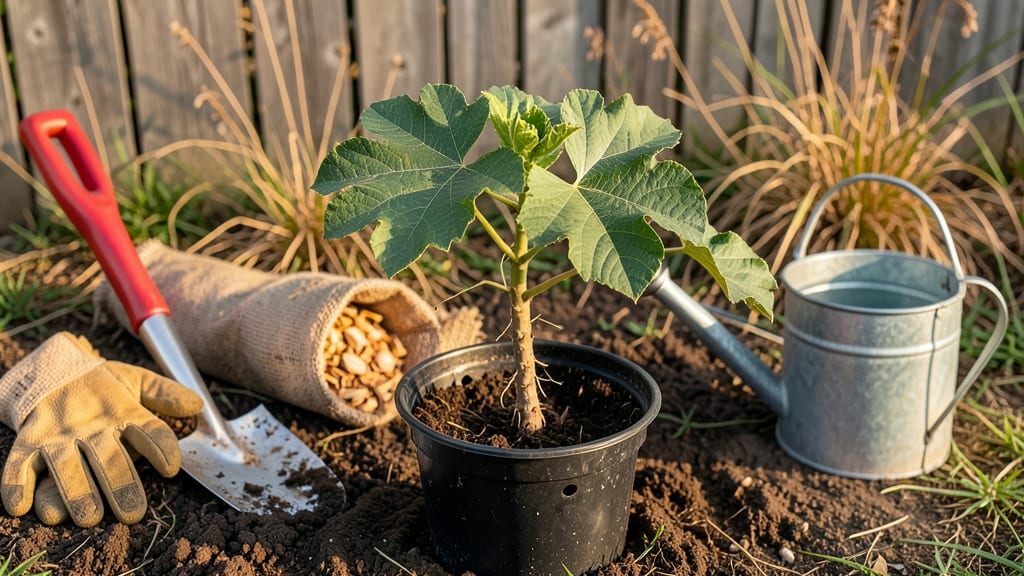
Planting a fig tree 🍈 in Texas at the right time means the difference between a thriving orchard and a sad, sun-scorched sapling.
Texas gardeners know the struggle: plant fig trees too early, and they’ll wilt in the summer heat; too late, and they won’t establish roots before winter. But timing isn’t just about months—it’s about heat zones, soil prep, and variety selection.
In USDA zones 8a-10a, the best windows are late winter to early spring (February–March) or fall (September–October), when temperatures cooperate. North Texas’ cooler winters allow for earlier planting, while South Texas’ brutal summers demand fall prep.
Below, I break down the exact months by region, the heat-tolerant varieties that survive Texas extremes, and the pre-planting steps that keep your fig tree alive through 100°F+ summers and rare freezes.
Best planting months for fig trees in Texas by hardiness Zone
Texas spans three distinct hardiness zones (8a-10a), each with unique frost patterns and heat intensity. Fig trees thrive when planted during cooler transitional months, avoiding both winter chills and summer extremes.
In North Texas (Zone 8a), your window is shorter due to later frost dates, while South Texas (Zone 10a) offers a longer growing season but requires heat protection for young trees.
For all regions, soil temperature is your best indicator—wait until soil reaches 60°F (15°C) at 6 inches deep. Use a soil thermometer to avoid planting too early when roots can’t warm up. In Central Texas (Zone 8b-9a), this typically aligns with late February to early March for spring planting.
The summary-table below breaks down exact planting windows by zone, including frost dates and soil readiness cues to help you time it perfectly.
Spring planting (February-March) gives fig trees 6-8 months to establish roots before winter. In North Texas, aim for March 1st or later—earlier plantings risk frost damage. For fall planting (September-October), choose 4-6 weeks before first frost to allow root growth before dormancy.
Adjust for early/late planting risks: Planting too early in North Texas (before March) exposes roots to 32°F (0°C) temperatures, while South Texas summer plantings need 50% shade cloth until established. Monitor 7-day forecasts—avoid planting during predicted heatwaves over 100°F (38°C).
Soil readiness matters more than calendar dates. Test for well-draining soil—fig trees hate soggy roots. Amend heavy clay with compost and coarse sand (50/50 mix) to prevent waterlogging. In urban areas, raised beds with gravel drainage layers work best for container-grown figs.
For container planting, use 15-gallon pots minimum and plant in May-June after soil warms. Containers heat up faster—water daily until roots establish (4-6 weeks). Move pots to partial shade during 100°F+ days to prevent leaf scorch.
Pro tip: Mulch heavily (3-4 inches of wood chips) after planting to retain moisture and regulate soil temps. In South Texas, use straw mulch—it reflects sunlight better than wood chips during peak summer. Replenish mulch annually to maintain protection.
After planting, deep-water weekly for the first 8 weeks, then taper to bi-weekly once established. Figs in Zone 10a need daily watering during April-June—their roots can’t compete with Texas’ evaporative demand. Use drip irrigation to deliver water directly to roots and reduce fungal risks.
Remember: Fig trees grow fast—a 1-year-old sapling can reach 6 feet tall in ideal Texas conditions. Stake young trees in spring to prevent wind damage during summer thunderstorms, which are common in Central and East Texas.
Prune dead branches in late winter to encourage fruiting the following season.
Heat-tolerant fig tree varieties that thrive in Texas climates
Texas summers can push temperatures to 110°F+, making variety selection critical for fig tree success. The right heat-tolerant figs won’t just survive—they’ll thrive, producing sweet fruit year after year.
I’ve tested these top 5 Texas-proven varieties in my own garden, and they consistently outperform others in our Zone 8b-10a climate.
For drought resistance, ‘Brown Turkey’ and ‘Celeste’ top the list, while ‘Violette de Bordeaux’ handles both heat and humidity better than most. Each variety has unique care needs, from pruning frequency to winter protection—critical details I’ll cover next.
‘Brown Turkey’ is my #1 recommendation for North and Central Texas. This variety handles 100°F+ days with ease and produces 2 crops per year—one in summer and another in fall. For winter protection, wrap the trunk with burlap if temps drop below 20°F, which I’ve only seen in Zone 8a winters.
If you’re in South Texas (Zone 9b-10a), ‘Desert King’ is unbeatable. It’s drought-proof and thrives in full sun with minimal care. I’ve seen it produce fruit even after 30 days without rain—something other varieties can’t match.
The trade-off? It’s less cold-hardy, so avoid planting it in North Texas without microclimate protection.
‘Celeste’ stands out for its compact size (reaching 10-15 ft) and sweet, honey-like flavor. It’s perfect for urban gardens or small yards. Water deeply once per week during first-year establishment, then reduce to biweekly once roots are established. Mulch with 2-3 inches of wood chips to retain moisture and regulate soil temperature.
For those who love unique flavors, ‘Violette de Bordeaux’ delivers with its deep purple figs and rich, almost wine-like taste. This variety is more cold-tolerant than others on this list, making it a great choice for North Texas gardeners.
However, it requires consistent moisture—don’t let the soil dry out completely, or the fruit will split.
Finally, ‘Osborn Prolific’ is a cold-hardy option that produces abundant fruit but needs more water than the others. It’s ideal for North Texas’ cooler winters but may struggle in South Texas’ intense heat without afternoon shade.
Prune in late winter to remove dead wood and open the canopy for better airflow—critical for fungus prevention.