
Plants
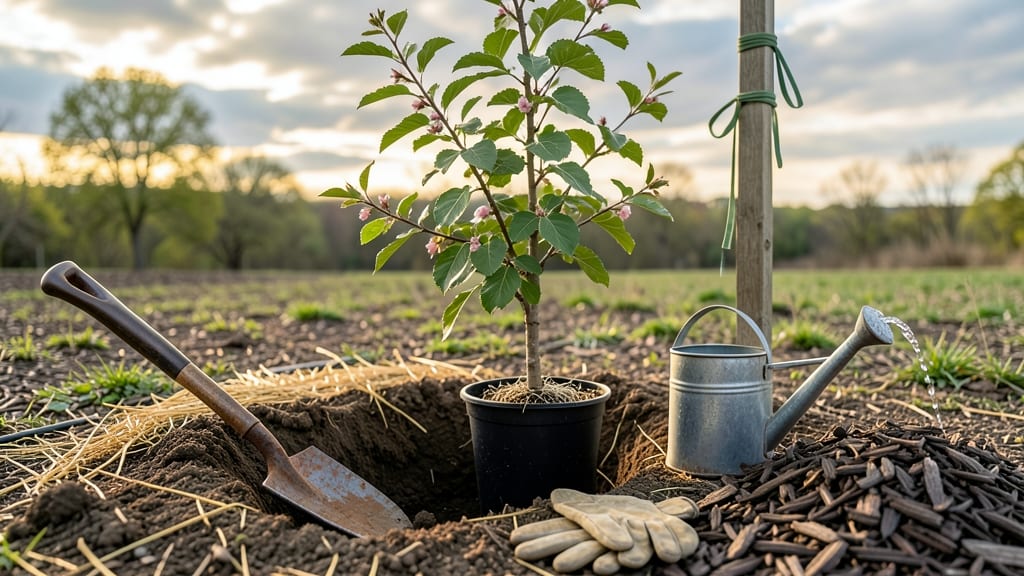
Planting a tree in the ground during the right window is the key to strong roots and decades of growth—late winter to early spring or fall, 4-6 weeks before frost, is your best bet in most climates.
Picture this: You dig a hole, place your new tree, and water it in—only to watch it struggle through a scorching summer or freeze before it can take hold.
The timing of when you plant a tree can make or break its survival, and getting it wrong means years of frustration.
In USDA Zone 6a, like much of the Midwest, your planting window is narrow but critical. Early spring, after the last frost (around mid-April for many areas), gives roots time to establish before summer heat sets in.
Fall planting, a few weeks before the first frost, is another smart move—just avoid it if the ground is too hard or cold.
Below, I’ll break down the exact months for your zone, how to prep your tree for planting, and the common mistakes that can kill even the hardiest saplings. Skip the guesswork—follow these steps, and your tree will thank you for years to come.
Best months to plant trees by USDA climate zone
Timing your tree planting is one of the most critical decisions for long-term success. Planting at the wrong time—like during extreme heat or deep frost—can shock roots and reduce survival rates by up to 40%.
The best planting windows align with your USDA climate zone, soil temperatures, and whether your tree is deciduous, evergreen, or tropical. For example, Zone 5-6 gardeners should aim for late April to early June, while Zone 9-10 can plant year-round with careful watering.
Most trees establish roots best when soil temperatures hover between 40°F and 70°F. This range allows roots to grow without stress from freezing or scorching. In colder zones, fall planting (4-6 weeks before frost) gives roots time to settle before winter dormancy.
Meanwhile, warm climates benefit from spring or late fall planting to avoid summer drought stress. Understanding your zone’s frost dates is key—planting too early risks frost damage, while waiting too long limits root establishment before hot weather arrives.
Here’s a quick breakdown of ideal planting windows by USDA zone and tree type:
| USDA Zone | Best Planting Window | Avoid Planting | Key Considerations |
|---|---|---|---|
| Zones 3-4 (Cold Climates) | Late April to early June (spring) or September to October (fall) | Winter (Dec-Feb) or summer heatwaves | Soil must thaw; mulch heavily to protect roots from winter freeze-thaw cycles. |
| Zones 5-6 (Temperate) | March to May (spring) or October to November (fall) | July-August (drought risk) or January (frost) | Wait until last frost date for spring; plant 6 weeks before first frost in fall. |
| Zones 7-8 (Mild Winters) | February to April (spring) or September to November (fall) | June-July (extreme heat) or December (light frosts) | Evergreens need consistent moisture; deciduous trees can handle slight drought. |
| Zones 9-10 (Warm Climates) | November to February (avoid summer) | May-September (intense heat/drought) | Tropical trees need shade cloth if planting in summer; water daily for first 2 weeks. |
| Zone 11 (Tropical) | Year-round (with daily watering) | None (but avoid hurricane season) | Use well-draining soil and mulch to retain moisture. |
For deciduous trees like oaks or maples, fall planting is ideal because roots grow slowly in cool weather, reducing transplant shock. Evergreens, however, should be planted in early spring to avoid winter desiccation. Tropical trees thrive when planted in late winter or early spring, aligning with natural rainfall patterns.
Always check your local frost dates—planting too early in cold zones can expose roots to freezing temperatures.
Seasonal risks vary by zone. In Zones 3-4, late spring frosts can damage new growth, while Zones 9-10 face summer drought and heat stress. To mitigate risks, test soil moisture before planting and use mulch to regulate temperature.
For example, a 3-inch layer of mulch can reduce soil temperature fluctuations by 10°F, protecting roots during extreme weather.
Bare-root trees should be planted in dormant season (late fall or early spring), while container-grown trees offer more flexibility but need consistent moisture. If you’re in a transitional zone (e.g., Zone 7b), err on the side of earlier planting—roots establish faster in cooler soil.
Pro tip: Soak the root ball before planting to reduce transplant shock, especially in hot or windy conditions.
Don’t overlook microclimates—your yard might have a warmer south-facing slope or a cooler north side. Adjust planting times accordingly. For instance, a slope warms up faster in spring, allowing earlier planting.
Similarly, urban areas can be 5-10°F warmer than rural zones, extending the planting window. Use a soil thermometer to confirm temperatures before planting.
If you miss the ideal window, container planting can buy you time. Keep the tree in a 5-gallon pot until conditions improve, watering deeply every 3-4 days.
For example, a Japanese maple in Zone 6 can wait until late May if potted, but bare-root oaks must go in by early April. Always prioritize root health over convenience—healthy roots mean a tree that thrives for decades.
Finally, research your specific tree species. Some, like <
How to prepare your tree for planting success
Before you dig that hole, preparing your tree for planting is just as critical as choosing the right species. A well-prepared tree adapts faster, establishes stronger roots, and resists diseases. Start by inspecting the root system—look for circular roots or root-bound signs, which can strangle growth if not addressed.
Gently loosen any tangled roots with your fingers or a pruning knife to encourage outward spread.
Next, test your soil conditions—most trees thrive in well-draining soil with a pH between 6.0 and 7.5. Use a simple soil test kit or send a sample to your local extension office.
If your soil is too clay-heavy, amend it with compost or sand to improve aeration. For acidic soils, add lime; for alkaline soils, use sulfur or peat moss.
Choosing the right location is non-negotiable. Avoid spots with overhead power lines, sidewalks, or large structures where roots can cause damage. Measure the tree’s mature height and spread—plant it at least 15–20 feet away from buildings and 10 feet from property lines.
Sunlight needs vary: deciduous trees like oaks need full sun, while evergreens such as pines tolerate partial shade.
🌳 Key Takeaway: When to Plant a Tree in the Ground
Late winter to early spring (after last frost) or fall (4–6 weeks before first frost).
Summer heat (stresses roots) and winter frost (delays growth).
Fall planting gives roots time to establish before dormancy; spring planting aligns with active growth.
Seasonal timing matters just as much as location. For spring planting, aim to plant 2–4 weeks before the last frost date in your zone. This gives roots time to establish before summer heat sets in.
If planting in fall, do it 4–6 weeks before the first frost—this allows roots to grow but avoids winter stress. Evergreens, like arborvitae, should be planted in early fall to reduce transplant shock.
Once you’ve prepped the tree and site, prune damaged roots and trim any broken branches to reduce stress. Soak the root ball in water for 1–2 hours before planting to hydrate the roots. If your tree is bare-root, soak it overnight.
When digging the hole, make it twice as wide as the root ball but no deeper—this encourages outward root growth. Loosen the sides of the hole to help roots penetrate the native soil.
After planting, water deeply to eliminate air pockets and settle the soil. Apply 2–3 inches of mulch around the base (but not touching the trunk) to retain moisture and regulate soil temperature. Water weekly for the first month, then taper off as the tree establishes.
Monitor for pests or wilting—these are early signs of stress. With these steps, your tree will have the best start possible, setting the stage for decades of growth and beauty.