
Plants
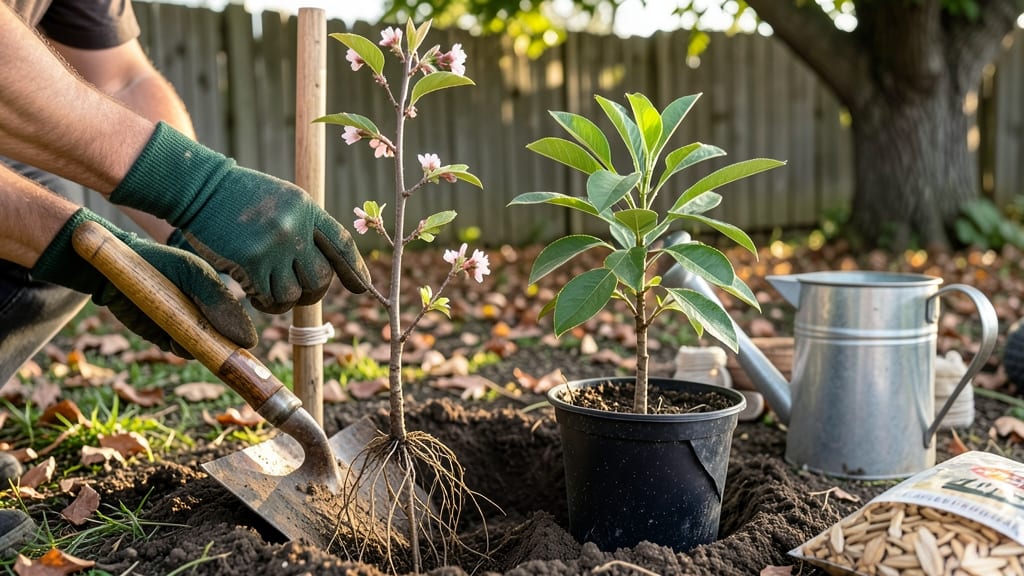
Planting a peach tree in Texas at the right time means the difference between a thriving 🍑 orchard and a struggling sapling—so timing is everything.
If you’ve ever watched your peach tree wilt under the Texas sun or fail to fruit because you planted too late, you know how critical the window is. Unlike cooler climates, Texas demands a precise schedule to avoid heat stress and ensure strong root growth before summer arrives.
For most of Texas—especially zones 8a-10a—the best months to plant are late winter to early spring, typically February through March. This timing lets your tree establish roots before the brutal heat of May and June, when even mature trees struggle.
Below, I’ll break down the exact planting window for your zone, soil prep tips to beat Texas heat, and the top 3 varieties that thrive in our climate—so you can finally grow peaches that taste as good as they look.
Best months to plant peach trees in Texas by hardiness zone
Texas gardeners know that timing is everything when planting peach trees. Unlike northern climates, Texas' extreme heat and variable frost dates demand a precise planting window. Planting too early risks frost damage, while planting too late exposes young roots to summer's brutal heat.
The key is to establish strong roots during the tree's dormant period when soil temperatures are ideal for root growth but before the heat stress of summer arrives.
Your hardiness zone determines the exact planting window. Texas spans zones 7A through 10A, each with unique microclimates. In cooler zones like 7A/7B, you can plant as early as late November, while in the sweltering 10A zone of South Texas, you must plant by early September.
The goal is always the same: give your peach tree time to establish roots before the summer heat arrives.
| Texas Hardiness Zone | Recommended Planting Window | Key Considerations | Soil Temperature Target (°F) | Post-Planting Care |
|---|---|---|---|---|
| 7A/7B (Hill Country, North Texas) | Late November to early February | Plant while dormant; avoid late winter heat spikes. Use mulch for insulation. | 45-55 | Water deeply 2x/week until roots establish (4-6 weeks). Prune in late winter. |
| 8A/8B (Central Texas, Austin, San Antonio) | Mid-October to early December | Avoid planting after December to prevent early budding. Use windbreaks if exposed. | 50-60 | Apply 2-3 inches of organic mulch; fertilize in early spring. |
| 9A/9B (East Texas, Dallas-Fort Worth) | September to mid-October | Critical to plant before soil warms past 60°F. Choose cold-hardy varieties like 'Elberta'. | 55-65 | Drip irrigation recommended; monitor for fungal risks in humid months. |
| 10A (South Texas, Rio Grande Valley) | August to early September | Must plant before monsoon season. Use shade cloth temporarily for young trees. | 60-70 | Frequent shallow watering (3x/week); avoid heavy mulch to prevent rot. |
• Avoid planting in summer—Texas heat causes transplant shock and poor root growth.
• Bare-root trees can be planted up to 2 weeks earlier than container-grown.
• Last frost dates (check Texas A&M AgriLife) guide dormancy timing.
For Zone 7A/7B gardeners in North Texas, the window is narrow but critical. Planting between late November and early February gives your tree time to establish roots before the heat stress of March and April.
This is especially important if you're planting in areas prone to late spring frosts. Use organic mulch like straw or wood chips to insulate roots and retain moisture during Texas' unpredictable weather swings.
In Zones 8A/8B, which includes major cities like Austin and San Antonio, the ideal window shifts to mid-October through early December. This timing avoids the early budding that can occur if planted too late, which weakens the tree before it's established.
If your property is exposed to wind stress, consider installing temporary windbreaks to protect young saplings during winter storms.
Gardeners in Zones 9A/9B, covering East Texas and the Dallas-Fort Worth metroplex, have a slightly longer window from September to mid-October. The critical factor here is soil temperature—planting when soil is between 55-65°F gives roots the best chance to establish before the heat arrives.
Varieties like 'Elberta' are excellent choices for this zone as they handle the transition from cool winters to hot summers better than many other varieties.
For those in Zone 10A, including the Rio Grande Valley, the window is the shortest but most critical. Planting must occur between August and early September to avoid the monsoon rains and extreme heat that follow.
Young trees in this zone benefit from temporary shade cloth to protect them from the intense summer sun. Frequent, shallow watering is essential to prevent root rot in the humid conditions.
Regardless of your zone, always check the soil temperature before planting. Use a soil thermometer to ensure it's within the target range for your zone. This simple step can make the difference between a struggling sapling and a thriving peach tree. Remember, the goal is to give
How to prepare your Texas soil for peach tree success
Texas soil can be both a blessing and a challenge for peach trees. The state’s mix of clay-heavy soils in Central Texas and sandy loams in the Gulf Coast requires careful preparation to ensure your tree thrives.
Without proper soil prep, even the hardiest peach varieties struggle with poor drainage, nutrient deficiencies, or root rot. The key is creating a balance—loose enough for roots to spread but rich enough to support fruit production.
Start by testing your soil’s pH and texture. Most Texas soils lean alkaline, which can lock out essential nutrients like iron and zinc. Peach trees prefer a slightly acidic environment (6.0–6.5 pH).
If your soil tests higher, amendments like sulfur or peat moss can help adjust it gradually. For clay soils, breaking up compaction is critical—roots need room to grow downward, not suffocate in dense earth.
🌱 DO: Best Soil Prep Practices
Improves drainage (critical in clay-heavy zones like 8B/9A) and root penetration.
Peaches thrive in slightly acidic soil; test with a soil kit or lab. Amend with sulfur or lime as needed.
Boosts organic matter (Texas soils often lack this). Mix 3–4 inches into topsoil.
Prevents waterlogging in low-lying areas (common in Gulf Coast zones).
⚠️ Avoid These Mistakes
pH imbalances lead to nutrient deficiencies (e.g., zinc or iron chlorosis).
Can burn roots and attract pests. Always compost for 6+ months first.
Roots suffocate; tree struggles to establish. Gypsum can help, but organic matter is key.
North-facing slopes stay cooler longer; south-facing areas dry out faster.
If your soil is alkaline (common in West Texas), blend in peat moss or pine bark fines to lower pH gradually.
For drainage issues, consider amending with coarse sand or perlite if your soil is too dense. In areas prone to flooding, like parts of East Texas, install a drainage trench around the planting hole to redirect excess water.
If your yard has sandy soil, mix in compost or coconut coir to retain moisture without compacting.
Once your soil is prepped, plant your peach tree in a hole that’s twice as wide as the root ball but no deeper. Backfill with a mix of native soil and compost to encourage root spread.
Water deeply to settle the soil and remove air pockets. A 3-inch layer of mulch (straw or wood chips) around the base will help retain moisture and regulate soil temperature.
After planting, monitor your tree’s progress closely. Yellowing leaves may signal pH issues, while wilting despite watering could mean drainage problems. Adjust care as needed—Texas peach trees reward patience with juicy fruit and lush growth when given the right foundation. 🌱