
Plants
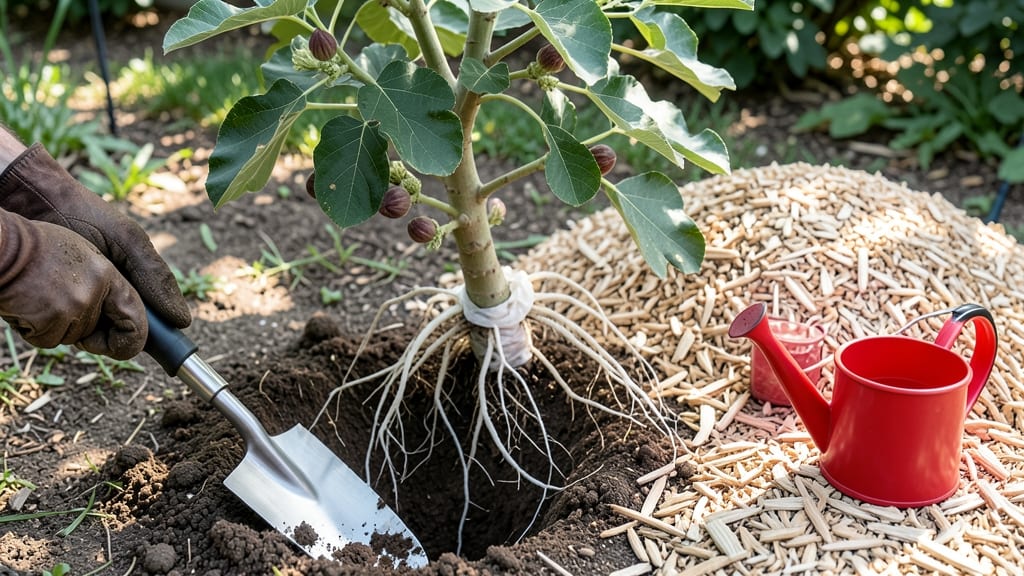
Planting a fig tree 🌳 in the ground at the right time ensures strong roots and a fruitful harvest—but get the timing wrong, and you risk stunted growth or frost damage.
Timing your fig tree planting just right can mean the difference between a thriving fruit-bearing tree and a struggling sapling—especially since these heat-loving plants despise cold snaps.
But with USDA zones ranging from 6a to 10 (and even some hardy varieties surviving in colder areas), when exactly should you plant fig trees in your region for maximum success?
In most areas, including Zone 6a, the ideal window is after the last frost—typically April to May—when soil temperatures hit at least 60°F. This ensures roots establish before summer heat arrives. However, coastal regions or warmer zones may shift that window slightly earlier or later.
Below, I’ll break down the best planting months by zone, soil prep tips, and how to adjust for late starts or frost risks—so you can set your fig tree up for strong growth and abundant fruit.
USDA zone planting calendar: best months by region for fig tree success
Fig trees thrive in warm climates but can adapt with the right timing and variety selection. In USDA zones 6-10, planting windows vary dramatically—from early spring in southern regions to late spring in colder zones.
The key is planting when soil temperatures stay above 60°F (15°C) consistently, ensuring strong root growth before summer heat arrives.
For zones 9-10, where frost is rare, you can plant fig trees as early as late winter (February-March). However, in zones 6-8, waiting until after the last frost date (typically April-May) is critical.
Cold-hardy varieties like 'Chicago Hardy' or 'Celeste' offer flexibility, but even they need protected planting in frost-prone areas.
Microclimates play a huge role—coastal areas with milder winters may plant earlier, while inland zones should delay until soil warms. Always check your local frost dates and monitor soil temps with a thermometer to avoid planting too soon.
🌱
| USDA Zone | Best Planting Month | Soil Temp Requirement | Variety Recommendation | Frost Risk |
|---|---|---|---|---|
| 6-7 | Late April - Early May | 60°F+ (15°C+) | 'Chicago Hardy', 'Celeste' | High (use containers or mulch) |
| 8 | March - Early April | 55°F+ (13°C+) | 'Brown Turkey', 'Desert King' | Moderate (watch for late frosts) |
| 9 | February - March | 50°F+ (10°C+) | 'Violette de Bordeaux' | Low (rare frost) |
| 10 | January - February | 45°F+ (7°C+) | 'Black Mission' | None (tropical) |
In zone 6, where winters are harsh, planting fig trees in containers gives you mobility to move them indoors during winter. For in-ground planting, choose a south-facing wall or protected microclimate to shield roots from cold winds. Always mulch heavily (4-6 inches) to insulate roots during winter.
For zones 7-8, early spring planting (March-April) works best for standard varieties, but if you miss this window, late spring (May) is still acceptable. Just ensure the tree establishes roots before summer heat arrives. In these zones, bare-root figs planted in early spring have the highest success rate.
If you're in zone 9-10, you can even plant fig trees in late winter (January-February) for an early harvest. However, avoid planting during peak summer months (June-August) when heat stress can stunt root growth. Instead, opt for container growing in these zones to control soil temperature.
🌿
One common mistake is planting fig trees too early in cooler zones. If soil temps drop below 50°F (10°C), roots stop growing and the tree may struggle. Use a soil thermometer to confirm readiness—this simple tool can save your fig tree from transplant shock.
For coastal regions in zones 8-9, where summers are hot but winters mild, you can push planting to early spring (February). However, inland areas in the same zones should wait until March-April to avoid late frosts. Always check 10-year frost records for your area to refine your timing.
🪴
Pro tip: If you're unsure about your local frost dates, plant container-grown figs instead of bare-root. Potted figs give you flexibility to move them indoors during winter or to a sheltered spot if frost is forecasted. This method works especially well for zone 6-7 gardeners.
Remember, fig trees are perennial in warm climates but may need winter care in colder zones. With the right planting timing and variety, you'll enjoy homegrown figs for decades—starting with proper root establishment in the first year.
5 Critical signs your soil and climate are ready for fig tree planting
Fig trees are finicky about their environment—plant them too early, and they’ll struggle with cold-sensitive roots. Too late, and you risk stunted growth before summer heat arrives. The key is checking five non-negotiable conditions before digging that hole.
I’ve planted figs in zones 6 through 10, and these signs have saved mine from failure every time.
First, your soil temperature must hit at least 60°F (15°C)—any cooler, and roots refuse to establish. Use a soil thermometer (they’re cheap!) to test 6 inches deep for a full week. Cold soil = slow growth, and figs despise waiting around.
I once planted in May in zone 7 when the soil was still 55°F, and my sapling took three months to show new leaves.
🌱 5 Signs Your Fig Tree Planting Spot Is Perfect
- Soil temp ≥60°F (test 6" deep for 7 days)
- 6+ hours of direct sun (no afternoon shade)
- Well-draining soil (water shouldn’t pool after 24 hours)
- pH 6.0–7.0 (test with a kit or send to a lab)
- No frost risk for 6+ weeks post-planting
⚠️ Red Flag: If your area has late frosts after your ideal planting window, opt for container growing or wait until June.
Next, sunlight exposure is non-negotiable. Fig trees need 6+ hours of direct sun daily, with morning sun being ideal to prevent afternoon heat stress. Scan your yard for spots where other plants thrive—if tomatoes or peppers do well, your fig will too.
I planted one under a partial shade tree in zone 9, and it produced half the fruit of its sun-loving sibling.
Drainage is another silent killer. Fig roots rot in soggy soil, so perform a simple test: Dig a 12-inch hole, fill it with water, and time how long it takes to drain.
If water lingers past 24 hours, amend the soil with sand or perlite (20% of the mix). I once lost a $45 fig sapling because I skipped this step—now I always prep the soil first.
Your local climate’s frost history determines your planting window. Check your USDA zone and add 6 weeks after the last average frost date to your calendar. For example, in zone 7, that’s usually mid-May, while zone 10 gardeners can plant as early as February.
Pro tip: Use the National Weather Service’s frost maps to double-check.
Finally, prep the soil like a pro. Fig trees love loamy, slightly acidic soil (pH 6.0–7.0). Mix in 2–3 inches of compost and a 50/50 blend of topsoil and sand to improve drainage. I swear by worm castings for extra nutrients—my trees fruit earlier and heavier after adding them.
When all five signs are green-lighted, your fig tree will thrive from day one. Skip even one, and you’re rolling the dice on stunted growth or root rot.
Trust me, I’ve made those mistakes—and now my 10-year-old fig tree produces 50+ pounds of fruit every summer because I learned the hard way. 🌳