
Pruning
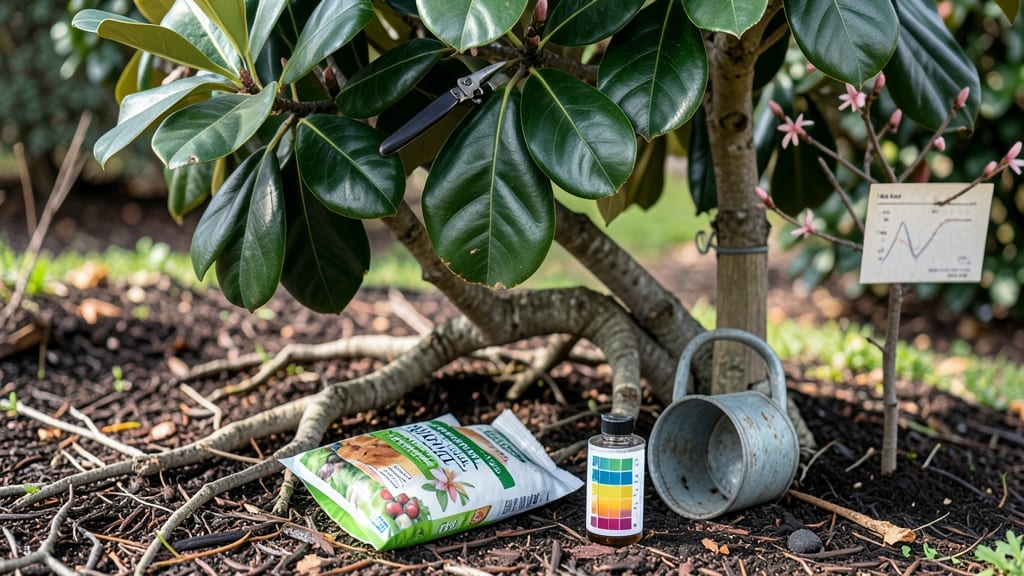
Why doesn’t my magnolia tree flower? The frustration of waiting year after year for those iconic blooms is real—but the good news is most issues have simple fixes. 🌸 I’ve spent years troubleshooting why these stunning trees sometimes skip flowering, whether it’s age, light, or even last winter’s chill hours.
Magnolias need 600-900 chill hours (below 45°F) to trigger buds, but even if your tree gets enough cold, poor soil, overpruning, or pests can steal its energy.
The reason for the delay could be hidden in your care routine—root rot, nutrient deficiencies, or even the wrong pruning timing might be holding it back.
You’ll learn how to check for these common problems, when (and when not) to prune, and which magnolia species bloom reliably in your zone. With the right adjustments, your tree can burst into spectacular spring color in just one season.
Even if your magnolia is young, understanding its needs now means future blooms won’t be a mystery. Let’s get your tree on track to its flowering prime.
Hidden Reasons Your Magnolia Skips Blooms
Magnolia trees are famous for their stunning, fragrant flowers—but when they refuse to bloom, it’s often due to factors you might not suspect at first glance. Let’s break down the real culprits behind your magnolia’s silent season, backed by science and actionable insights.
Magnolias are slow growers, and young trees (under 3–5 years old) often prioritize root and branch development over flowering. This isn’t laziness—it’s survival strategy. Their energy goes into establishing a strong structural framework before devoting resources to reproductive growth.
Why it happens:
- Hormonal priority: Auxin, a plant growth hormone, suppresses flowering in immature trees to ensure robust vegetative growth.
- Root-to-shoot ratio: A healthy magnolia needs a 1:1 or 2:1 root-to-shoot ratio before flowering. If roots are underdeveloped, blooms won’t appear.
What to do:
- Test soil depth: Dig a spade-width deep around the base. If roots are shallow or sparse, amend the soil with compost or organic matter to encourage deeper growth.
- Avoid heavy pruning: Pruning young trees can stress them further, delaying flowering. Stick to removing only dead or crossing branches.
Most magnolias (especially Southern magnolias, Magnolia grandiflora) require 200–600 hours of temperatures between 32–45°F (0–7°C) during winter dormancy to set flower buds for the next season. Without enough cold, they skip flowering entirely.
Why it happens:
- Bud formation timing: Flower buds form late summer to early fall in response to shortening daylight and cooling temps. If winters are too mild (e.g., in warm climates like Florida or California), buds may not develop.
- Heat waves in winter: Even brief warm spells (above 50°F/10°C) can trick the tree into breaking dormancy prematurely, causing buds to abort.
What to do:
- Mimic winter chilling: In warm climates, cover the tree with frost cloth during winter to extend cold exposure. Some growers use artificial chilling (like refrigeration) for potted magnolias.
- Choose cold-hardy varieties: If you live in a mild zone, opt for ‘Little Gem’ or ‘Bracken’s Brown Beauty’—they tolerate fewer chilling hours than others.
Magnolias thrive in partial shade (morning sun, afternoon shade), but too much shade or poor light conditions stunt flower production. Without sufficient sunlight, the tree lacks the energy to form buds.
Why it happens:
- Photosynthesis limits: Shade reduces chlorophyll production, limiting the tree’s ability to store carbohydrates (like starch) in roots—critical for flower development.
- Competing foliage: Nearby trees, structures, or even dense shrubs can block 50%+ of sunlight, leaving your magnolia energy-deprived.
What to do:
- Assess sunlight: Use a light meter or app to check if your tree gets at least 4–6 hours of direct sun daily. If not, thin surrounding plants or prune overhanging branches.
- Prune strategically: Remove low-hanging branches from nearby trees to improve light penetration. Avoid heavy pruning in late summer—this can reduce next year’s bloom potential.
Magnolias are drought-tolerant once established, but watering extremes—either soggy soil or dry spells—disrupt flowering. Both conditions interfere with the tree’s ability to store nutrients for buds.
Why it happens:
- Overwatering: Saturated soil starves roots of oxygen, leading to root rot and poor nutrient uptake. Weak roots can’t support flower production.
- Underwatering: Drought stress forces the tree to conserve water, diverting energy away from bud formation. Even one hot, dry summer can delay blooms for a year.
What to do:
- Check soil moisture: Stick your finger 3–4 inches deep into the soil. If it’s dry, water deeply (1–2 inches per week). If it’s muddy, improve drainage with sand or gravel.
- Mulch properly: Apply 2–3 inches of organic mulch (wood chips, pine straw) around the base (but keep it 6 inches away from the trunk) to retain moisture and regulate soil temp.
Unseen invaders like scale insects, spider mites, or fungal diseases (e.g., anthracnose, powdery mildew) drain your magnolia’s energy, leaving it too weak to flower.
Why it happens:
- Sap-sucking pests: Insects like magnolia scale or aphids extract nutrients, causing leaf drop and stunted growth. A stressed tree prioritizes survival over flowers.
- Fungal infections: Diseases like anthracnose cause leaf spots and defoliation, reducing the tree’s ability to photosynthesize and store energy.
What to do:
- Inspect leaves and bark: Look for sticky residue (honeydew), webs, or discolored spots. Treat early with neem oil (for pests) or copper fungicide (for diseases).
- Encourage beneficial insects: Ladybugs and lacewings naturally control pests. Plant marigolds or dill nearby to attract them.
Magnolias set flower buds on old wood (last year’s growth), so pruning at the wrong time or too aggressively can remove potential blooms before they form.
Why it happens:
- Late-summer/early-fall pruning: Buds form August–October. Pruning during this window removes next year’s flowers.
- Over-pruning: Removing more than 20% of the canopy stresses the tree, diverting energy away from reproduction.
What to do:
- Prune in late winter/early spring (February–March): This is the safest time to shape the tree without harming buds.
- Avoid topping: Never cut back to a stub—this encourages weak, non-flowering growth. Instead, prune to maintain an open center.
Rapid climate changes—like unpredictable freeze-thaw cycles or early springs—can confuse magnolias’ internal clocks, causing them to bloom at the wrong time (or not at all).
Why it happens:
- False springs: Warm winters followed by a late frost trick the tree into blooming early, then damages buds with freezing temps.
- Heatwaves in bud season: Temperatures above 85°F (29°C) during June–July can sterilize pollen, preventing successful pollination.
What to do:
- Protect early blooms: Cover the tree with frost cloth if a late frost is forecasted.
- Monitor pollen viability: If your area has consistent high temps during bloom season, hand-pollinate flowers with a soft brush to ensure fertilization.
Magnolias need balanced nutrients—especially phosphorus (P) and potassium (K)—to produce flowers. A deficiency in these (or an imbalance) can halt bloom development.
Why it happens:
- Low phosphorus: Critical for energy transfer and root growth. Without it, buds fail to initiate.
- High nitrogen (N): Too much N promotes leafy growth at the expense of flowers (think of it as the tree “bulking up” instead of reproducing).
What to do:
- Test your soil: Use a home soil test kit or send a sample to a lab. Aim for a balanced fertilizer (e.g., 10-10-10 or 5-10-10) in early spring.
- Avoid synthetic fertilizers: They can burn roots. Instead, use slow-release organic options like fish emulsion or bone meal.
💡 Pro Tip: Keep a bloom journal! Track your magnolia’s
Revive Your Magnolia’s Blooms
If your magnolia tree is struggling to flower, don’t panic—most issues have simple fixes! Below, we’ve mapped out practical solutions based on the most common causes, along with prevention tips to keep your tree thriving. Let’s get those buds blooming again!
Young magnolia trees (especially those under 5 years old) may not have the energy to produce flowers yet. Patience is key!
How to Help:
- 📅 Wait It Out: Most magnolias take 3–7 years to mature enough for flowering.
Focus on nurturing strong growth in the meantime. - 🌿 Provide Optimal Care: Ensure your tree gets: - ✅ Full sun (6+ hours/day) – Partial shade can delay flowering. - 💧 Consistent moisture – Keep soil evenly damp (not soggy) during dry spells. - 🍽️ Balanced fertilizer – Use a slow-release, acid-loving plant fertilizer (like 10-10-10) in early spring.
💡 Prevention Tip:
> "If your tree is young, resist the urge to prune heavily—this stresses the plant and diverts energy from future blooms. Light shaping in late winter is fine!"
Magnolias need a winter dormancy period (typically 300–900 chill hours below 45°F/7°C) to trigger blooming. Without enough cold, buds may fail to open.
How to Help:
- 🌡️ Monitor Chill Hours: If you live in a warm climate, your tree might not get enough cold.
Use a chill hour calculator for your region. - 🏡 Protect Young Trees: Wrap the trunk in burlap or use a tree guard to shield buds from late-winter warmth (e.g., heat from buildings or pavement). - 🌿 Choose the Right Variety: If chill hours are consistently low, opt for Southern magnolias (e.g., Magnolia grandiflora) or Saucer magnolias (Magnolia × soulangeana), which need fewer chill hours.
💡 Prevention Tip:
> "Avoid pruning in late fall—new growth won’t harden off for winter, making the tree more vulnerable to heat spikes that break dormancy too early."
Magnolias thrive in acidic, well-draining soil rich in organic matter. Compacted, alkaline, or nutrient-poor soil can stunt growth and prevent flowering.
How to Help:
- 🧪 Test Your Soil: Use a home soil test kit (or send a sample to a local extension office).
Ideal pH: 5.0–6.0. - 🍄 Amend the Soil: - For acidic soil: Mix in peat moss, pine bark fines, or sulfur. - For alkaline soil: Add elemental sulfur (follow package rates) or composted pine needles. - For poor drainage: Improve aeration with compost or sand (avoid heavy clay). - 🍽️ Feed Regularly: - Spring: Apply a slow-release acid fertilizer (like 8-3-9). - Fall: Top-dress with compost or organic mulch to replenish nutrients.
💡 Prevention Tip:
> "Mulch properly! Spread 3–4 inches of mulch (pine straw, wood chips) around the base, but keep it 6 inches away from the trunk to prevent rot."
Pruning at the wrong time (especially after buds form in late winter) removes next year’s flowers. Heavy pruning also stresses the tree.
How to Help:
- ⏰ Prune at the Right Time:
- Best time: Late winter/early spring (just before buds swell).
- Avoid: Pruning in fall or after buds appear—this cuts off potential blooms.
- 🔪 Use the Right Technique:
- Remove only dead, diseased, or crossing branches.
- Never "top" the tree—this encourages weak growth and fewer flowers.
- Thin out instead of shearing for a natural shape.
💡 Prevention Tip:
> "If your tree is overgrown, prune gradually over 2–3 years. Never remove more than 25% of the canopy in one season!"
Pests like scale insects, magnolia leaf miners, or fungal diseases (e.g., powdery mildew) can weaken your tree, reducing its energy for flowers.
How to Help:
- 🔍 Inspect Regularly: Look for:
- Sticky residue (aphids/scale).
- Chewed leaves (Japanese beetles).
- White powder (powdery mildew).
- 🛡️ Treat Early:
- Organic options: Neem oil (for pests) or baking soda spray (for mildew).
- Chemical options: Insecticidal soap or fungicides (like copper-based sprays).
- 🌿 Improve Airflow: Prune to open the canopy and reduce humidity around the tree.
💡 Prevention Tip:
> "Water at the base (not overhead) to keep foliage dry and deter fungal spores. Early morning watering is best!"
With the right care, your magnolia should reward you with stunning blooms in no time! Start with one or two fixes based on your tree’s needs, and watch it thrive. 🌸✨
Frequently asked questions
How do I know if my magnolia tree is too young to flower?
Most magnolia varieties take 3-7 years to mature enough for flowering. Check your tree’s age—if it’s under 5 years old, focus on nurturing strong root and branch growth rather than expecting blooms. Young trees prioritize structural development over reproduction.
Can I force my magnolia to bloom earlier?
No, you can’t artificially force magnolias to bloom early—they follow natural seasonal cues. However, you can protect existing buds from late frosts with frost cloth or choose varieties better suited to your climate’s chill hours. Patience is key!
What’s the best way to test if my magnolia has enough chill hours?
Use a chill hour calculator (available online) for your region, or check local climate data. Most magnolias need 300-900 hours below 45°F (7°C). If your area falls short, consider cold-hardy varieties like ‘Little Gem’ or ‘Bracken’s Brown Beauty’.
Is my magnolia tree dying if it doesn’t flower?
Not necessarily! Many healthy magnolias skip flowering in their first few years while establishing roots. However, if leaves are yellowing, wilting, or falling excessively, or if the bark shows cracks, check for pests, disease, or root issues. A non-flowering tree can still be thriving.
How do I know if my magnolia needs more sunlight?
If your tree receives less than 4-6 hours of direct sunlight daily, it may lack energy for blooms. Test sunlight exposure by placing a light meter app near the tree or observe shadows at different times. Thin nearby foliage or prune overhanging branches to improve light penetration.