
Trees
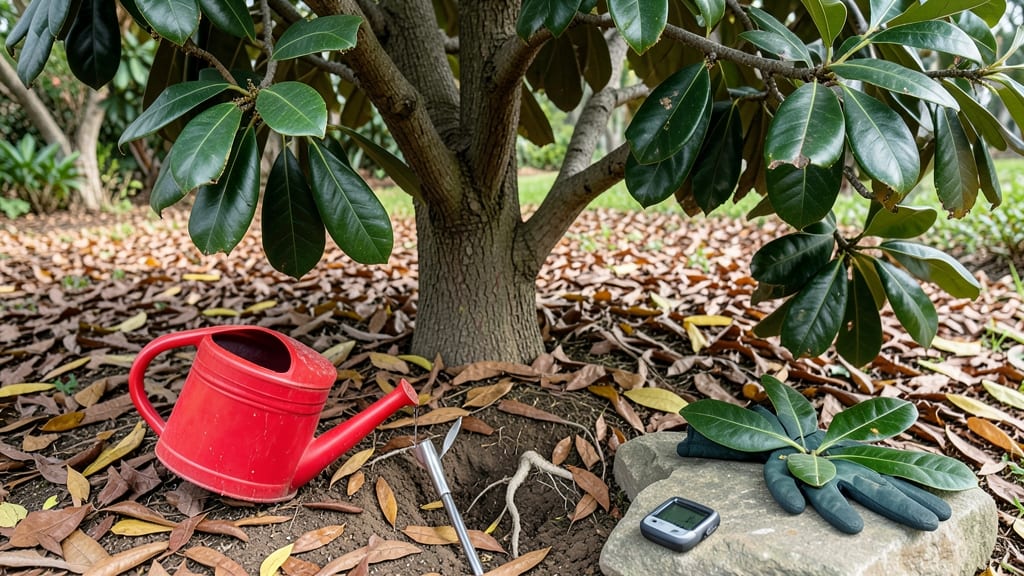
Your magnolia tree losing leaves in summer isn’t just a cosmetic problem—it’s a cry for help from its roots. 🌿 I've seen this happen when trees struggle with heat stress, compacted soil, or fungal pressure, and the good news is most cases can be turned around with targeted care.
The first step is identifying whether your tree is thirsty, suffocating, or fighting an invisible battle with disease.
Root stress often shows up as yellowing leaves, wilting branches, or sudden leaf drop—especially when temperatures climb above 90°F. My magnolias in Zone 7 nearly lost their foliage last summer until I adjusted watering to deep, infrequent soaks (think 1-2 inches per week, not daily sprinkles) and mulched heavily to keep roots cool.
The key is matching care to the tree's natural rhythms, not guessing.
What you'll achieve is a tree that holds onto its leaves through the heat and even puts on new growth by fall. The leaves will turn that signature deep green again, and you'll notice fewer browned edges or premature drop.
For severe cases, a soil test and targeted fungicide can make all the difference—though most trees respond beautifully to basic adjustments first.
This works equally well for newly planted magnolias struggling to establish or mature trees that've been neglected. The same principles apply whether your tree is in full sun or partial shade, though shade-loving varieties need even more consistent moisture. Let's get those roots breathing easy again.
Root Stress Rescue Guide
Seeing your majestic magnolia tree shed leaves mid-summer can feel like a gut punch—especially when it’s thriving one minute and struggling the next. 🌳💨 But before you panic, let’s break down the real culprits behind this summer leaf loss.
Understanding the cause is the first step to saving your tree. Below, we’ll explore the most common reasons magnolias drop leaves in summer, backed by science and actionable insights.
Magnolias are native to warm climates, but intense, prolonged heat—especially when paired with dry soil—can push them into survival mode. When roots can’t absorb enough water to cool the tree, leaves wilt, turn brown, and drop prematurely.
Why it happens:
- Transpiration overload: In hot weather, leaves lose water faster than roots can replenish it. Magnolias have shallow root systems, making them vulnerable to drought.
- Soil moisture imbalance: Clay or compacted soil traps heat and repels water, while sandy soil drains too quickly. Both scenarios starve roots of hydration.
- Sudden watering changes: If your tree was consistently watered but then left dry during a heatwave, roots can’t adapt fast enough, leading to hydraulic failure in leaf veins.
🔍 Actionable fix: Deep watering (1–2 inches per week) is key. Use a soaker hose or drip irrigation to deliver water slowly to the root zone. Mulch with 3–4 inches of organic material (like wood chips) to retain moisture and regulate soil temperature.
Summer’s humidity and stagnant water create the perfect breeding ground for fungal pathogens like Phytophthora or Armillaria, which attack magnolia roots. Infected roots can’t absorb nutrients or water, causing leaves to yellow, wilt, and fall.
Why it happens:
- Overwatering or poor drainage: Magnolias hate soggy roots. If your tree sits in waterlogged soil (common in heavy clay or after rain), fungi thrive and choke the root system.
- Wounded roots: Construction, digging, or even aggressive mulching can create entry points for pathogens.
- Weakened tree stress: A tree already struggling from drought or heat is more susceptible to fungal attacks.
💡 Pro tip: Check for mushrooms at the base or dark, mushy roots—signs of rot. If confirmed, prune affected roots with sterilized tools and treat with copper fungicide (follow label instructions). Improve drainage by amending soil with compost or sand.
While we often think of pests like caterpillars or scale insects attacking leaves, root-feeding pests (like grubs, nematodes, or even voles) can silently devastate your magnolia’s foundation. Damaged roots struggle to support the tree, leading to leaf drop.
Why it happens:
- Grubs and larvae: Japanese beetle grubs or other soil-dwelling insects chew on roots, disrupting water and nutrient uptake.
- Root-knot nematodes: Microscopic worms invade roots, causing galls (lumpy growths) that block nutrient flow.
- Rodent gnawing: Squirrels, rabbits, or voles may nibble on shallow roots, especially in mulch-heavy areas.
🛡️ Pest patrol:
Pest
Signs
Solution
Grubs
Wilted leaves, soft/wilted roots when dug up
Apply beneficial nematodes or neem oil to soil
Nematodes
Stunted growth, yellowing leaves, root galls
Plant marigolds or nematode-resistant cover crops nearby
Rodents
Burrows near the base, chewed roots
Use hardware cloth barriers or pet-safe repellents
Summer isn’t just about heat—it’s also when soil salinity, chemical burns, or air pollution can take a toll on magnolias. Even well-meaning fertilizers or herbicides can harm roots if misapplied.
Why it happens:
- Salt buildup: Over-fertilizing (especially with synthetic salts) or using road salt runoff can poison roots, causing leaf scorch and drop.
- Herbicide drift: Glyphosate or other broadleaf herbicides can linger in soil and damage magnolia roots, leading to systemic stress.
- Air pollution: Ozone or sulfur dioxide (common in urban areas) can clog leaf stomata, reducing water uptake and causing premature leaf fall.
🌱 Soil detox:
- Flush the soil with water if you suspect salt buildup (test soil with a moisture meter or send a sample to a lab).
- Avoid fertilizing during drought—wait until soil is moist.
- If herbicide exposure is likely, prune affected branches (but don’t over-prune—focus on damaged areas).
🔥 Key takeaway: Most summer leaf loss in magnolias boils down to root stress. Whether it’s thirst, disease, pests, or toxicity, the solution starts underground. Next, we’ll dive into diagnosing the exact issue and reviving your tree’s roots—stay tuned!
Quick Fixes for Dropping Summer Leaves
When your magnolia tree starts shedding leaves in the heat, acting fast can save its health—and your sanity! Below are targeted solutions based on the most common causes, along with preventive tips to keep your tree thriving. Think of this as your emergency rescue kit for a stressed magnolia.
Signs: Yellowing leaves, soggy soil, or roots sitting in water.
How to Fix It: 🔹 Stop watering immediately—let the soil dry out 2–3 inches deep before watering again. 🔹 Improve drainage by adding 1–2 inches of organic mulch (wood chips or pine straw) around the base, but keep it 6 inches away from the trunk to prevent rot. 🔹 Raise the soil level if your tree is in a depression. Use a mix of topsoil and compost to create a gentle slope away from the trunk. 🔹 Check for root rot—gently scrape away soil near the roots. If they’re black, mushy, or smell foul, prune affected roots with sterilized pruners and treat with fungicide (like copper-based or mycorrhizal inoculants).
Prevention Tips: ✨ Water deeply but infrequently—magnolias hate "wet feet." Aim for 1–1.5 inches per week (more in extreme heat). ✨ Test your soil—if it’s clay-heavy, amend with sand or perlite to improve aeration. ✨ Install a French drain if your yard has poor drainage to redirect excess water.
Signs: Crispy, brown edges on leaves; wilting despite watering; soil pulling away from the pot (if potted).
How to Fix It: 🔹 Water at the roots—use a soaker hose or drip irrigation to deliver moisture slowly and deeply (early morning is best to reduce evaporation). 🔹 Mulch like a pro—spread 3–4 inches of mulch (avoid plastic or rocks, which trap heat). Shredded bark or straw work best. 🔹 Provide shade temporarily with lightweight shade cloth (30–50%) or a breathable fabric cover if your tree is in full sun. 🔹 Fertilize lightly—use a balanced, slow-release fertilizer (10-10-10) to boost recovery. Avoid high-nitrogen—it burns roots in heat.
Prevention Tips: 💡 Group plants with similar water needs—magnolias prefer moist but well-drained soil; pair them with hydrangeas or azaleas. 💡 Install a rain gauge to track watering—automatic timers can help maintain consistency. 💡 Plant in the right spot—mature magnolias tolerate partial shade, but young trees need morning sun + afternoon shade in hot climates.
Signs: Holes in leaves, sticky residue (aphids), fungal spots, or sawdust-like frass (tent caterpillars).
How to Fix It: 🔹 Spray with neem oil (1 tbsp per gallon of water) for soft-bodied pests like aphids, scale, or spider mites. Reapply every 7–10 days. 🔹 Handpick large pests—tent caterpillars or beetles can be squished or dropped in soapy water. 🔹 Prune infected branches—cut 6 inches below fungal spots (like anthracnose) and sterilize tools with rubbing alcohol. 🔹 Encourage beneficial insects—ladybugs and lacewings eat pests naturally. Plant dill, fennel, or marigolds nearby to attract them.
Prevention Tips: 🎯 Inspect leaves weekly—catch infestations early before they spread. 🎯 Avoid overhead watering—wet foliage fosters fungal growth. 🎯 Use reflective mulch (like aluminum foil under black plastic) to deter beetles that love warm soil.
Signs: Sudden leaf drop after moving, exposed roots, or stunted growth.
How to Fix It: 🔹 Water deeply 2–3 times per week for the first month after transplanting. 🔹 Apply a root stimulator (like Mycorrhizal fungi or seaweed extract) to boost recovery. 🔹 Stake young trees if needed, but remove stakes after 1 year to avoid girdling. 🔹 Avoid fertilizing for 6–8 weeks—new roots are sensitive to salts.
Prevention Tips: ✨ Transplant in early spring or fall—avoid summer heat if possible. ✨ Dig a wide, shallow hole—magnolia roots spread horizontally; don’t bury the root flare (the bulge at the base). ✨ Use a root ball—if buying a potted tree, keep the root ball intact and water it before planting.
Final Pro Tip: 🌿 Monitor your tree’s progress—if leaves keep falling after 2–3 weeks of care, consult a local arborist for a soil test or deeper diagnosis. A little patience and precision can turn a leaf-losing disaster into a lush, happy magnolia!
Frequently asked questions
Why does my magnolia tree lose leaves only in summer and not other seasons?
Summer stress is the most common culprit! Magnolias have shallow roots that struggle with heat waves and drought conditions. When temperatures exceed 90°F, the tree prioritizes survival over leaf maintenance, causing premature drop. This rarely happens in cooler seasons because the roots can absorb moisture more efficiently.
Can I save a magnolia tree that's already lost most of its leaves in summer?
Yes! Focus on deep watering (1-2 inches per week) and mulching (3-4 inches of organic material) to protect roots. If the tree is young, it may regrow leaves by fall. For mature trees, check for root rot or pests—these require targeted treatments like fungicides or neem oil. Patience is key—some trees take 4-6 weeks to recover.
How do I tell if my magnolia's leaf loss is from drought or fungal disease?
Check the soil moisture first—if the top 2 inches are bone dry, it's likely drought. For fungal issues, look for black, mushy roots or mushrooms at the base. Disease often causes yellowing between leaf veins, while drought leads to brown, crispy edges. A soil test can confirm suspicions.
Will pruning help my magnolia keep its leaves during summer?
Pruning alone won't stop leaf loss, but it can help reduce stress if done correctly. Remove only dead or diseased branches—never more than 25% of the canopy. Avoid heavy pruning in summer; wait until late winter or early spring when the tree is dormant. Focus on root care first for immediate results.
Are some magnolia varieties more heat-tolerant than others?
Yes! Southern magnolias (Magnolia grandiflora) handle heat better than their northern cousins. Magnolia stellata (star magnolia) thrives in cooler climates but struggles in extreme summer heat. For hot zones, choose evergreen varieties like 'Little Gem' or 'Brilliant Cream'—they're bred for resilience. Always match your variety to your USDA hardiness zone.