
Pests and Diseases
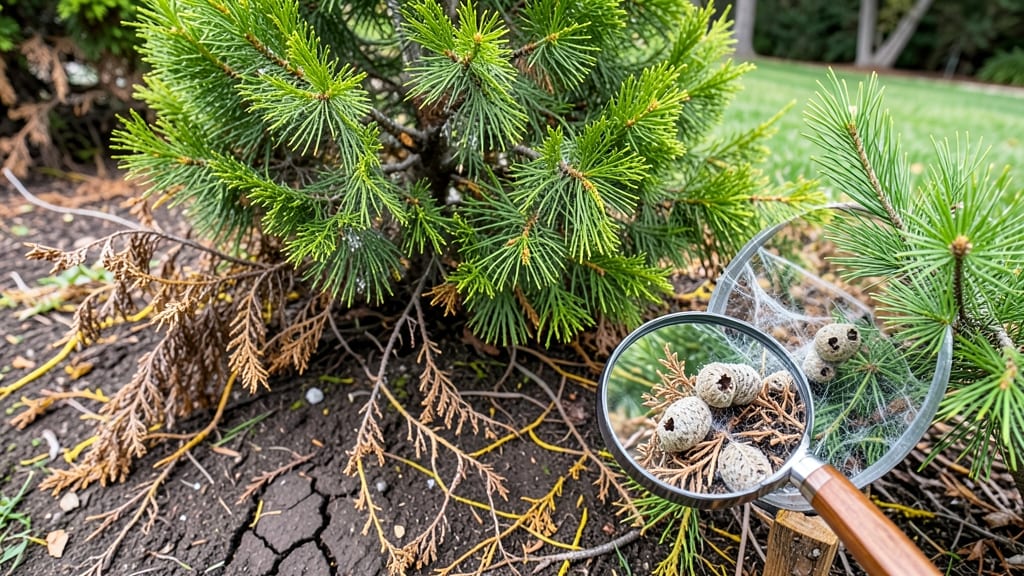
Your cypress tree’s brown branches aren’t just a cosmetic issue—they’re a cry for help. 🌳 Root rot and fungal diseases like Seiridium canker are the top culprits, turning vibrant green into a sad, brittle mess.
I’ve seen this happen after just one season of overwatering or poor drainage, and the fix starts with understanding what’s really going on beneath the soil.
The first step is diagnosing the problem: check for oozing cankers, mushrooms at the base, or a foul smell when you dig around the roots. If it’s root rot, your tree’s roots are drowning in soggy soil, while Seiridium canker leaves dark streaks under the bark.
Both need different fixes—fungicide for the first, pruning and improved airflow for the second—but the key is acting fast before the damage spreads.
With the right fungicide treatment and adjusted watering, you can bring your cypress back to life. I’ve revived trees that looked hopeless by combining copper-based sprays with mulch that keeps roots cool and dry.
The goal isn’t just to stop the browning—it’s to restore that lush, evergreen beauty you planted for.
If the tree is past saving, don’t panic—removing it now prevents the disease from infecting your other plants. And if you’re unsure, an arborist can give you a second opinion. Either way, this is your chance to turn a sad sight into a thriving centerpiece again.
Root Causes Of Cypress Browning
If your cypress tree is turning brown, the issue often starts below the soil—or even in the air. Understanding the key triggers helps you diagnose and treat the problem before it worsens.
Below, we break down the most common culprits, from environmental stress to fungal infections, with science-backed explanations and actionable clues to spot each one.
Cypress trees thrive in well-drained soil, and when they sit in soggy conditions, their roots suffocate. Overwatering or compacted, clay-heavy soil traps excess moisture, creating the perfect environment for root rot—a fungal disease that blocks nutrient uptake and turns foliage brown.
How to spot it:
- Yellowing leaves that progress to brown, crispy edges (especially in lower branches).
- Mushy, discolored roots when dug up (healthy roots are firm and white).
- Stagnant water pooling around the base after rain.
Why it happens: Fungi like Phytophthora and Pythium thrive in waterlogged soil, attacking root cells and clogging xylem vessels. Without proper oxygen, roots can’t absorb water or nutrients, causing wilting and browning from the bottom up.
Fungal pathogens are the #1 cause of browning in cypress trees, especially in humid climates. Two major offenders are:
| Disease | Symptoms | Scientific Cause |
|---|---|---|
| Phytophthora Root Rot |
|
Water-mold fungi (Phytophthora cinnamomi) invade root tissues, disrupting water transport and causing oxidative stress in leaves. |
| Seiridium Canker (Needle Blight) |
|
The fungus Seiridium unicorne enters through wounds, producing toxins that disrupt chlorophyll production, leading to browning. |
Pro Tip: 💡 Seiridium canker spreads via wind and splashing water—prune infected branches before spores release (early morning or dry days). Sterilize tools with 70% rubbing alcohol to prevent cross-contamination.
Cypress trees are drought-tolerant, but prolonged dry spells or harsh winds can cause browning. When roots can’t pull up enough water, leaves wilting and turn brown—a survival mechanism to reduce water loss.
How to spot it:
- Needles turn straw-colored or tan (not black or leathery).
- Browning starts at the tips of branches and moves inward.
- Soil pulls away from the pot (if potted) or is bone-dry 2+ inches deep.
Why it happens: Without adequate moisture, the tree’s stomata (pores) close to conserve water, but this also stops photosynthesis. Over time, cells die from dehydration, causing necrosis (browning). Windburn (desiccated needle tips) can worsen the effect.
Quick Fix: 🌡️ If soil is dry, water deeply but infrequently (1–1.5 inches per week in dry climates). Mulch with 3–4 inches of organic matter to retain moisture and protect roots.
Tiny but destructive, sap-sucking pests like spider mites and bagworms weaken cypress trees by draining nutrients. Their damage stresses the tree, leading to yellowing and browning foliage.
| Pest | Signs of Infestation | How They Cause Browning |
|---|---|---|
| Spider Mites |
|
Mites inject toxins while feeding, disrupting chlorophyll and causing cell death. Severe infestations lead to premature needle drop. |
| Bagworms |
|
Caterpillars consume mesophyll cells (leaf tissue), leaving only veins. The tree can’t photosynthesize, leading to browning and dieback. |
Pro Tip: ✨ Monitor early—bagworm cocoons overwinter on trees. In fall or winter, prune and destroy infested branches to break the life cycle.
Improper fertilization or herbicide drift can scorch cypress needles, turning them brown. Meanwhile, deficiencies in iron, manganese, or nitrogen cause interveinal chlorosis (yellowing between veins) that progresses to brown.
How to spot it:
- Uniform browning (not patchy) after fertilizer application.
- Yellowing between veins (chlorosis) in new growth.
- Slow growth or stunted branches.
Why it happens:
- Chemical burn: High-salt fertilizers or herbicides (like glyphosate drift) damage cell membranes, causing oxidative stress and necrosis.
- Nutrient deficiency:
- Iron/manganese deficiency (common in alkaline soil
Fixing Your Cypress Tree’s Brown Woes
If your cypress tree is turning brown, don’t panic—there’s hope! The right approach depends on the root cause, but with a little effort, you can nurse it back to health. Below, we’ve mapped out practical, step-by-step solutions for the most common issues, plus prevention tips to keep your tree thriving.
Signs: Mushy brown bark, soft stems, foul-smelling soil, or wilting despite watering.
Step 1: Stop Watering Immediately 💧➡️🚫
- Why? Overwatering suffocates roots and worsens rot.
- How? Let the soil dry out completely before watering again. Stick your finger 4 inches deep—if it’s damp, wait.
Step 2: Improve Drainage 🏗️💦
- For potted cypress: Move to a well-draining pot with holes. Add perlite or sand to the soil mix (50/50 with potting soil).
- For in-ground trees: Amend the soil with compost or organic matter to loosen clay-heavy areas.
Consider a French drain if water pools near the base.
Step 3: Apply Fungicide 🧴🍄
- Use a copper-based fungicide (like Copper Sulfate) or a systemic fungicide (e.g., Propiconazole).
- How to apply:
- Mix fungicide with water as directed.
- Drench the soil around the base (not the leaves) every 7–10 days for 3–4 weeks.
- Pro tip: 💡 Water the tree 24 hours before applying fungicide to help it absorb better.
Step 4: Prune Dead Branches ✂️🌿
- Cut back brown, mushy, or hollow branches with sterilized pruners (wipe with rubbing alcohol between cuts).
- Avoid over-pruning—remove only 20–30% of the foliage to reduce stress.
Prevention Tips:
✅ Water deeply but infrequently—cypress trees hate "wet feet." ✅ Mulch properly—keep mulch 3–4 inches thick but 6 inches away from the trunk to prevent rot. ✅ Avoid compacted soil—aerate the root zone if it feels hard.
Signs: Scorched, crispy brown tips (common in Leyland cypress or newly planted trees).
Step 1: Provide Afternoon Shade 🌳🌞
- If your tree gets direct afternoon sun (2 PM–6 PM), install shade cloth (30–50%) or move potted trees to a sheltered spot.
- Quick fix: 💡 Use reflective mulch (like white gravel) around the base to deflect heat.
Step 2: Water Deeply in Heatwaves 💦🔥
- Water at dawn (not dusk) to reduce evaporation.
- Soak the root zone (not just the topsoil)—use a soaker hose for 15–20 minutes.
- Mist foliage lightly in extreme heat (but avoid soggy leaves).
Step 3: Apply Anti-Transpirant Spray 🌿🛡️
- Sprays like Wilt-Pruf create a protective film to lock in moisture.
- Reapply every 2–4 weeks during heatwaves.
Prevention Tips:
✅ Acclimate new trees—gradually introduce them to full sun over 2–3 weeks. ✅ Choose the right variety—Arizona cypress tolerates heat better than Leyland cypress. ✅ Mulch with straw or wood chips to retain soil moisture.
Signs: Brown needles with sawdust-like frass, chewed bark, or sap oozing (common pests: bagworms, spider mites, or cypress aphids).
Step 1: Identify the Pest 🔍🐛
- Bagworms: Look for brown, sack-like nests on branches.
- Spider mites: Tiny webs on undersides of leaves.
- Aphids: Sticky residue (honeydew) on foliage.
Step 2: Apply Targeted Treatments 💥🛡️
| Pest | Treatment | How to Apply |
|---|---|---|
| Bagworms | Bt (Bacillus thuringiensis) or permethrin spray | Spray evenly when caterpillars are small (before nests harden). |
| Spider Mites | Neem oil or insecticidal soap | Spray both sides of leaves every 5–7 days. |
| Aphids | Horticultural oil or soapy water spray | Blast off with water first, then apply oil/soap. |
Step 3: Use Physical Barriers 🏰🛡️
- Bagworms: Handpick nests and drown in soapy water.
- Prevention: Wrap tree trunks with sticky bands in early spring to trap crawling pests.
Prevention Tips:
✅ Inspect trees weekly during peak pest season (spring–fall). ✅ Encourage natural predators—ladybugs and lacewings eat aphids! ✅ Avoid over-fertilizing—soft new growth attracts pests.
Signs: Uniform browning (not patchy), stunted growth, or needles falling off in clumps.
Step 1: Check for Salt Burn 🧂🚫
- If near a road or sidewalk, rinse the foliage with water to remove salt buildup.
- Flush the soil with 6 inches of water to leach out salt.
Step 2: Test & Amend Soil 📊🌱
- pH check: Cypress prefers 6.0–7.5. Adjust with lime (to raise pH) or sulfur (to lower pH).
- Nutrient boost: Apply a balanced fertilizer (10-10-10) in early spring.
Step 3: Protect from Wind 🌬️🛡️
- Plant windbreak shrubs (like arborvitae or boxwood) on the exposed side.
- Stake young trees if they’re bending unnaturally.
Prevention Tips:
✅ Mulch heavily (3–4 inches) to stabilize soil moisture. ✅ Water deeply before droughts—cypress trees are drought-tolerant but not drought-proof. ✅ Avoid planting near deicing salt—use salt-tolerant alternatives like holly or junipers nearby.
If your tree is over 50% brown, shows large cankers, or has structural weakness, consult an arborist. Some issues (like Phytophthora root rot) require soil injections or deep fungicide treatments best handled by experts.
With the right care, your cypress tree can bounce back—just match the problem to the fix and stay consistent! 🌿✨
Frequently asked questions
Can I save my cypress tree if half its branches are already brown?
It depends on the cause! If the browning is from root rot or Seiridium canker, aggressive treatment (fungicide + pruning) can still work—just focus on healthy growth. However, if the tree is over 50% brown or has large cankers, it may be past saving. In that case, remove it to prevent spreading disease to nearby plants.
How often should I water my cypress tree to prevent browning?
Cypress trees hate soggy soil! Water deeply but infrequently—about 1-1.5 inches per week in dry climates. Let the top 2-3 inches of soil dry out between waterings. For potted cypress, wait until the soil feels completely dry before watering again. Overwatering is the #1 cause of root rot and browning.
What’s the fastest way to tell if my cypress has root rot?
Dig near the base and check the roots: healthy roots are firm and white, while rotten ones are mushy, black, and smell foul. Another clue? If the browning starts at the bottom of the tree (not the tips), root rot is likely. For confirmation, look for mushrooms or mold growing at the soil line.
Will pruning help my cypress tree recover from browning?
Yes, but only prune dead or dying branches—never more than 20-30% of the foliage at once. Use sterilized shears (wipe with rubbing alcohol) to avoid spreading disease. Focus on removing brown, crispy, or hollow branches first. Prune in late winter or early spring for best results.
Can I use household vinegar as a fungicide for my cypress?
No—vinegar is too harsh and will burn the tree. Instead, use a copper-based fungicide (like Copper Sulfate) or a systemic fungicide (Propiconazole). For a natural option, try a neem oil spray (mix 1 tbsp neem oil + 1 tsp mild soap per gallon of water). Always test sprays on a small area first!