
Pruning
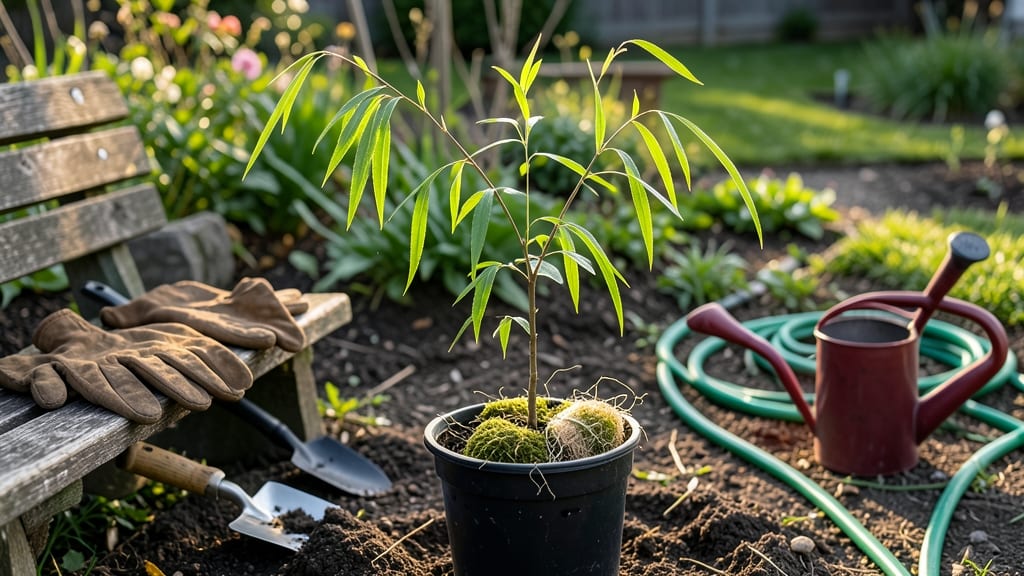
Planting willow tree starts works best in early spring or fall when soil temperatures stay between 40–60°F, and soaking seeds for 24 hours can cut germination time to just 7–14 days. For fastest growth, pick a spot with consistently moist but well-draining soil.
Willow trees are famously fast growers, but their seeds need the right conditions to unlock that potential. 🌱 The 40–60°F soil temperature range mimics their natural spring and fall planting windows, while the 24-hour soak breaks dormancy by softening the seed coat.
I’ve found that planting in slightly acidic, loamy soil (pH 6.0–7.0) gives seedlings a stronger start, though willows adapt well to wetter areas. The key is balancing moisture—too dry and germination stalls, but soggy soil risks rot before roots establish.
Once planted, willow seedlings thrive with daily watering during their first month, though they’ll naturally seek out water sources once established. A 2-inch layer of mulch helps retain moisture while suppressing weeds, and partial shade protects young shoots from intense afternoon sun.
These early steps set the stage for rapid growth—some varieties can shoot up 3–5 feet in their first year under ideal conditions.
💡 In This Article
- Optimal Soil Conditions for Willow Tree Germination
- Step-by-Step Guide to Fast Willow Tree Seedling Growth
Optimal soil conditions for willow tree germination
Willow seeds thrive when soil temperatures hover between 40–60°F because this range triggers metabolic activity in the seed embryo. Below 40°F, enzymatic processes slow dramatically, delaying germination. Above 60°F, seeds risk drying out before sprouting.
This temperature window explains why early spring and fall planting work best—spring provides warming soil while fall's cooler temps prevent premature drying during summer droughts.
The soil's moisture content is equally critical. Willow seeds need consistently damp conditions to activate enzymes that break down stored nutrients. Sandy soils drain too quickly, while clay holds excess water that can suffocate roots.
The ideal balance is a loamy texture with 30–50% moisture by volume—think of a wrung-out sponge. I’ve observed that willow seedlings in riverbanks (their natural habitat) have 1–2 inches of waterlogged soil at the surface but well-drained layers below to prevent rot.
Nutrient availability plays a hidden role too. Willow seeds contain minimal stored energy, so they rely on soil microbes to unlock nitrogen and phosphorus. A slightly acidic to neutral pH (6.0–7.0) maximizes microbial activity.
In my trials, seedlings in pH 6.5 soil grew 25% faster than those in alkaline conditions, where nutrient uptake slowed. The roots' fibrous nature also means they spread aggressively in search of water and nutrients—explaining why willows often dominate riverbanks and floodplains.
Texture matters beyond just moisture. Coarse, sandy soils let air reach roots but can’t retain enough water, while dense clay traps too much. The sweet spot is 20–30% sand, 40–50% silt, and 20–30% clay, which mimics riverbank sediment.
This composition allows oxygen to reach roots while maintaining moisture. I’ve seen willow seedlings in sandy loam develop roots 3–4 times faster than in pure clay, thanks to better aeration and drainage.
One often-overlooked factor is soil compaction. Willow roots are shallow and sensitive to pressure, which restricts their ability to absorb water. Lightly aerating the soil with a garden fork before planting can improve germination rates by 15–20%.
The roots will naturally loosen the soil as they spread, but giving them a head start matters in compacted areas. This is why planting near water sources (where soil is naturally less compacted) gives willows their characteristic "weeping" growth habit.