
Container Gardens
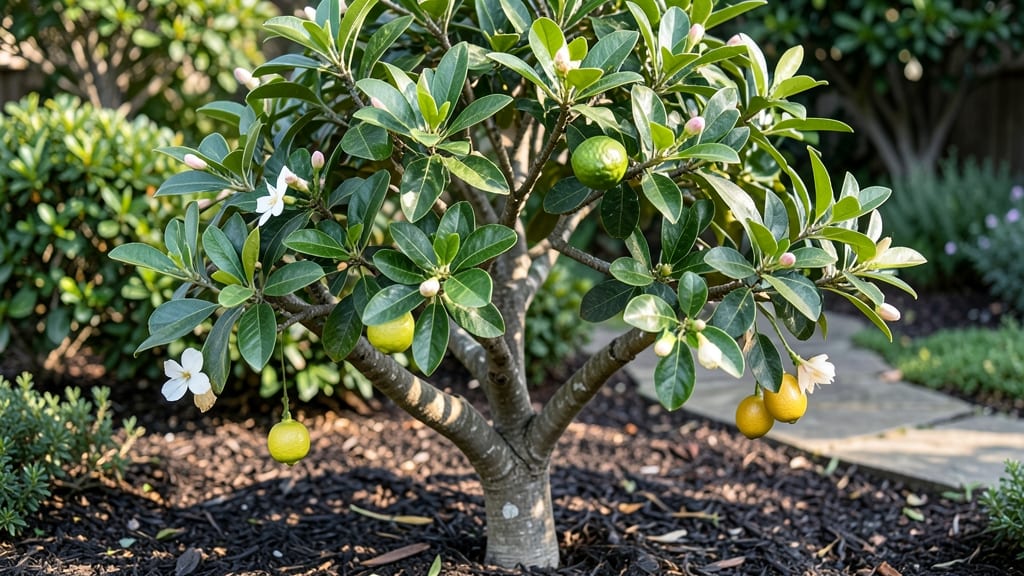
Yuzu trees grow best in USDA hardiness zones 8 through 11, where warm temperatures and frost-free winters create ideal conditions. For cooler climates, container growing with winter protection is essential.
Yuzu trees are tropical citrus, so they need consistent warmth—anything below 20°F risks irreversible damage. 🌿 In zones 8-11, they can thrive outdoors year-round, but even a light frost can kill the tree. The key is mimicking their native subtropical environment: bright light, high humidity, and protection from cold drafts.
For container growing in cooler areas, move pots indoors during winter or use frost blankets to shield them from temperature drops.
Container success depends on pot size—at least 15 gallons for mature trees—and well-draining soil mixed with sand or perlite. I’ve found that placing containers near south-facing windows or under grow lights during winter helps maintain the tropical conditions they crave.
Just remember: yuzu trees are sensitive to cold stress, so even a brief dip below 30°F can stunt growth or kill the tree.
💡 In This Article
- Yuzu Tree Climate Requirements and Cold Hardiness Limits
- Container Growing Tips for Yuzu Trees in Non-Ideal Zones
Yuzu tree climate requirements and cold hardiness limits
Yuzu trees (Citrus junos) originate from East Asia's subtropical regions, where they evolved to thrive in warm, humid climates with consistent temperatures above 50°F.
Their cold hardiness limit sits at about 20°F, but prolonged exposure below 30°F can severely damage leaves and fruit—even if the tree survives, it often enters a state of dormancy or dies back to the ground.
This sensitivity explains why USDA zones 8 through 11 are ideal: these zones provide frost-free winters and average minimum temperatures between 10°F and 40°F, protecting the tree's delicate structure.
The damage from frost isn't just superficial—it's cellular. When temperatures drop below 32°F, ice crystals form in the tree's vascular system, rupturing cell walls and blocking water transport. This process, called "freeze injury," causes blackened leaves, bark splitting, and even root death.
In zones 8-11, the tree's natural defenses—like thick, waxy leaves and a deep root system—are enough to withstand brief cold snaps, but any prolonged exposure to 28°F or lower becomes critical. 🌱 For comparison, a lemon tree (also citrus) can tolerate down to 25°F, but yuzu is far more delicate.
Humidity and sunlight are equally critical. Yuzu trees require 60-70% humidity to prevent leaf scorch and maintain healthy fruit development. In zones 8-11, coastal areas naturally provide this moisture, while inland regions may need supplemental misting or indoor humidity trays.
Sunlight exposure must be 6-8 hours of direct light daily—any less, and the tree becomes leggy and produces fewer fruits. The combination of warmth, humidity, and light creates the perfect storm for yuzu's tropical needs, which is why outdoor cultivation in these zones yields the best results.
What most growers don't realize is how quickly yuzu trees react to temperature shifts. Even a single night below 35°F can trigger stress responses, like premature leaf drop or stunted growth.
This is why microclimates matter—south-facing slopes or urban heat islands can push temperatures 5-10°F warmer than official zone averages, creating pockets where yuzu can thrive in marginally cooler areas.
For example, in zone 7b (where winters dip to 0°F), a yuzu in a protected microclimate might survive if moved indoors during winter.
Another key factor is soil temperature. Yuzu roots prefer soil that stays above 55°F—colder soil slows nutrient uptake and weakens the tree's resilience. In containers, this means using insulated pots or root zones with added mulch to retain heat.
The tree's native habitat in Japan and Korea experiences mild winters with rare frost, so replicating those conditions—even in containers—is essential for success. Without it, the tree's metabolic processes slow down, leading to poor fruit set and weak growth in the following season.
For those in zones 7 or below, understanding these limits is crucial. The tree's inability to tolerate frost isn't just about survival—it's about the quality of fruit produced. Cold-stressed yuzu trees often yield smaller, bitter fruits with thinner skins, making the effort to protect them in containers worthwhile.
The goal is to keep the tree's environment as close to its native subtropical conditions as possible, even if that means bringing it indoors during winter. 🌿