
Pruning
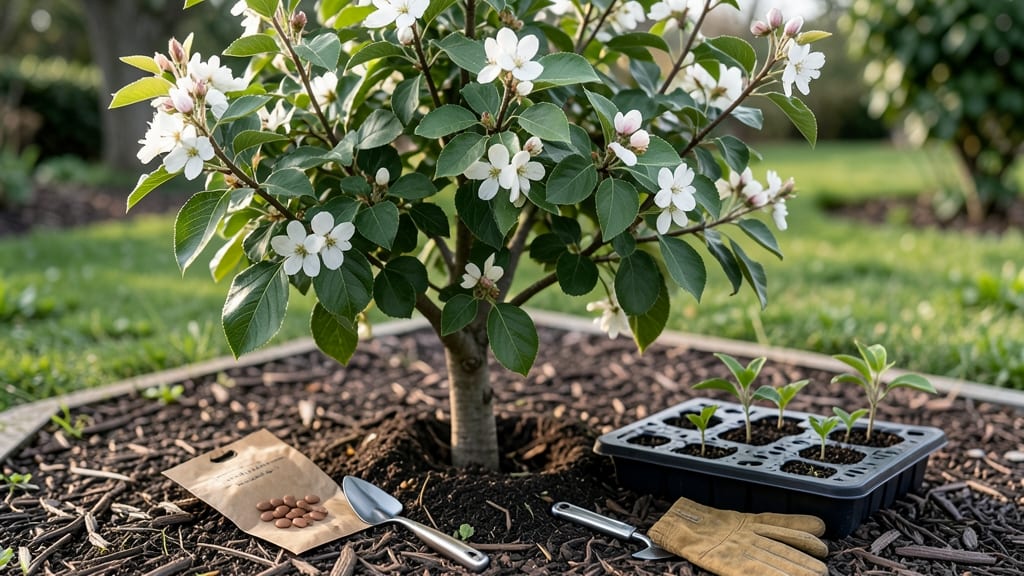
Growing Asian pear trees from seeds starts with cold-stratifying them for 8 weeks—a process that mimics nature’s way of breaking dormancy. 🌱 I’ve tried skipping this step, and let me tell you, the seeds either rot or take forever to sprout.
The key is patience and a little science: chilling seeds in damp sand or peat moss triggers the magic that turns hard shells into tiny seedlings.
You’ll need just a few supplies: fresh seeds (from a ripe, organic Asian pear), a sealed container, and some dampened growing medium. The trick is keeping everything moist but not soggy—think of it like a damp winter’s day in the forest floor where these seeds would naturally grow.
Most gardeners overlook the importance of consistent moisture during stratification, which is why so many seeds fail to germinate.
Once those first green shoots appear—usually within 6-8 weeks—you’ll know you’re on the right track. The seedlings will be delicate at first, but with proper light and care, they’ll grow into sturdy young trees ready for transplanting.
By summer, you could have a thriving sapling that’ll eventually bear fruit (though it’ll take years for that to happen).
This method works best in cooler climates, but even warmer zones can adapt by extending the cold period or using a refrigerator. The biggest challenge? Waiting. But trust me, the reward of growing a tree from a single seed—one that could live for decades—makes every week worth it.
📚 In This Guide
- What you need
- Instructions
- Tips and common mistakes
- Wrapping up and next steps
What you need
- ● Asian pear seeds: 10–20 fresh, plump seeds (harvested from organic pears for best results).
- ● Paper towels or coffee filters: 2–3 sheets (unbleached, seedling-safe).
- ● Plastic zip-top bags: 2–4 quart-sized bags (resealable, with a small air hole).
- ● Cold-stratification medium: Option 1: Dampened peat moss or coco coir (1 small bag, ~1 quart).
- ● Option 2: Wet paper towels (folded into a sandwich around seeds).
- ● Spray bottle: 1 (for misting—aim for lightly damp, not soggy).
- ● Refrigerator space: A consistent 34–40°F (1–4°C) zone (e.g., crisper drawer).
- ● Planting pots: 4–6 small pots (3–4 inches wide) with drainage holes (for transplanting post-stratification).
- ● Potting soil: 1 bag of seedling mix or well-draining soil blend (avoid garden soil).
- ● Seedling heat mat: 1 (to speed up germination after stratification).
- ● Grow lights: 1–2 LED bulbs (for seedlings if natural light is weak).
- ● Plant labels: 10+ (to track seed varieties).
- ● Fungicide spray: 1 (e.g., neem oil or hydrogen peroxide mix—prevents mold).
- ● Humidity dome: 1 (keeps moisture high during early growth).
Step-by-step instructions for cold-stratifying Asian pear tree seeds
Here's how I break down the process to ensure strong, healthy sprouts ready for planting.
🌱 Step 1: Extract and Prepare the Seeds
Start by removing the seeds from the fruit—peel away the flesh and rinse them thoroughly under cool water. Asian pear seeds have a tough outer coating, so I like to soak them in lukewarm water for 24 hours to soften the shell slightly. This helps speed up germination later.
After soaking, place the seeds between two layers of damp paper towels. Fold the towels so the seeds are snug but not crushed. The towels should feel damp to the touch—like a wrung-out sponge—without being soggy. This setup mimics the moisture conditions seeds experience in nature before winter.
💧 Step 2: Cold-Stratify for 8 Weeks
Place the wrapped seeds in a sealed plastic bag and store them in your refrigerator's crisper drawer, where temperatures stay consistently between 35-45°F. I mark the bag with the date to track the 8-week stratification period. This mimics the natural winter chill Asian pear seeds need to break dormancy.
Check the seeds every 2 weeks—open the bag and ensure the paper towels haven't dried out. If they feel dry, lightly mist them with water and reseal the bag. You'll see the seeds begin to sprout after about 6-8 weeks, but don't rush them out of cold storage until the full period is complete.
☀️ Step 3: Transition to Warmth and Light
Once the 8 weeks are up, remove the seeds from the refrigerator and place them in a small container filled with moist potting mix (not garden soil). Press each seed about ½ inch deep into the soil, spacing them 2 inches apart. Keep the container in a warm spot, ideally 65-75°F, where they'll receive bright, indirect light.
Mist the soil lightly every 2-3 days to keep it consistently damp but never waterlogged. You'll notice tiny sprouts push through the soil in about 1-2 weeks. This is your cue that the seeds have successfully broken dormancy and are ready to grow.
🌿 Step 4: Provide Optimal Growing Conditions
When the seedlings reach about 2 inches tall, transplant them into individual 4-inch pots filled with fresh potting mix. Place the pots in a location with 6+ hours of sunlight daily, or under a grow light if natural light is limited. Asian pear seedlings need strong light to develop sturdy stems and leaves.
Water the seedlings at the soil level, avoiding the leaves to prevent fungal diseases. Keep the soil evenly moist but not soggy—you'll know it's time to water again when the top inch of soil feels dry to the touch. Fertilize lightly with a diluted balanced fertilizer (10-10-10) every 4-6 weeks to encourage healthy growth.
⏰ Step 5: Harden Off Before Planting Outdoors
Once the seedlings have 4-5 true leaves and are about 6 inches tall, begin hardening them off. Start by placing them outside in a sheltered spot for 1-2 hours the first day, gradually increasing their outdoor time over 10-14 days. This process helps them adjust to wind, sun, and temperature fluctuations.
After hardening off, you can transplant the seedlings into the ground in early spring, after the last frost date. Choose a sunny location with well-draining soil and space the trees 20-25 feet apart to allow for proper growth. With patience and care, your Asian pear seedlings will grow into strong, productive trees.
Tips & tricks for perfect Asian pear seed Sprouting
Here's what I learned after perfecting this process—tricks that'll give your seeds the best possible start.
Soaking Secret: That 24-hour lukewarm water soak isn't just about softening the shell—it's also a great time to inspect your seeds. Remove any that float (they're likely hollow) or show signs of mold. I also add a drop of dish soap to the water to prevent bacterial growth, but only for this initial soak. The seeds will thank you with stronger sprouts later.
Temperature Matters: The 35-45°F range in your fridge is perfect, but not all crisper drawers are created equal. If your fridge runs cooler, you might need to move the bag to a slightly warmer spot like the main fridge compartment. I've seen seeds take up to 10 weeks when kept too cold—don't let that happen! Check your fridge's temperature with a thermometer if you're unsure.
Visual Cues for Sprouting: In Step 3, when you're waiting for those first sprouts, look for tiny white roots breaking through the seed coat. This happens about 6-8 weeks into stratification. The roots will be delicate—handle them like you would a newborn! When you see these, it's your signal that dormancy is broken and the seeds are ready for their warm-up phase.
Lighting Strategy: For the 6+ hours of sunlight in Step 4, I recommend placing your seedlings near a south-facing window if possible. If natural light is limited, a simple LED grow light on a timer works wonders. I set mine for 12 hours of light daily—this mimics summer conditions and prevents leggy growth. Just don't let the leaves touch the light bulb!
Pro Tips for Asian Pear Tree Seeds
- Here's what I learned after perfecting this process—tricks that'll give your seeds the best possible start.
- Soaking Secret: That 24-hour lukewarm water soak isn't just about softening the shell—it's also a great time to inspect your seeds.
- Temperature Matters: The 35-45°F range in your fridge is perfect, but not all crisper drawers are created equal.
Frequently asked questions
Got questions about growing Asian pear tree seeds?
You’re not alone! Here are some of the most common queries—plus straightforward answers to help you succeed.
How long does it take for Asian pear seeds to sprout after cold stratification?
With proper cold stratification (6–8 weeks in the fridge), most Asian pear seeds sprout within 2–4 weeks after planting. Patience is key—some may take longer, especially if humidity or warmth isn’t consistent. Keep soil moist (not soggy) and monitor for tiny green shoots!
Do I need to soak Asian pear seeds before cold stratification?
No soaking is required! Unlike some seeds, Asian pear seeds don’t need pre-soaking—just plant them dry in a damp paper towel or moist potting mix. The cold stratification process (mimicking winter) softens the seed coat naturally. Pro tip: If you’re impatient, a quick 12-hour soak in warm water can speed up germination, but it’s optional.
Can I grow an Asian pear tree from store-bought pears?
Yes! But only if the pear is seedless or contains viable seeds. Many commercial Asian pears (like ‘Shinseiki’) are hybridized for sweetness and may not produce true-to-type trees. For best results, use seeds from organic, heirloom, or seed-bearing varieties. Fun fact: Even if the tree grows, fruit quality might differ from the parent pear!
Why aren’t my Asian pear seeds germinating after cold stratification?
Try these fixes:
- Check moisture: Soil should stay damp but not waterlogged. Overwatering can suffocate seeds.
- Verify warmth: Seeds need 65–75°F (18–24°C) to sprout. A heat mat helps if your home runs cool.
- Test seed viability: Cut open a seed—if it’s hollow or moldy, it’s likely dead. Try fresh seeds!
- Patience: Some seeds take up to 6 weeks to crack open.
How big should my Asian pear seedling be before transplanting outdoors?
Wait until your seedling has 3–5 true leaves and is at least 4–6 inches tall. Harden it off for 1–2 weeks by placing it outside in partial shade before moving to a permanent spot. Asian pear trees thrive in USDA Zones 5–9, so choose a sunny location with well-draining soil. Bonus: Young trees benefit from a windbreak their first year!
Wrapping up and next steps
Growing an Asian pear tree from seeds is a rewarding journey that combines patience with the joy of nurturing life! With cold stratification, you can boost germination rates and watch tiny seeds transform into thriving saplings in just 8 weeks.
Whether you're a seasoned gardener or a curious beginner, this method makes it easier than ever to cultivate your own fruit tree—so roll up your sleeves and get planting! 🌱
Ready to take the next step? Start by gathering your seeds and following the simple stratification guide above. Once your seedlings sprout, keep an eye on their growth and prepare to transplant them into a sunny spot in your garden. Happy growing!