
Trees
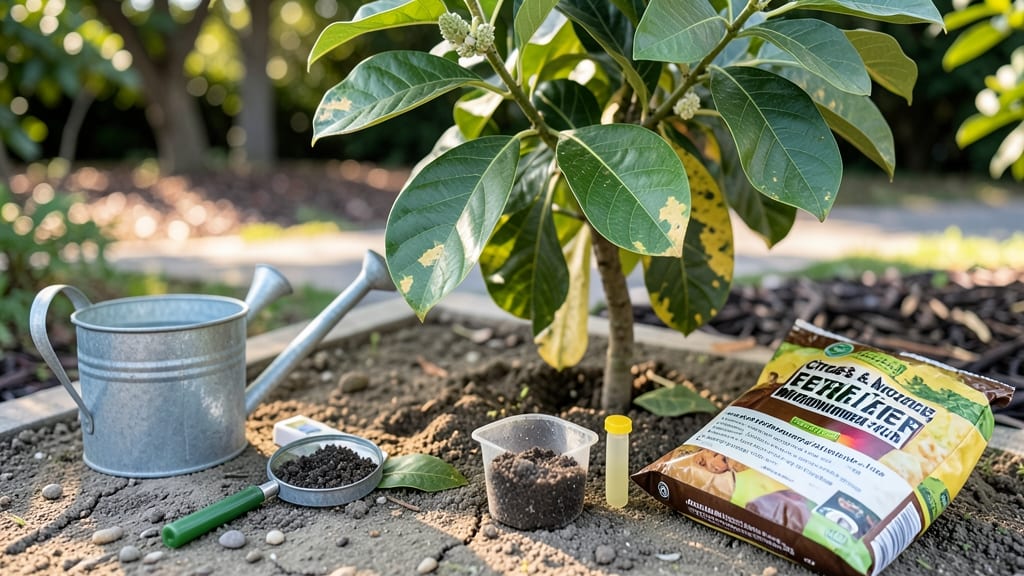
Yellow leaves on your avocado tree scream one thing: the roots aren't happy. 🌿 Whether it's too much water, the wrong soil pH, or a hidden nutrient deficiency, the fix starts with understanding what your tree actually needs—not what you think it should get.
I've nursed back more than a few struggling avocados, and the key is always the same: healthy roots mean vibrant leaves.
First, check the soil. Avocados hate soggy feet—water only when the top 2-3 inches are dry, and make sure your pot or soil has drainage holes. Then test the pH: ideal is between 6.0 and 7.0.
If it's off, a simple amendment with sulfur (to lower pH) or lime (to raise it) can work wonders. Yellowing between the veins? That's classic chlorosis, and magnesium might be the missing piece.
You'll see the turnaround within weeks: new leaves emerge a rich, deep green, and the tree starts putting energy into growth instead of survival mode. Prune any severely yellowed leaves to redirect that energy.
The best part? Once you balance the soil, your avocado will stay lush for years with minimal upkeep.
Works for container-grown trees, in-ground plants, and even those tricky dwarf varieties. Here's how to diagnose and fix it step by step—no guesswork, just results. Let's get those roots thriving again.
Root Causes Behind Yellowing Leaves
When your avocado tree’s leaves start turning yellow, it’s often a cry for help—whether from hidden stressors or simple oversights. Understanding the why behind the discoloration is the first step to restoring your tree’s vibrant green health.
Below, we break down the most common culprits, backed by science, so you can diagnose the issue with confidence.
Avocado trees thrive in well-draining soil, but when roots sit in soggy conditions, they struggle to absorb oxygen and nutrients. Yellowing leaves (especially on lower branches) are a classic sign of root rot, a fungal infection triggered by excess moisture.
- How it happens: Overwatering, compacted soil, or containers without drainage holes trap water around roots, suffocating them. Fungi like Phytophthora exploit this environment, blocking nutrient uptake.
- Key clues:
- Leaves yellow from bottom to top.
- Mushy, black roots when inspected.
- Slow growth or wilting despite moist soil.
- Science note: Avocado roots need 10–15% air space in soil. Without it, roots can’t respire, leading to chlorosis (yellowing from nutrient starvation).
Yellow leaves often signal a lack of critical nutrients, with iron deficiency (iron chlorosis) being the most common. Avocado trees are particularly sensitive to soil pH imbalances, which lock out essential minerals.
- How it happens:
- Iron deficiency: In alkaline soils (pH >7.0), iron oxidizes into an unusable form. Leaves turn pale yellow between veins (interveinal chlorosis).
- Nitrogen deficiency: Leaves yellow evenly (not just between veins) and may drop prematurely. Common in sandy or leached soils.
- Key clues:
- New growth is lighter green or yellow.
- Veins remain green (iron) or entire leaf yellows (nitrogen).
- Stunted growth or small leaves.
- Science note: Iron is immobile in plants—once symptoms appear, older leaves show signs first. Avocados need pH 6.0–7.0 for optimal iron uptake.
Avocado trees are tropical but can suffer when pushed beyond their comfort zone. Sudden temperature drops, harsh sun, or windburn can cause leaves to yellow or scorch.
- How it happens:
- Sunburn: Young leaves or those exposed to intense afternoon sun (especially in hot climates) develop brown/yellow patches with crispy edges.
- Cold damage: Temperatures below 30°F (-1°C) can cause yellowing, wilting, or blackened leaves. Avocados are frost-sensitive!
- Windburn: Constant wind desiccates leaves, leading to yellowing and curling on exposed sides.
- Key clues:
- Symptoms appear suddenly after weather changes.
- Leaves may have ragged edges or necrotic spots.
- New growth is stunted or deformed.
- Science note: Avocado leaves have a cuticle wax layer that protects against water loss. Damage to this layer (from sun/wind) disrupts photosynthesis, causing yellowing.
Hidden invaders like root-knot nematodes, spider mites, or fungal pathogens can drain your tree’s vitality, leading to yellow leaves as a secondary symptom.
- How it happens:
- Root-knot nematodes: Microscopic worms burrow into roots, reducing water/nutrient absorption. Leaves yellow uniformly and the tree may wilt.
- Spider mites: These pests suck sap, causing yellow stippling (tiny yellow dots) on upper leaf surfaces.
- Fungal diseases (e.g., anthracnose): Yellow spots with dark borders appear, often in humid conditions.
- Key clues:
- Sticky residue (honeydew) or webbing on leaves (mites).
- Galls or knots on roots (nematodes).
- Dark, irregular spots with yellow halos (fungal).
- Science note: Pests/diseases disrupt chlorophyll production by damaging leaf tissue or blocking nutrient transport. A single infestation can trigger a cascade of stress responses.
💡 Pro Tip: Before treating, check the soil pH (ideal: 6.0–7.0) and inspect roots/leaves for pests. A simple soil test kit can reveal if nutrient deficiencies are the root cause.
Revive Your Avocado Tree Now
Yellow leaves on your avocado tree aren’t just a cosmetic issue—they’re a cry for help! The good news? Most causes have simple, effective fixes. Below, we’ve mapped out practical solutions tailored to the root of the problem, plus prevention tips to keep your tree thriving.
Let’s get your avocado back to its lush, green glory.
If your tree’s leaves are pale or yellowing between veins (a classic sign of chlorosis), it’s likely starving for key nutrients. Avocados are heavy feeders, especially in nutrient-poor soils.
🍽️ Step 1: Test Your Soil (The Detective Work)
Before dumping fertilizer, know what’s missing! Grab a soil test kit (available at garden centers) or send a sample to a local extension office.
Look for: - Low iron (Fe) – Most common in alkaline soils. - Low nitrogen (N) – Causes overall yellowing, not just veins. - Low magnesium (Mg) – Leads to yellowing between veins (like chlorosis).
Pro Tip: 💡 If you’re impatient, chelated iron supplements (like Iron Chelate) can give your tree a quick boost while you wait for test results.
🌿 Step 2: Amend the Soil for Absorption
Avocados hate alkaline soil (pH >7.0), which locks out iron and manganese. Here’s how to fix it: - Add organic matter: Mix in compost, peat moss, or well-rotted manure (1–2 inches around the base).
This improves drainage and acidity. - Use sulfur or acidic fertilizers: Work elemental sulfur (1–2 lbs per 100 sq ft) into the top 6 inches of soil to lower pH. Alternatively, use an acid-loving plant fertilizer (like 8-3-9 with sulfur). - Mulch properly: Apply 3–4 inches of wood chips or pine bark to retain moisture and slowly acidify the soil over time.
Pro Tip: 🌡️ Avoid overwatering—waterlogged soil worsens nutrient uptake. Let the top 2–3 inches dry out between waterings.
🍃 Step 3: Fertilize Smartly
- For iron deficiency: Sprinkle iron sulfate or chelated iron granules around the root zone. Water lightly to activate.
- For nitrogen deficiency: Use a balanced fertilizer (like 10-10-10) in early spring and summer.
Avoid high-nitrogen lawn fertilizers—they burn roots. - For magnesium deficiency: Apply Epsom salt (magnesium sulfate) every 2–3 months (1 tbsp per gallon of water, applied as a foliar spray or soil drench).
Warning: ⚠️ Never fertilize a stressed tree (e.g., after transplanting or during drought). Wait until the tree shows signs of recovery.
Yellowing leaves paired with drooping, mushy stems or root rot? Your avocado is drowning. Avocados prefer well-draining soil—they’re drought-tolerant once established!
🚿 Step 1: Check the Roots
Gently loosen the soil around the base (6–12 inches deep) to inspect for:
- Black, smelly roots → Root rot (from overwatering or compacted soil).
- Dry, crumbly soil → Underwatering (but check deeper—surface soil can be moist while roots are parched).
🔧 Step 2: Improve Drainage Fast
- Raise the tree: If in a pot, ensure it has drainage holes.
Add a layer of gravel or perlite at the bottom. - Amend heavy clay soil: Mix in sand, perlite, or coconut coir to break up compaction. - Adjust watering: Water deeply but infrequently—1–2 times per week in summer, less in winter.
Let the soil dry out between waterings.
Pro Tip: 🎯 Use a moisture meter to avoid guesswork. Stick it 3–4 inches deep; water only if it reads dry.
🌧️ Step 3: Prevent Future Problems
- Mulch correctly: Use organic mulch (like wood chips) but keep it 2–3 inches away from the trunk to prevent rot.
- Avoid soggy spots: If your yard has poor drainage, plant avocados on a slight mound or in a raised bed.
- Monitor weather: After heavy rains, check for standing water—avocados hate “wet feet.”
If yellowing is only on the south or west side (in the Northern Hemisphere) or appears crispy with brown edges, your tree is sunburned or struggling with heat stress.
☀️ Step 1: Provide Shade Strategically
- Young trees: Use light shade cloth (30–50%) for the first year to acclimate.
- Mature trees: Plant near other trees (like palms or citrus) or install a partial shade structure.
- Avoid sudden moves: If transplanting, harden off the tree by gradually exposing it to sun over 2–3 weeks.
💦 Step 2: Hydrate Properly
- Deep watering: Water slowly and deeply (1–2 inches per week) to encourage deep root growth.
- Morning watering: Water before 10 AM to reduce evaporation and fungal risks.
- Mist leaves (for young trees): Use a fine spray on hot days to prevent leaf scorch.
Pro Tip: ✨ Mulch heavily (3–4 inches) to retain moisture and cool roots.
Yellowing leaves with holes, webbing, or sticky residue? Pests like spider mites, scale, or aphids are sucking the life out of your tree.
🐜 Step 1: Identify the Culprit
- Spider mites: Tiny yellow/red dots on leaves, webbing.
- Scale insects: Bumpy, waxy spots on stems/leaves.
- Aphids: Sticky honeydew, curled leaves.
🧼 Step 2: Treat Naturally or Chemically
- Hose off pests: Blast leaves with water (every 2–3 days) to dislodge mites/aphids.
- Neem oil spray: Mix 1 tbsp neem oil + 1 tsp mild soap per gallon of water.
Spray early morning or evening (avoid direct sun). - Insecticidal soap: Effective for soft-bodied pests like aphids. - For severe infestations: Use systemic insecticides (like imidacloprid) as a last resort.
Pro Tip: 🔥 Encourage beneficial insects—ladybugs and lacewings eat pests! Plant marigolds or basil nearby as traps.
Keep your avocado tree healthy with these easy habits: ✅ Test soil every 2–3 years (pH and nutrients). ✅ Fertilize in early spring and summer (avoid fall/winter). ✅ Water deeply but infrequently—let soil dry between waterings. ✅ Prune properly: Remove dead/diseased branches in late winter. ✅ Monitor for pests weekly—catch problems early! ✅ Protect from frost: If in a cold climate, mulch heavily and consider a frost cloth in winter.
Your avocado tree’s yellow leaves don’t have to be permanent! With the right care, it’ll bounce back—and you’ll be enjoying juicy avocados in no time. 🥑💚 Start with one fix (like adjusting pH or watering habits), then build from there. Happy growing!
Frequently asked questions
Why do my avocado tree's oldest leaves turn yellow first?
This is normal! Avocado trees follow a process called senescence, where older leaves naturally yellow and drop to make way for new growth. The tree redirects nutrients to younger leaves, so don't panic if the bottom leaves yellow first—it's just their life cycle. However, if new leaves are also yellowing, that signals a nutrient deficiency or other issue.
Can I save my avocado tree if the yellowing is from root rot?
Yes, but act fast! First, remove the tree from wet soil and inspect the roots. Trim away any black, mushy roots with clean pruners. Repot in fresh, well-draining soil with perlite or sand, and water only when the top 2-3 inches are completely dry. For severe cases, consider root hormone treatments to help recovery.
How often should I fertilize my avocado tree to prevent yellow leaves?
Feed your avocado tree every 2-3 months during growing season (spring through summer) with a balanced fertilizer (like 6-6-6). Avoid fertilizing in fall/winter when growth slows. For nutrient deficiencies, use targeted supplements: iron chelate for chlorosis, Epsom salt for magnesium, or compost tea for general health.
Will yellow leaves spread to my other avocado trees?
Not directly, but common causes like pests or soil-borne diseases can spread. If your yellowing is from root rot or fungal issues, clean tools between trees and avoid working with soil when it's wet. For nutrient deficiencies, test each tree's soil separately—different spots in your yard may have different pH levels or nutrient levels.
How long does it take to see improvement after fixing yellow leaves?
With proper care, you should see new green growth within 2-4 weeks. For severe cases (like root rot), recovery may take 2-3 months6 weeks of proper treatment, reconsider your diagnosis and try a different approach.