
Trees
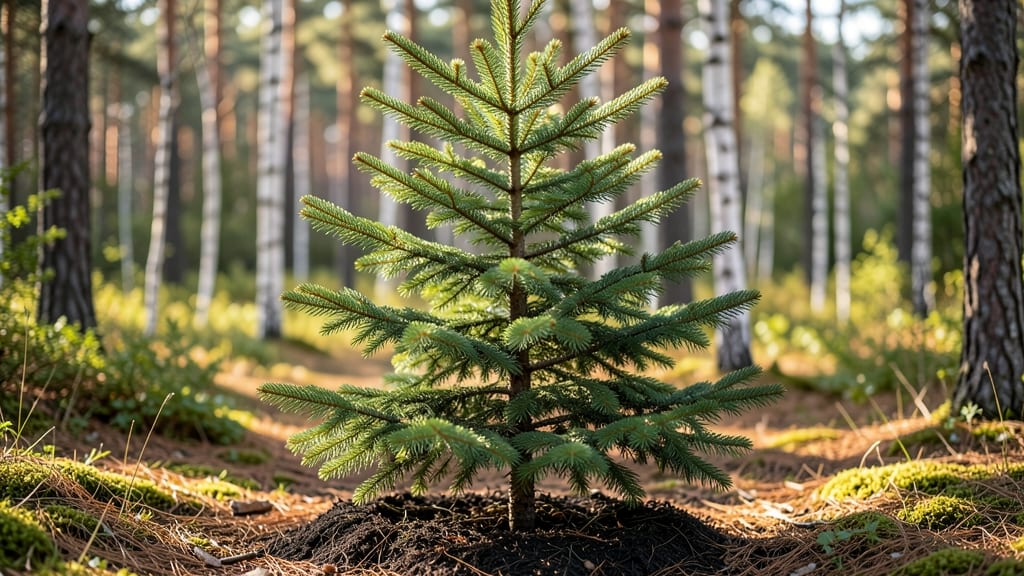
The balsam fir Christmas tree scent creates that nostalgic holiday aroma from its unique blend of natural oils, including limonene and pinene, which combine to deliver a fresh, candy-like fragrance that feels like winter magic. Its signature scent becomes even more pronounced when exposed to cooler temperatures.
That unmistakable holiday fragrance isn't just nostalgia—it's science. 🌲 The balsam fir's scent profile comes from a complex mix of volatile organic compounds, where limonene gives it that citrusy brightness while pinene adds the piney depth.
What makes it special is how these compounds interact with cold air molecules, creating that signature "Christmas tree" smell that triggers happy memories. Unlike other evergreens, balsam firs produce fewer harsh resinous notes, making their aroma softer and more approachable—perfect for indoor holiday displays.
This unique scent chemistry explains why balsam firs dominate holiday markets. Their fragrance isn't just about the tree itself—it's about creating an entire sensory experience that transports you straight to childhood memories of decorated trees and cozy winter evenings.
The combination of freshness and sweetness makes it ideal for both natural decorations and commercial holiday fragrances.
💡 In This Article
- Chemistry Behind Balsam Fir’s Signature Holiday Aroma
- How to Maximize Balsam Fir Scent in Your Home Decor
Chemistry behind balsam fir's signature holiday aroma
The balsam fir's iconic scent comes from a precise chemical cocktail of terpenes—volatile organic compounds that evaporate easily into the air.
The star players are limonene (which gives that citrusy brightness) and pinene (responsible for the piney depth), but it also contains myrcene and camphene that contribute to its complex profile. These compounds exist in the tree's resin ducts, which are especially concentrated in the needles.
When you crush a balsam fir needle between your fingers, you're physically releasing these terpenes into the air, creating that immediate holiday aroma.
Cold temperatures play a crucial role in amplifying this scent. At 32-50°F—typical indoor winter temps—the terpene molecules move more slowly, allowing scent particles to linger longer in the air.
This is why a balsam fir smells stronger in your living room than it would in a warm greenhouse. 🌨️ The cold also causes the resin to become slightly more viscous, which helps trap and slowly release fragrance molecules.
For comparison, a Douglas fir (which contains more alpha-pinene) has a sharper, more resinous smell, while balsam fir's balanced terpene profile creates that sweeter, more candy-like aroma.
What makes balsam fir unique among evergreens is its lower concentration of harsh, resinous compounds. While trees like Scotch pine contain up to 30% alpha-pinene (which can smell medicinal or even slightly bitter), balsam fir typically has only 10-15% pinene combined with higher levels of limonene.
This balance creates the signature "Christmas tree" scent that's fresh yet sweet—almost like a cross between a candy cane and a winter forest. The tree's thin, flexible needles also contribute to the scent experience by releasing terpenes more efficiently than thicker-needled species.
Interestingly, the scent profile changes slightly based on the tree's age and growing conditions. Younger trees (under 10 years old) tend to have more limonene, giving them a brighter aroma, while older trees develop more pinene and camphene, adding depth.
Trees grown in cooler climates with shorter growing seasons produce more resin, enhancing their fragrance. This is why Canadian-grown balsam firs often have a more intense holiday scent than those from warmer regions.
The science of scent perception comes into play too. When you inhale balsam fir's aroma, the terpenes bind to olfactory receptors in your nose, particularly those sensitive to citrus and pine notes. The brain then interprets these signals as "fresh" and "sweet," triggering those nostalgic holiday memories.
This is why the scent is so universally appealing—it's not just about the chemicals, but how they interact with our emotions and memories.
For those who love the scent, understanding these chemical processes explains why balsam firs dominate holiday markets. Their balanced terpene profile creates an aroma that's complex yet approachable—perfect for indoor decorations where you want something fresh without being overpowering.
The combination of science and sensory experience is what makes this evergreen the quintessential Christmas tree scent.