
Planting
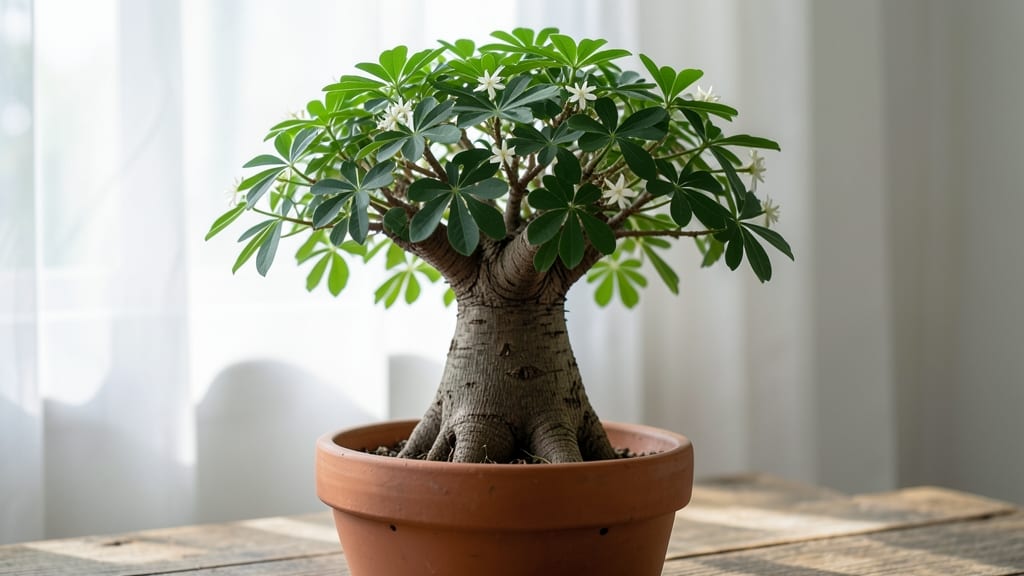
Growing a baobab tree as a house plant means embracing patience and drama—this slow-growing giant becomes the centerpiece of any room. 🌿 The key is mimicking its desert origins: bright light, infrequent watering, and a pot that lets it stretch its roots without feeling cramped.
My first baobab sat neglected for months, and it thrived more than the ones I fuss over daily.
You’ll need a south-facing window or grow light, well-draining cactus/succulent mix, and a container with drainage holes—terracotta works best. Baobabs store water in their thick trunks, so water only when the soil is bone-dry, about once every 3-4 weeks in winter.
Overwatering is the #1 killer, but under-watering just makes the trunk thicker (which, honestly, is kind of cool).
What you’ll end up with is a living sculpture that grows just a few inches per year but develops character with every twist of its gnarled branches. The bark turns rough and textured over time, and the small white flowers (if you’re lucky) smell faintly sweet.
It’s the kind of plant that makes neighbors ask, “How’d you get that?”—and the answer is simple: patience and minimal interference.
Propagation is easy if you’re willing to wait: save seeds from store-bought fruit (they’re edible!) and plant them in sandy soil. Germination takes months, but once they sprout, they’re nearly indestructible.
Troubleshooting? Yellow leaves mean overwatering; brown patches mean sunburn (yes, even baobabs can get a little too much sun). With the right care, yours could outlive you—and that’s the real magic.
📚 In This Guide
- What you need
- Instructions
- Tips and common mistakes
- Wrapping up and next steps
What you need
- ● Baobab seeds: 1–3 fresh, viable seeds (preferably from a reputable supplier). Pro tip: 💡 Soak seeds in warm water for 24 hours to soften the hard outer shell.
- ○ Well-draining potting mix: 2–3 gallons of a blend designed for succulents/cacti (e.g., 60% inorganic grit, 30% potting soil, 10% perlite). Optional: Add 1 tbsp of slow-release fertilizer (e.g., 10-10-10 NPK ratio).
- ● Container: Seedlings: 5–7" diameter pot with drainage holes.
- ● Mature plants: 12"+ diameter container or in-ground planting space (baobabs need room to grow—they can reach 50+ feet tall! 🌳).
- ● Drainage layer: 1–2" of coarse gravel, pumice, or expanded clay pebbles per pot.
- ● Watering can or spray bottle: With a fine rose attachment for gentle hydration.
- ● Gloves: Heavy-duty gardening gloves (baobab thorns are sharp!).
- ● Trowel: For transplanting or amending soil.
- ● Sunlight access: A south-facing window, grow light, or outdoor spot with full sun (6+ hours/day).
- ○ Humidity control: Optional pebble tray or humidifier (baobabs thrive in dry conditions but may need extra care indoors).
- ● Patience! 🐢 Baobabs grow slowly—expect minimal progress in the first year.
Step-by-step instructions for growing a baobab tree house plant
Here's how to nurture this striking, slow-growing giant into a stunning indoor centerpiece.
🪴 Step 1: Select the Right Container and Soil Mix
Baobab trees need room to grow, so choose a large, sturdy pot at least 12 inches wide and deep for your first plant. I recommend terracotta or ceramic containers—they allow excess moisture to evaporate, preventing root rot. The material also helps regulate soil temperature, which is crucial for this tropical native.
Use a well-draining cactus/succulent mix combined with 20% perlite or pumice to ensure proper aeration. Avoid regular potting soil—it retains too much moisture and can suffocate the roots. Mix the ingredients thoroughly before planting, so the texture is uniformly gritty. This ensures water drains quickly but still holds enough moisture for the deep roots.
☀️ Step 2: Position for Bright, Indirect Light
Baobab trees crave bright, filtered light—think east or west-facing windows where they get 6-8 hours of sunlight daily. South-facing windows work too, but you’ll need to shield the plant from harsh afternoon rays to prevent leaf scorch. If your space lacks natural light, supplement with a full-spectrum LED grow light positioned 12-18 inches away for 12-14 hours per day.
Watch for signs of light stress: yellowing leaves mean too much direct sun, while stretched, pale growth signals insufficient light. Rotate the pot a quarter turn weekly so the plant grows evenly. This prevents the trunk from leaning toward the light source, which weakens the structure over time.
💧 Step 3: Water Deeply but Infrequently
Baobab trees store water in their thick trunks, so they prefer deep waterings followed by dry periods. Water only when the top 2-3 inches of soil feel completely dry—stick your finger in the soil to check. When watering, soak the soil until water runs out the drainage holes. This encourages the roots to grow deep rather than staying shallow, which is critical for stability as the plant matures.
Overwatering is the #1 killer of baobab trees. If the soil stays damp for more than 3-4 days, reduce watering immediately. In winter, when growth slows, you can stretch the time between waterings to every 3-4 weeks. Always use room-temperature water to avoid shocking the roots.
✂️ Step 4: Prune and Support as It Grows
Baobab trees grow slowly but can develop a thick, sturdy trunk over time. Prune only to shape or remove dead branches—never to control size, as this stresses the plant. Use sterilized pruning shears to make clean cuts just above a leaf node. Avoid heavy pruning, as baobabs respond poorly to aggressive trimming and may take years to recover.
As the plant grows taller, it may need support to prevent toppling. If your baobab reaches 3-4 feet, consider staking it with a wide, sturdy bamboo stake tied loosely to the trunk with soft plant ties. Check the ties monthly to ensure they’re not cutting into the bark. This support helps the plant develop a strong, upright form without risking damage.
🌿 Step 5: Fertilize Lightly During Growing Season
Feed your baobab only during spring and summer with a balanced, water-soluble fertilizer diluted to half-strength. I use a 10-10-10 or 20-20-20 formula applied every 4-6 weeks. Avoid fertilizing in fall or winter, as the plant enters a dormant-like state and doesn’t need extra nutrients. Over-fertilizing leads to salt buildup in the soil, which can burn the roots.
After fertilizing, water the plant thoroughly to rinse any excess nutrients from the soil. If you notice yellowing leaves or brown tips, flush the soil with water to leach out accumulated salts. Baobabs are sensitive to chemical buildup, so always follow the "less is more" rule—better to under-fertilize than overdo it.
Tips & tricks for perfect baobab tree house plant care
These insider secrets will help you nurture your baobab into a thriving, architectural centerpiece that stands the test of time.
Container and Soil Selection: The 12-inch minimum pot size is non-negotiable for young baobabs—they need room for their deep root systems to establish properly. I've seen many beginners use smaller pots, which leads to root binding and stunted growth. For mature plants, upgrade to 18-inch containers every 2-3 years to accommodate their expanding root systems. When mixing your cactus/succulent blend with perlite, aim for a texture that resembles coarse sand—this ensures optimal drainage while still retaining enough moisture for the plant's needs.
Light Positioning Strategy: That 6-8 hour daily light requirement is crucial, but quality matters more than quantity. I recommend placing your baobab near an east-facing window first—morning sun is gentler and helps prevent leaf scorch. If using grow lights, position them 12-18 inches away and maintain that distance as the plant grows. Pro tip: Notice how the light changes throughout the day—rotate your plant every few days to ensure even growth rather than just weekly. This prevents the trunk from developing a permanent lean toward the light source, which can weaken the plant's structural integrity over time.
Watering Wisdom: The "top 2-3 inches completely dry" rule is your best friend, but here's what nobody tells you—baobabs actually prefer their soil to stay dry for longer periods than most succulents. In summer, I water mine when the top 3-4 inches are dry, and in winter, I extend that to 4-5 inches. Use the finger test at different soil depths to get a true reading. When watering, soak until water runs freely from the drainage holes—this encourages the roots to grow deeper rather than staying shallow, which is essential for stability as your baobab matures into a substantial size.
Pruning and Support: When your baobab reaches that 3-4 foot height threshold, don't wait to stake it—prevention is key. I use wide bamboo stakes because they provide better support without restricting growth like narrow stakes might. The secret to proper staking is using soft plant ties that you can easily adjust as the trunk thickens. Check these ties monthly and loosen them if you notice any indentation in the bark. Remember, baobabs are sensitive to stress, so minimal pruning is always best—focus on removing only dead or diseased branches to maintain the plant's natural shape and health.
Pro Tips for Baobab Tree House Plant
- These insider secrets will help you nurture your baobab into a thriving, architectural centerpiece that stands the test of time.
- Container and Soil Selection: The 12-inch minimum pot size is non-negotiable for young baobabs—they need room for their deep root systems to establish properly.
- Light Positioning Strategy: That 6-8 hour daily light requirement is crucial, but quality matters more than quantity.
Frequently asked questions
Got questions about growing a baobab tree house plant? You’re not alone! Here are answers to the most common queries—from care basics to troubleshooting—so you can keep your slow-growing giant thriving.
How do I know if my baobab tree house plant is healthy?
A healthy baobab has thick, gray-green bark, glossy leaves, and a sturdy trunk. Watch for: yellowing leaves (overwatering), wrinkled bark (underwatering), or pests like mealybugs. If the trunk feels soft or leaves drop easily, it may need urgent care!
How long does it take for a baobab tree house plant to grow?
Patience is key! Baobabs grow extremely slowly—often just 1–3 inches per year. In containers, they may stay small for decades. For faster (but still slow) growth, ensure bright light, well-draining soil, and minimal repotting disturbances.
Why is my baobab tree house plant’s leaves turning yellow?
Yellow leaves usually mean overwatering—baobabs store water in their trunks and hate soggy roots. Let the soil dry completely between waterings (every 2–4 weeks, depending on climate). If the pot lacks drainage holes, repot ASAP!
Can I grow a baobab tree house plant indoors?
Yes, but they need bright, indirect light (a south-facing window or grow lights). Avoid drafts or temperature swings. If indoors, expect slower growth than outdoors. For a true "house plant," start with a dwarf variety like Adansonia digitata ‘Mini.’
What’s a good alternative if I want a faster-growing tree?
If you crave a tree-like plant with faster growth, try:
- Money Tree (Pachira aquatica) – Grows 1–2 ft/year indoors.
- Fiddle-Leaf Fig (Ficus lyrata) – Dramatic foliage, moderate growth.
- Dragon Tree (Dracaena marginata) – Hardy and upright.
What should I do if my baobab’s trunk cracks?
Cracks are normal as baobabs age, but deep splits can invite pests or rot. Seal minor cracks with pruning sealant (like tree wound paint). For large splits, consult a local nursery—some baobabs need structural support as they mature.
Wrapping up and next steps
Growing a baobab tree house plant is a rewarding journey that rewards patience with a stunning, unique centerpiece for your home. 🌳 While its slow growth demands consistency in care—like well-draining soil, bright indirect light, and occasional pruning—every effort is worth it for its striking presence and cultural significance.
Ready to nurture this living giant?
Your next step? Start small—whether it’s choosing a young baobab seedling or a mature bonsai—and watch it thrive over time. With the right care, your baobab will become a conversation starter and a cherished part of your plant family! 🌱✨