
Trees
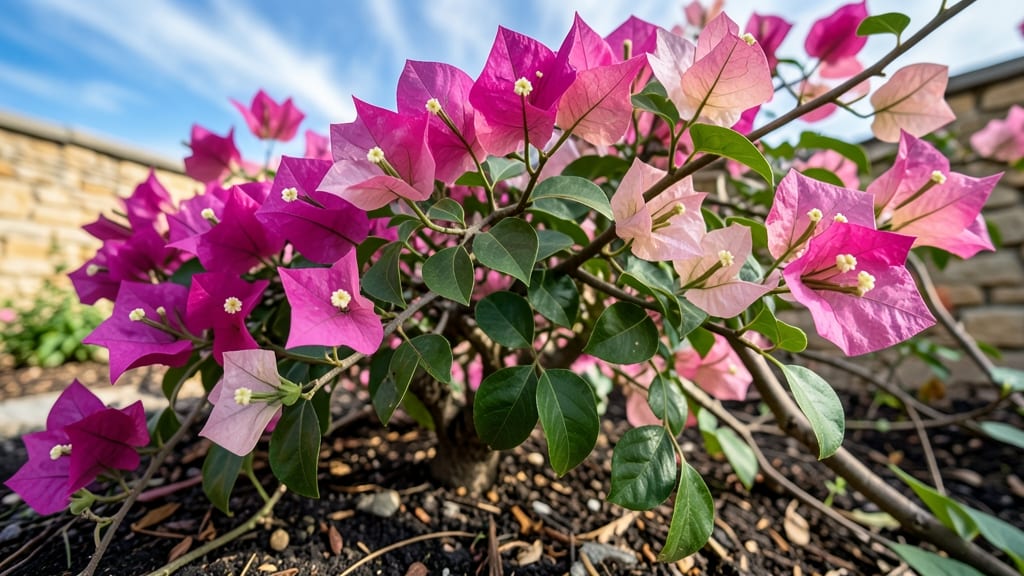
Florida’s bougainvillea tree loves the heat—and so will you once it’s planted. 🌿 This sun-hungry beauty thrives in our hot, dry climate, but getting it right means understanding Florida’s unique growing conditions, from our sandy soil to sudden cold snaps.
The secret to success starts with the right spot: full sun (six+ hours daily) and well-draining soil. Florida’s humidity and occasional pests also mean you’ll need to watch for scale insects and fungal issues, but with the right care, your bougainvillea will reward you with vibrant blooms year-round.
You’ll learn how to time your planting for Florida’s mild winters, when to prune for maximum growth, and how to protect it from rare freezes. The payoff? A drought-tolerant, low-maintenance tree that turns heads with its bold colors—no matter how intense the summer heat gets.
Whether you’re a first-time gardener or a seasoned pro, this guide covers everything from soil prep to frost prep, so your bougainvillea stays healthy and stunning all year.
📚 In This Guide
- What you need
- Instructions
- Tips and common mistakes
- Wrapping up and next steps
What you need
- ● Bougainvillea plant: Choose a healthy, Florida-adapted variety (e.g., Bougainvillea spectabilis or Bougainvillea glabra). Start with a 1-gallon container plant for quick results.
- ● Well-draining soil: 3-5 bags of cactus/succulent mix (or amend native Florida soil with 50% perlite or coarse sand to prevent root rot).
- ● Organic fertilizer: 7-7-7 or 8-3-9 NPK blend (e.g., Miracle-Gro Shake ‘n Feed or Espoma Garden-Tone) for flowering power.
- ● Mulch: 3-4 inches of pine bark or gravel to retain moisture and regulate soil temp.
- ● Garden trowel or shovel (for planting).
- ● Pruning shears (sterilized with rubbing alcohol).
- ● Garden gloves (thorns are sharp!).
- ● Watering can or hose with a gentle spray nozzle (bougainvilleas hate soggy roots!).
- ○ pH test kit (optional but helpful—ideal range: 6.0–7.0).
- ● Sunlight: Full sun (6+ hours/day). Florida’s intense rays? Perfect for bougainvillea!
- ● Hardiness zone: USDA Zones 9b–11. In colder Florida areas (e.g., North/Central), grow in containers for winter protection.
- ● Drainage: No standing water. Elevate pots or plant on a slope if needed.
- ● Patience: Bougainvilleas bloom best with consistent care—color peaks in 6–12 months.
Step-by-step instructions for growing bougainvillea in Florida’s climate
Here’s how to grow vibrant bougainvillea that thrives in Florida’s heat and drought—no fuss, just stunning blooms.
🪴 Step 1: Select the Right Location and Planting Spot
Bougainvillea craves full sun—at least 6-8 hours daily—so choose a spot with southern or western exposure. In Florida’s intense heat, partial shade during peak afternoon sun (12-3 PM) helps prevent leaf scorch, especially in younger plants. I always test the site by observing how much sun it gets over a week—if nearby plants wilt by midday, bougainvillea will too.
Dig a hole twice as wide as the root ball but no deeper. The top of the root ball should sit 1-2 inches above ground level—this prevents waterlogging, which bougainvillea hates. Amend the native soil with 3 inches of compost mixed into the bottom of the hole to improve drainage, since Florida’s clay-heavy soil can suffocate roots.
☀️ Step 2: Plant and Water for Initial Establishment
Gently remove the plant from its container and loosen any circling roots with your fingers. Place it in the hole, then backfill with the amended soil, pressing lightly to eliminate air pockets. Water deeply right after planting—1-2 gallons—to settle the soil and encourage root spread. The soil should feel moist 6 inches down, not just at the surface.
Mulch around the base with 2-3 inches of organic mulch (like pine bark or wood chips), keeping it 3 inches away from the trunk to prevent rot. This mimics Florida’s natural forest floor and retains moisture while keeping roots cool. Avoid inorganic mulches like rocks—they trap too much heat and can bake the roots.
💧 Step 3: Water Deeply but Infrequently
Bougainvillea is drought-tolerant once established, but young plants need consistent moisture for the first 6-8 weeks. Water every 3-5 days until new growth appears, then taper to once a week during dry spells. The key is deep watering—soak the soil until water drains 6 inches down, then let it dry out completely before watering again. You’ll know it’s right when the top 2 inches of soil feel dry to the touch.
Overwatering is the #1 killer—bougainvillea’s roots rot easily in soggy soil. If you’re unsure, stick a finger in the soil: if it’s damp past 1 inch, wait another day. In Florida’s rainy season, reduce watering entirely unless the soil stays bone-dry for a week.
✂️ Step 4: Prune for Shape and Encourage Blooms
Prune bougainvillea twice a year: once in late winter (before new growth starts) to shape the plant, and again after blooming to maintain size. Use clean, sharp pruners and cut just above a leaf node or bud—never leave stubs. I always prune back one-third of the plant in winter to encourage bushier growth and more vibrant blooms in spring.
Bougainvillea blooms on new wood, so avoid heavy pruning after summer. If you see leggy growth or bare stems, trim those back aggressively—the plant will respond with dense, flowering branches. Wear gloves: the thorns are sharp, and the sap can stain clothing.
🌿 Step 5: Fertilize for Vibrant Color and Growth
Feed bougainvillea every 6-8 weeks during the growing season (spring through fall) with a balanced, slow-release fertilizer (like 10-10-10). I use ½ cup per plant mixed into the soil around the drip line, not the trunk. Too much nitrogen makes leaves lush but blooms sparse—bougainvillea prioritizes flowers over foliage, so skip high-nitrogen fertilizers.
In Florida’s heat, fertilize early in the morning to avoid burning roots. Stop fertilizing in late summer to let the plant harden off before cooler weather. Yellowing leaves? You’re overdoing it—flush the soil with water and cut back to every 12 weeks until spring.
Tips & tricks for perfect bougainvillea growth in Florida's climate
Here’s how to avoid common pitfalls and get the most vibrant blooms from your bougainvillea—Florida’s heat is actually its best friend when you know the tricks.
Sunlight Strategy: While bougainvillea loves those 6-8 hours of full sun, Florida’s afternoon heat can be brutal. I’ve found that positioning your plant where it gets morning sun and afternoon shade (after 2 PM) prevents leaf scorch while still fueling those stunning blooms. If you’re unsure about sunlight exposure, observe your yard—if nearby plants wilt by midday, bougainvillea will too.
Soil Prep Secret: Florida’s clay-heavy soil is bougainvillea’s worst enemy if not amended properly. That 3 inches of compost mixed into the planting hole isn’t just about drainage—it also introduces beneficial microbes that help roots establish faster. I like to add a handful of perlite to the mix for extra aeration, especially in heavy clay areas. The goal is soil that drains like a well-worn hiking trail, not a swamp.
Watering Wisdom: The 6 inches deep watering rule is non-negotiable, but here’s the real trick: use a moisture meter or your finger to check soil moisture. If the top 2 inches feel dry but 1 inch down is still damp, wait another day. I’ve seen too many bougainvilleas drown in Florida’s humidity—overwatering is the silent killer that even experienced gardeners fall for.
Pruning Payoff: That one-third winter prune isn’t just about shaping—it’s about forcing the plant to produce new wood, which is where all those vibrant blooms come from. I always prune just above a leaf node or bud, making the cut at a 45-degree angle to prevent water from pooling. And here’s a bonus: save those pruned branches in water for a few days—they’ll often root and give you free new plants!
Pro Tips for Bougainvillea Tree Florida
- Here’s how to avoid common pitfalls and get the most vibrant blooms from your bougainvillea—Florida’s heat is actually its best friend when you know the tricks.
- Sunlight Strategy: While bougainvillea loves those 6-8 hours of full sun, Florida’s afternoon heat can be brutal.
- Soil Prep Secret: Florida’s clay-heavy soil is bougainvillea’s worst enemy if not amended properly.
Frequently asked questions
Got questions about growing bougainvillea trees in Florida? You’re not alone! Here are answers to the most common ones—so you can cultivate vibrant blooms with confidence.
Can bougainvillea survive Florida’s heat and humidity?
Bougainvillea thrives in Florida’s tropical climate, thanks to its drought tolerance and love for full sun. Just ensure it gets at least 6–8 hours of sunlight daily and well-draining soil to avoid root rot. Mulching helps retain moisture during scorching summers.
How long does it take for bougainvillea to bloom in Florida?
With ideal conditions, you can see first blooms within 6–12 months after planting. For faster results, prune in early spring to encourage new growth. Pro tip: Fertilize lightly with a low-nitrogen, high-phosphorus blend (like 5-10-10) to boost flowering.
What’s the best time to plant bougainvillea in Florida?
Plant in late winter or early spring (Feb–March) to avoid extreme summer heat or winter cold snaps. If planting in summer, water deeply and shade young plants for the first few weeks to reduce stress.
Are there any invasive concerns with bougainvillea in Florida?
Bougainvillea is not classified as invasive in Florida, but it can spread aggressively if left unchecked. Prune regularly to control size, and avoid planting near sensitive ecosystems. Note: It’s illegal in some counties (e.g., Miami-Dade) due to its potential to disrupt native habitats—check local regulations!
What pests or diseases should I watch for in Florida bougainvillea?
Common issues include:
- Scale insects: Wipe leaves with soapy water or use horticultural oil.
- Mealybugs: Spray with neem oil or introduce ladybugs.
- Root rot: Improve drainage and avoid overwatering.
Yellowing leaves often signal overwatering or nutrient deficiency—adjust care accordingly.
Can I grow bougainvillea in containers in Florida?
Yes! Use a large pot (15+ gallons) with drainage holes and a cactus/succulent mix. Move containers indoors during freezes (below 30°F) or use frost cloth. Dwarf varieties like ‘San Diego Red’ are great for patios.
Wrapping up and next steps
Growing a bougainvillea tree in Florida is a rewarding way to add vibrant color and drought-resistant beauty to your landscape! 🌺 With the right sun exposure, well-draining soil, and minimal care, this tropical stunner will thrive year-round—even through Florida’s scorching summers.
Whether you’re a seasoned gardener or a beginner, its adaptability makes it a perfect choice for your yard.
Ready to bring this stunning plant to life? Start by selecting the perfect spot in your garden, gather your supplies, and follow the steps outlined above.
Before you know it, you’ll be enjoying a burst of pink, purple, or orange blooms that turn heads—and maybe even inspire your neighbors to plant one too! 🌿